Radioligand therapy (RLT) has been a breakthrough, practice-changing therapy in prostate cancer. While it has improved outcomes, Novartis continues to work toward even better solutions for patients with metastatic disease.
That’s why Novartis is building a deep, diverse prostate cancer portfolio. Across Novartis R&D, teams are building on the success and lessons of RLT to advance new technologies, tackle cancer drug resistance (a challenge across cancer treatments), and design new therapies with the goal of improving the future of care.
The impact of RLT and the future of care
Radioligand therapy is now approved in numerous countries and is a strong addition to the fight against prostate cancer.
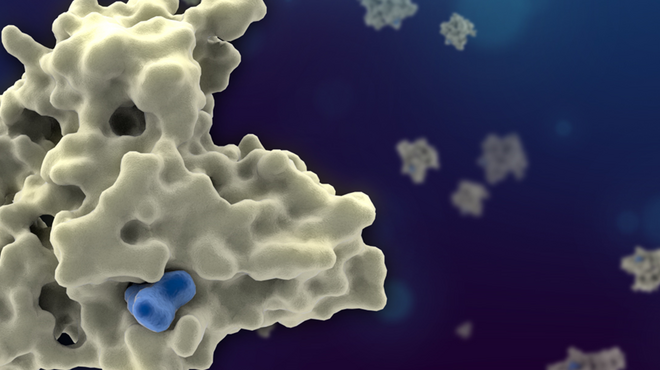
RLT consists of a cancer-targeting molecule linked to a radioactive payload, designed to deliver radiation directly to tumor cells while minimizing damage to nearby healthy tissue. It has demonstrated clinical benefit for men with metastatic prostate cancer, yet even with recent advances, the disease remains one of the leading causes of cancer-related death in men worldwide.
Key frontiers in addressing unmet needs include:
Earlier-stage disease. Novartis is investigating whether RLT could be effective in earlier lines of treatment where there could be greater potential to impact the trajectory of the disease. Hormonal therapy and chemotherapy remain important cornerstones of care, and expanding the treatment arsenal could provide additional options for patients with different needs. Many patients and healthcare providers prefer to avoid or delay chemotherapy, and targeted approaches could offer more flexibility to those seeking treatment options.
“RLT has changed the treatment landscape in prostate cancer, but it’s absolutely paramount that we continue to try to move the needle—to try to intervene earlier and potentially improve outcomes for more patients,” says Monica Giovannini, Novartis Clinical Development Head for Oncology & Hematology.
- Durability. Advanced prostate cancer is a moving target: tumors evolve during treatment, and scientists are still working to understand differences in drug response and how resistance emerges, as well as to anticipate changes in the tumor environment and better match treatments to patients.
It’s absolutely paramount that we continue to try to move the needle—to try to intervene earlier and potentially improve outcomes for more patients.
- Monica Giovannini, Novartis Clinical Development Head for Oncology & Hematology
A strategy for what comes next
Prostate cancer biology is complex and dynamic. Patients often move through multiple lines of therapy, with highly variable responses. Because the disease can adapt to resist treatment, there’s a persistent need to improve existing approaches or develop medicines with novel mechanisms that could help patients when the current standard of care isn’t enough.
To meet these challenges, Novartis is leveraging broad technological expertise to develop the next wave of prostate cancer therapies. Researchers across R&D have established a robust pipeline that expands on and complements work in RLT. They’re investigating:
- Different radioactive isotopes. RLT isn’t just one technology, it’s a platform with scalable tools and capabilities that can power multiple medicines across tumor types. Different isotopes can emit different types of radioactive particles. Alpha particles (such as from actinium) deliver concentrated energy over shorter distances; beta particles (such as from lutetium) are able to pass through tissue more easily while emitting less ionizing radiation, allowing for broader tumor coverage. Novartis is exploring how leveraging different isotopes could help circumvent potential resistance and drive more complete and lasting responses.
- Radiosensitizers. Many cancer cells have effective DNA repair mechanisms. When combined with cancer therapy, radiosensitizers may make tumor cells more susceptible to radiation and less able to repair themselves, potentially improving treatment response while making the cancer less likely to return.
- Approaches beyond RLT. Experts from across Novartis technology platforms are exploring additional approaches to be used on their own or in combination with RLTs to address drug resistance and remaining unmet needs in prostate cancer. Our R&D teams for instance are exploring targeted protein degradation as a method for eliminating the androgen receptors driving the disease, and teams are exploring epigenetic modulation to influence the expression of genes involved in cancer cell proliferation.
“Our ambition at Novartis is big and is aligned with my mission as an oncologist,” Giovannini says. “We want to help as many patients as we can by bringing the best innovations forward and to be smart and precise in how we use the therapeutic options in our portfolio to address the remaining unmet needs of prostate cancer patients.”
Delivering more and better choices for patients
For patients, the concept of a “pipeline” can sound abstract, but what it potentially means is “options.” By leveraging the vast technological expertise at Novartis, our Oncology team has built a strategy to attack cancer with multiple medicines and combinations, with the goal of potentially:
- Reaching patients earlier, when disease burden may be lower and the chance to preserve quality of life may be higher
- Providing new options that could offer flexibility in sequencing therapies to help personalize care for individual patient needs
- Addressing resistant or refractory cancers for patients whose disease progresses or returns despite treatment
While prostate cancer care has improved outcomes substantially over the past two decades, the job isn’t finished. The focus now is to keep pushing toward earlier intervention, deeper responses, and longer-lasting, well-tolerated therapies. Keeping patient benefit front-and-center, Novartis will continue to work with treatment providers and partners to turn the next scientific ideas into transformative therapeutic possibilities.