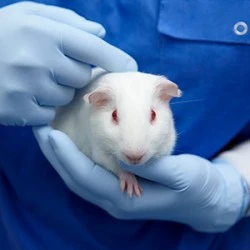
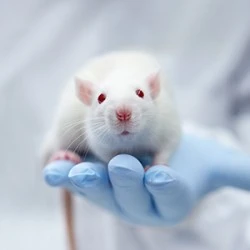
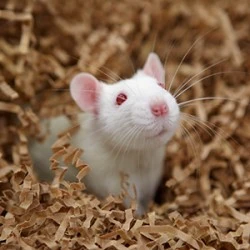
Animal research is key to many of the great medical advances of today, including cancer treatments; medicines to treat neurological diseases such as multiple sclerosis, medicines for diseases that have high morbidity and mortality rates around the world like high blood pressure, diabetes, malaria and much more.
In addition, animal research is important for the development of new treatments such as radioligand, and cell and gene therapies.
Novartis fully supports the replacement of animals with non-animal alternatives wherever feasible, while meeting our obligations to patients and the expectations of regulatory agencies. More information about the Novartis position on animal research is provided in our position statement:
The welfare of animals in Novartis studies is a primary concern to us for reasons of ethics, accuracy, reliability and applicability of scientific studies. Good animal welfare is a prerequisite for good science.
We have a Global Animal Welfare Policy and a set of Animal Welfare Standards that define key principles, responsibilities and explicit requirements governing animal research. All Novartis sponsored studies, whether conducted internally or externally, must adhere to this policy and set of standards.
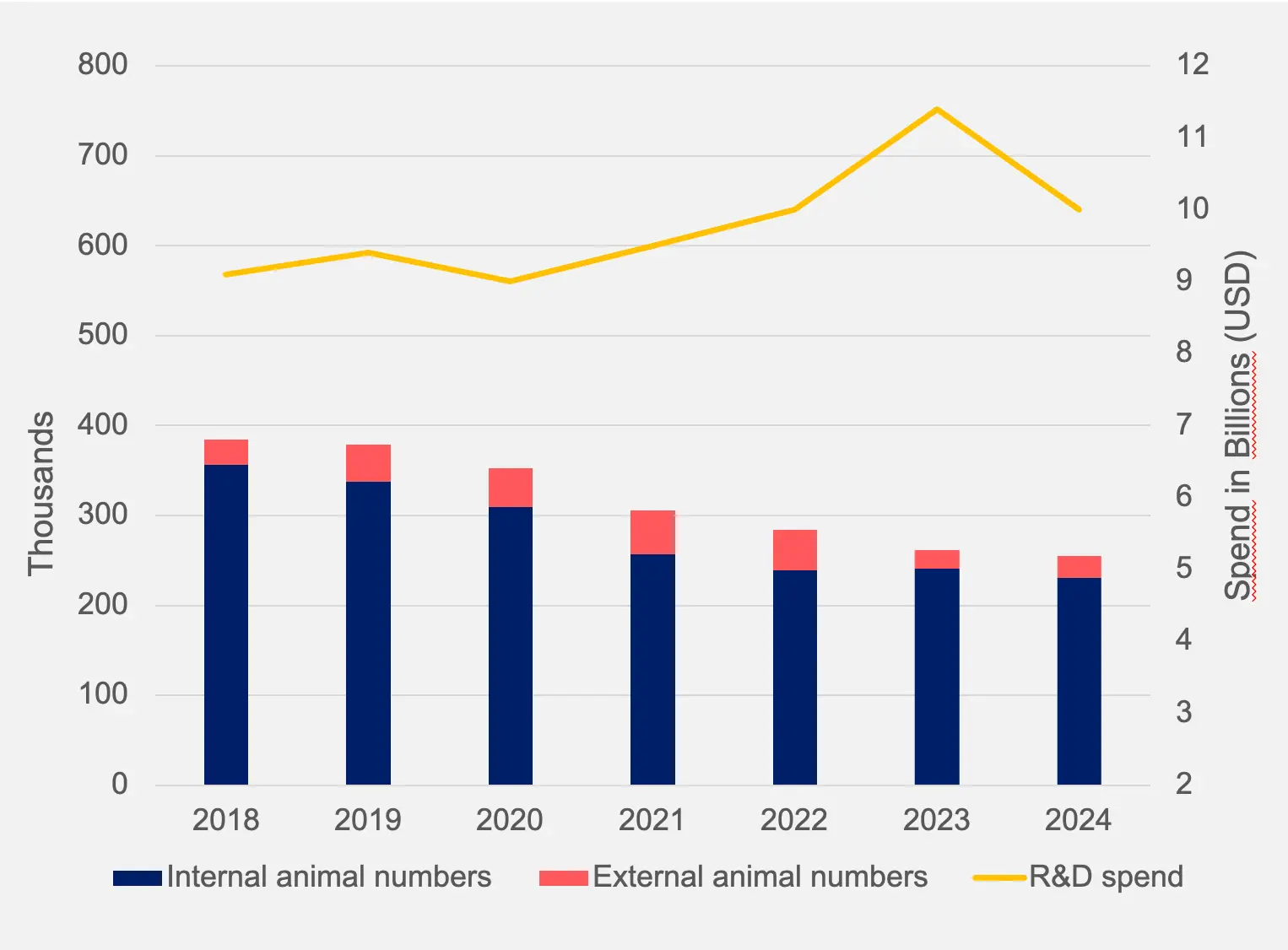
We transparently report the number of animals needed for research and development at Novartis each year. The numbers of animals needed to support research at our own sites is reported in the ESG Data Summary, available in the Reporting and transparency hub.
Our Commitments to Animal Welfare
Promote high standards of animal welfare.
All individuals working with animals are trained to ensure proper care and handling.
Actively advance the 3Rs Principles (Reduce, Refine, Replace).
Ensure animals needed for research are treated and cared for respectfully.
Special attention is given to species-specific needs.
Any discomfort, distress, or pain is minimized in accordance with current veterinary practices.
Number of animals needed vs Research and Development spend
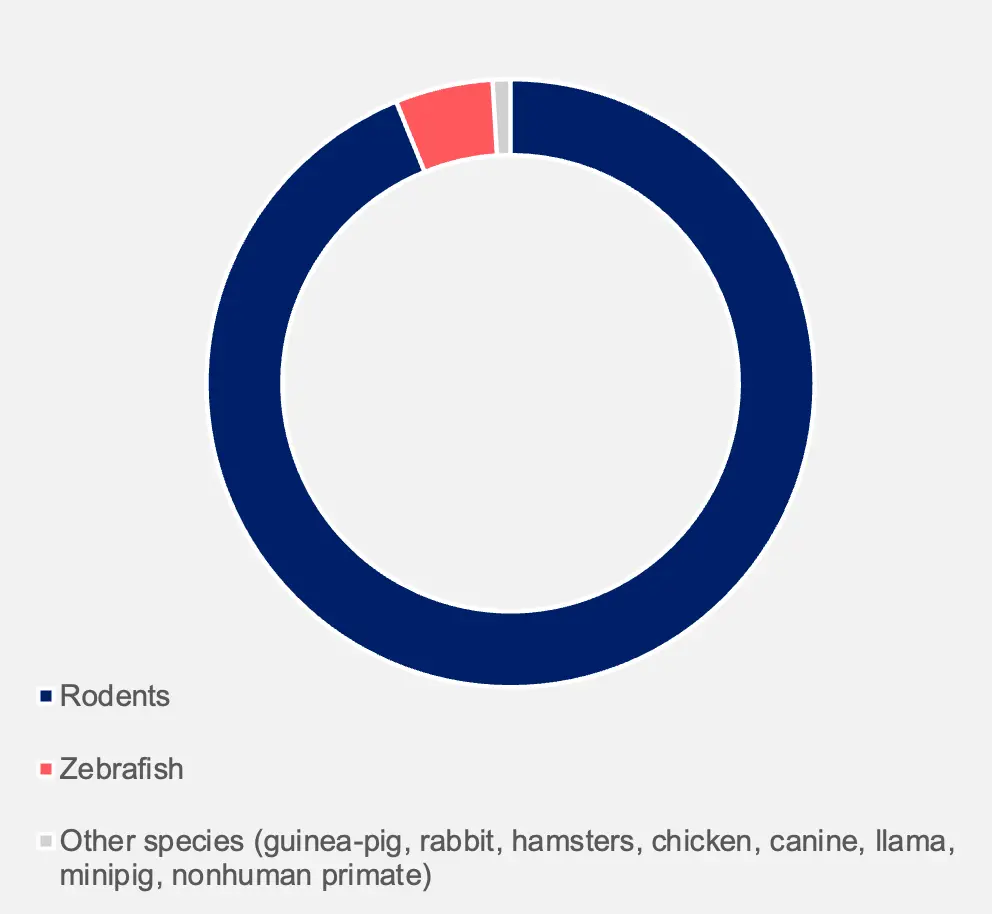
Animals needed by species in 2024
(Proportion of total animals needed by species)
Did you know?
Animal research is still necessary to discover and develop innovative, safe and life-saving medicines for patients.
Discovery and development
Because of animal studies, organ transplantation, antibiotics, artificial heart valves, and now personalized medicine have all been made possible. Once prevalent diseases, like polio and small pox are now rare or eradicated through the development of effective vaccines using animal research.
Until recently, patients suffering from some acute lymphoblastic leukemias had very few effective treatment options. But through study of mice with humanized immune systems, a revolutionary new type of therapy, CAR-T, is now available and is saving lives.
Regulatory Requirements
The health and welfare of our patients is the top priority for Novartis and regulatory authorities around the world. In most cases animal studies are required to prove that our medicines are safe and effective for patients.
AAALAC International Accreditation
All Novartis Biomedical Research in-vivo research sites earned independent, voluntary, international gold-standard accreditation from the Association for Assessment and Accreditation of Laboratory Animal Care (AAALAC international), underscoring our commitment to achieving the highest standards in responsible research with animals. AAALAC international is an independent, non-profit organization that promotes the humane treatment of animals in science with the aid of voluntary evaluation and accreditation programs.
Our commitment to the 3Rs
Novartis is committed to the 3Rs principles (Reduction, Refinement, Replacement) and is driving innovation and efforts to advance the 3Rs both internally and in collaboration with external organizations.
Reduction - Improve existing methods so fewer animals are required.
Refinement - Refine studies so animals experience as little stress and as much comfort as possible.
Replacement - Develop & implement alternatives to replace animals in research wherever possible.
Further “R” awards:
Responsibility – the award for our 4th R was launched in 2022 to acknowledge colleagues that work outside of the in-vivo community and have gone above and beyond to support animal welfare.
The Novartis Exemplary Award was launched in 2018 to recognize employees who have contributed outstanding and continuous efforts to implement the 3Rs.
Innovation in 3Rs
In 2022 we launched our Innovation in 3Rs granting program. The purpose of this program is to inspire and support Novartis scientists to reimagine how they conduct their research by granting the resources they need to innovate and validate new ways to Replace, Reduce, and Refine animal studies. This program complements the 3Rs Awards, which retrospectively recognizes and celebrates recently achieved 3Rs advancements. The Innovation in the 3Rs grant program selects and prospectively supports novel research projects in order to further strengthen the implementation of the 3Rs.
Newly funded 3Rs Innovation research projects in 2026 are exploring how wearable technology can improve rats welfare in cardiovascular studies, how voluntary dosing with tasty treats can reduce stress in rodents, whether a new animal alternative test can be used for assessing drug induced liver injury, if an AI model using in vitro markers and transcriptomic signatures can accurately predict genotoxicity, and whether an in-silico model can be used replace traditional skin sensitization testing.
Replacement of animals with non-animal alternatives
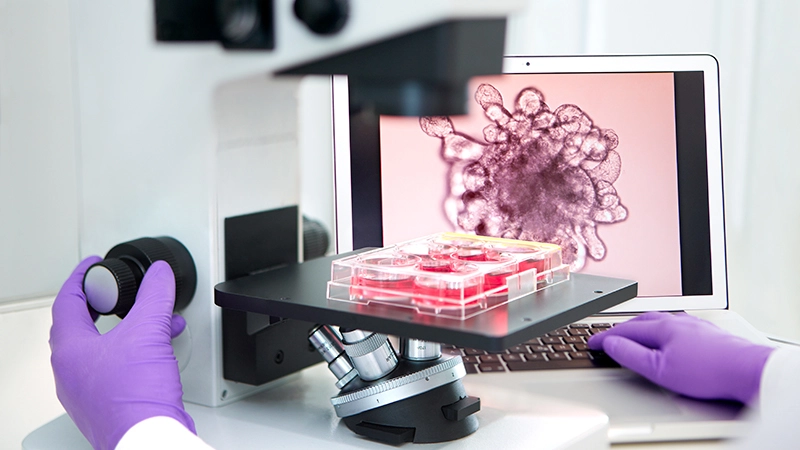
Novartis fully supports the replacement of animals with non-animal alternatives wherever feasible, while meeting our obligations to patients and the expectations of regulatory agencies. In fact, Novartis has made great strides in adopting and even creating advancements in non-animal methods for drug discovery and development from computer and cell-based culture to organoids and organ-on-a-chip technology. For example, robust in vitro models aided prioritization of 2/30 compounds that subsequently demonstrated in vivo Chagas efficacy, thus reducing the number of mouse studies for Chagas disease as well as potentially other diseases in the future, and human intestinal organoids are being explored for characterizing pharmacokinetic properties of new compounds.
Tissue cell culture is one of many non-animal alternatives utilized at Novartis.
Despite these advancements, there are still many areas where better understanding of disease mechanisms cannot be achieved without animals. The knowledge acquired through such studies is essential for the development of innovative treatments for unmet medical needs.
Reduction and Refinement
In addition to Novartis dedication to replace animals with non-animal alternatives whenever possible, our scientists and animal care experts lead efforts in developing new and innovative ways to leverage data, statistics, and study design to significantly reduce the number of animals needed for study and improve the animals’ experience on study.
Examples of 3Rs advancements at Novartis
Since 2007, Novartis has recognized significant advancements in the 3Rs through annual local and global 3Rs Awards which are evaluated for:
their impact on numbers of animals required for study
optimizing the animals well-being
replacement by species further down the phylogenetic tree
replacement of procedures involving animals entirely
Reduction
The implementation of longitudinal Computerized Tomography (CT) monitoring enabled an 88% reduction in the number of animals otherwise needed and improved the accuracy in a tumor study.
The reduction of the number of animals needed for studying kidney and cyst volumes using AI assisted assessment of MRI images.
The 10-fold reduction in the number of animals needed for an ophthalmology study via adoption of a novel study design.
Refinement
The use of machine deep learning (DL) approaches for magnetic resonance image (MRI) analysis resulted in significantly reduced imaging times and thereby significantly shortened the length of anesthesia required.
The adoption of a non-invasive alternative technique for genotyping transgenic fish.
Use of a new artificial intelligence approach for automated image analysis strengthened reproducibility and eliminated the need for repeat experiments.
Replacement
A new in-vitro system using white blood cells from human whole blood replaced the need for a mouse model of gout.
The replacement of mice in a rheumatoid arthritis study through use of a novel human cell-based in-vitro tests.
The replacement of animals in drug metabolite synthesis using novel chemical and biochemical techniques that replace animal-derived enzymes with sustainable, animal-free alternatives.
Unique Animal Welfare and 3Rs Roles
We have a specialty-trained veterinarian to liaise between internal scientists and those conducting sponsored animal studies at external partner sites. This role facilitates greater implementation of the 3R principles, and enhances the level of ethical oversight before, during and after animal studies conducted by third parties. Further, our team of animal welfare experts prospectively and continually audit third parties.
We have an animal welfare, Ph.D.-trained, 3R Scientist role to further strengthen our culture of ethical science at Novartis and to help advance the reduction, replacement and refinement of animal studies.
Emerging technologies
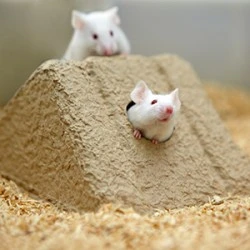
Digital home-cage monitoring solutions enable scientists to study rodents within their natural living environment, significantly reducing stress associated with handling and eliminating the need to disturb animals during rest periods. These innovations are accelerating the development of more precise and effective medicines.
By enabling mice to express natural behaviors, within their home environment, digital home-cage systems deliver continuous, noninvasive measurement of key physiological and behavioral metrics, including activity, rest, and temperature.
Training and outreach
Training is provided to all associates responsible for internally and externally conducted animal research in order to ensure consistent high standards of animal welfare. In addition, special educational events and advanced training are offered throughout the year to help associates stay current with best practices.
Novartis celebrated our seventh annual Biomedical Research Awareness Day (BRAD) in 2025. BRAD was launched in 2016 by Americans for Medical Progress (AMP) in the US and is now celebrated globally. On this day we raise awareness about the continued need for and critical contributions of animals to the development of new medications and therapies for patients. Novartis celebrated BRAD globally with numerous presentations about refinements, new technologies to improve animal welfare, as well as recognizing 3Rs advancements achieved by our annual Local and Global 3Rs Award Winners and new 3Rs Innovation Grant Award winners.
Novartis is a signatory of the Swiss Transparency Agreement on Animal Research (STAAR): Swiss Transparency Agreement on Animal Research (STAAR). This agreement aspires to improve communication and transparency regarding the continued value and need for animals in research.
Novartis is also a signatory of the Marseille Declaration (PDF 0.8 MB), the first joint pharmaceutical industry declaration of support for high standards of animal welfare.
Art Challenge
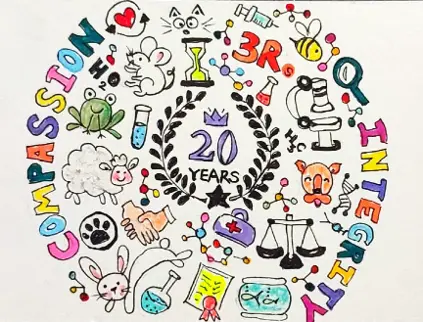
The theme for our 2025 BRAD celebration was “Going Platinum” to celebrate the 20th Anniversary of establishing a formal Animal Welfare program at Novartis. We invited associates to express their creative self by proposing an artistic interpretation of what honoring two decades of compassion, science, and integrity might look like.
Annual art challenge submissions have ranged from poetry, charcoal drawings, and graphic illustrations to needle point embroidery and wood cutting.
This is the winner of our 2025 Art Challenge.
The artist titled this work “Platinum Path: 20 Years of Integrity in Animal Welfare”
External resources
Together, with external organizations, such as the Swiss 3R Competence Center, we are working to evolve the field to find alternatives to animal research, reduce the number of animals needed for research, and improve animal welfare. We also partner with organizations that help share the impact of these advancements.