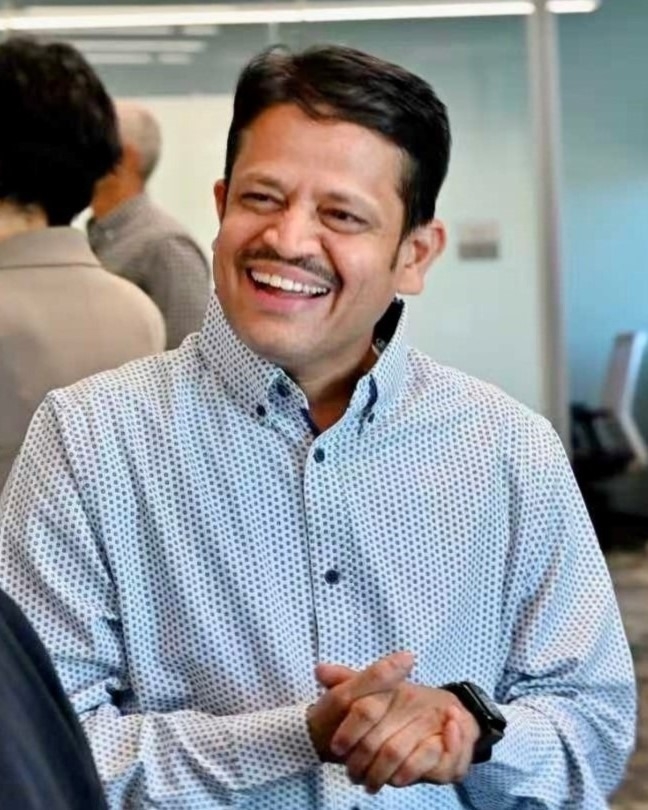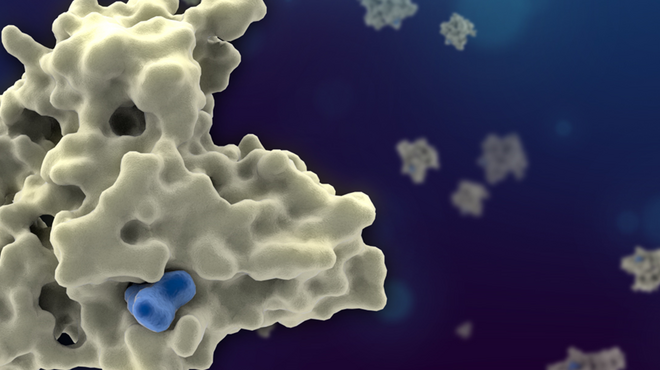
Manjunatha (“Manju”) Ujjini aims to discover medicines for the world’s most underserved patients.
Trained as a microbiologist, he joined Novartis nearly two decades ago and has worked across tuberculosis (TB), malaria, dengue, and other high‑burden diseases. Today, he leads a Global Health drug discovery team that turns early scientific ideas into potential new medicines, partnering across biology, chemistry, and technology to move faster from lab to clinic.
As Novartis’ Global Health team enters a new era, with a string of recent successes in malaria over the last year and a move to a centralized, west coast Biomedical Research center on the horizon, we asked Manju to share his thoughts on the opportunities ahead.
Can you tell us about your career journey?
I joined Novartis almost nineteen years ago as a scientist working on TB, then expanded into malaria and dengue.
That's where I had an opportunity to start an early research program in a new indication for Novartis called cryptosporidiosis, a parasitic diarrheal disease that predominantly affects young children in low- and middle-income countries (LMICs).
After we moved our operations from Singapore to the US west coast, I was able to expand my role not just into one new disease area, but all of our Global Health research areas as the Head of the team’s Lead Discovery group, driving early discovery all the way from assay development, to screening, to preclinical drug candidate development.
How has Global Health research changed during your time at Novartis?
It’s become much more impact‑driven during my career. What started as an early drug discovery-focused effort at Novartis has evolved into an integrated, patient-centric, innovative organization designed to deliver breakthrough treatments. We’re now operating with a clear strategic focus not only on research but also on clinical development, patient impact, and access.
Overall, this transformation has been incredibly rewarding. It has broken down disease area silos in our teams and has provided flexibility to address more unmet global health needs.
Seeing that entire journey—when a molecule you make in the labs shows potential in patients in a clinical trial—that’s definitely been meaningful for us.