What’s kept me at Novartis for more than a decade? It comes back to one thing - impact.
As Chief Data and Digital Officer, I’m driven by the idea that data science and AI can help us understand disease with a fresh perspective, accelerate drug discovery and ultimately bring better medicines to patients faster. For me, technology is never the purpose on its own. It’s a way to ask better questions; see patterns we couldn’t see before and give us new tools to expand what science can achieve.
That sense of possibility became very real to me in 2016, when an AI system defeated one of the world’s best players at 'Go' - an ancient strategy game of extraordinary complexity with what is now known as “move 37”. The AI model made a move that was estimated to have just a 1-in-10,000 chance of being played by a human. It was a defining moment because it showed that intelligent technologies could do more than process information; they could open up approaches humans hadn’t considered yet.
I remember thinking: if AI can do that in a game as complex as Go, what could it help us innovate in the field of drug discovery?
That question led me to develop what became Data42 within Biomedical Research: a bold idea to bring together data from across Novartis clinical trials and use it to generate new insights across diseases, patients and treatments. At the beginning, we were building the foundations. We were cleaning data. We didn’t have immediate impact to show. But Novartis had the willingness and stamina to invest in something that was at the edge of what was possible.
This showed me that Novartis takes “reimagining medicine” seriously. It’s a place where, if you have a strong scientific case and the courage to explore the unknown, there is a real willingness to go there. Today, I’m proud to say that Data42 underpins our growing ecosystem of AI-driven research. By connecting clinical, molecular, preclinical and biology data, it enables us to tackle scientific questions across domains and uncover insights that might otherwise remain hidden.
"Technology is never the purpose on its own. It’s a way to ask better questions, see patterns we couldn’t see before and give us new tools to expand what science can achieve."
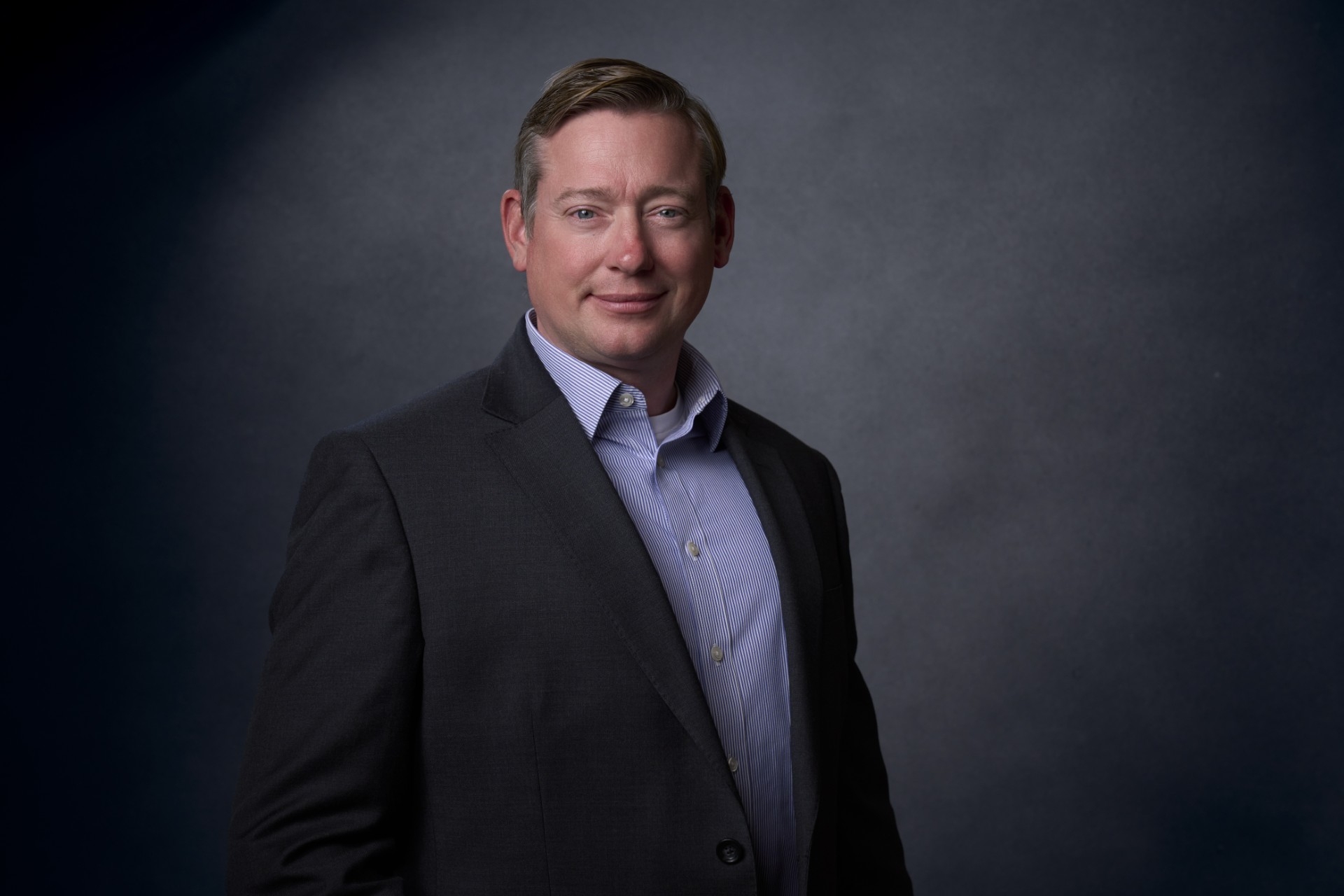
- Christian Diehl, Chief Data & Digital Officer, Novartis Biomedical Research
Building what others cannot simply buy
Lots of companies can buy a technology. Everybody can license an AI model. That alone is not what creates differentiation. What matters is the combination of the question you are trying to answer, the quality and scale of the data you can bring to it, and the culture around how people use it. Here, we have something distinctive: deep scientific expertise, world-class research, and access to data built over many years of discovery and development. That creates career growth and the chance to build range, stretch scientifically, and work on problems few organisations can tackle.
For our people working in Biomedical Research, this means your work is not isolated to analytics. You are part of shaping how science evolves. You are helping to decide how we ask scientific questions, how we connect evidence, how we design experiments, and how we create better paths toward medicines for patients.
That’s what makes this field so exciting at Novartis. AI and data science are not add-ons to the strategy. They are an integral part of how we are reimagining research.
The talent shaping the future of science
The people who thrive in this space are naturally curious. They experiment, keep learning, they work across disciplines and challenge established ways of working.
For a long time, the worlds of the wet lab, informatics, advanced analytics and medicine were often separate. The people working in them might meet over lunch, but they were not always truly connected. Now those worlds are converging. A lab scientist who understands AI can uncover new ways to interpret data. A clinician with analytics expertise can translate patient insights into scientific questions. A data scientist who understands biology can build models grounded in real scientific context.
I often call these individuals "unicorns" because they bridge worlds that once sat apart. They connect science, technology and purpose, helping us to develop new approaches, from lab-in-the-loop experimentation to translational AI that spans the research and development journey. That's why mindset matters as much as expertise. In a rapidly evolving environment, curiosity isn't just valuable - it's essential.
Novartis has fostered my curiosity all this time and my motivation remains deeply human. We are here to do meaningful work: to help patients live longer, better lives, and to give patients and their families more possibilities than they may have today.
That is a mission worth working on. And for individuals who want to use AI-enabled tools, data science and technology to shape the future of medicine, I believe Novartis is one of the most exciting places to do it.