For Arti, Giselle and Maria their desire for purpose began with a moment that changed everything and grew into something powerfully global.
Each of them brings a different perspective. Each of them shapes impact in their own way. And all three are united by a belief that when science, purpose and compassion come together, extraordinary things happen.
Giselle is leading with empathy in Mexico City
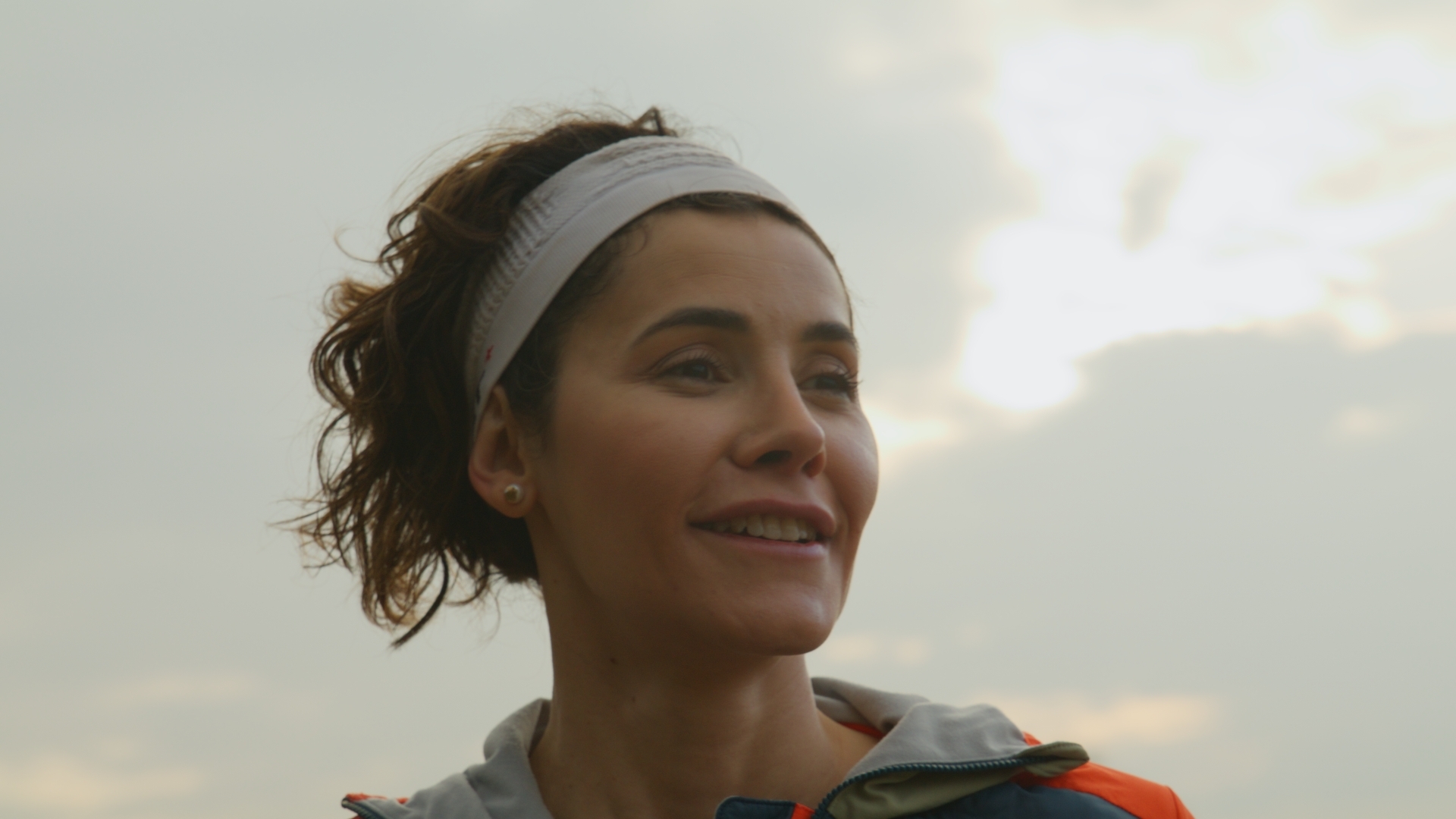
I have felt like giving up more times than I can count.
Giselle, Neuroscience Medical Lead, Mexico
Giselle says this without hesitation because she knows what it takes to push through when it's hard. A committed triathlete, she understands that becoming great isn't a solo journey. You need people. But it's her cycling coach who taught her the most profound lesson of all. Her coach has multiple sclerosis. And she still trains people.
Watching someone manage a chronic disease while refusing to let it stop them from pursuing their passion changed something in Giselle. It became more than inspiration. It became her purpose. "I see parallels between training for a race and working at Novartis. You need people, the way we collaborate, how we understand, and how we help each other. We need all of us together to keep going to do this great marathon of life."
I feel like everything I'm doing here at Novartis is even more meaningful because of people like her.
Giselle, Neuroscience Medical Lead, Mexico
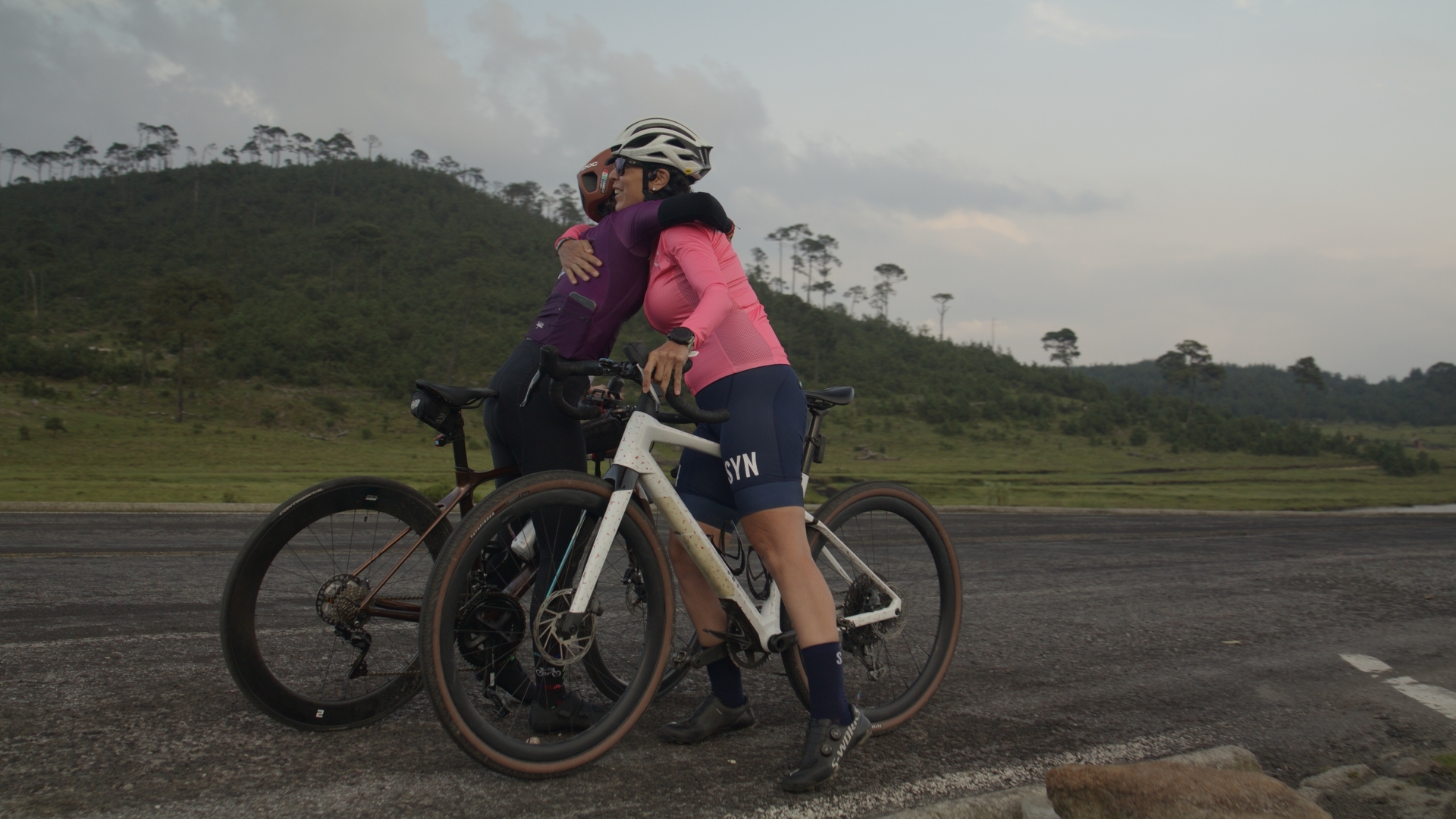
Now as Neuroscience Medical Head at Novartis Mexico, Giselle has found a place where her personal purpose and professional purpose align. At the heart of her strategy is health equity: building a world where people like her coach can still thrive.
Maria is tackling a silent epidemic in Bolivia
Like Giselle, Maria's story starts close to home and unfolds in communities where a disease most of the world has forgotten continues to devastate lives.
The disease is called Chagas. Spread by insects called "kissing bugs" that appear at night, it attacks silently. A small itch. A parasite in your bloodstream. Then decades of no symptoms, until the disease comes back "with such a violent force." "It's like being in a jail," Maria explains.
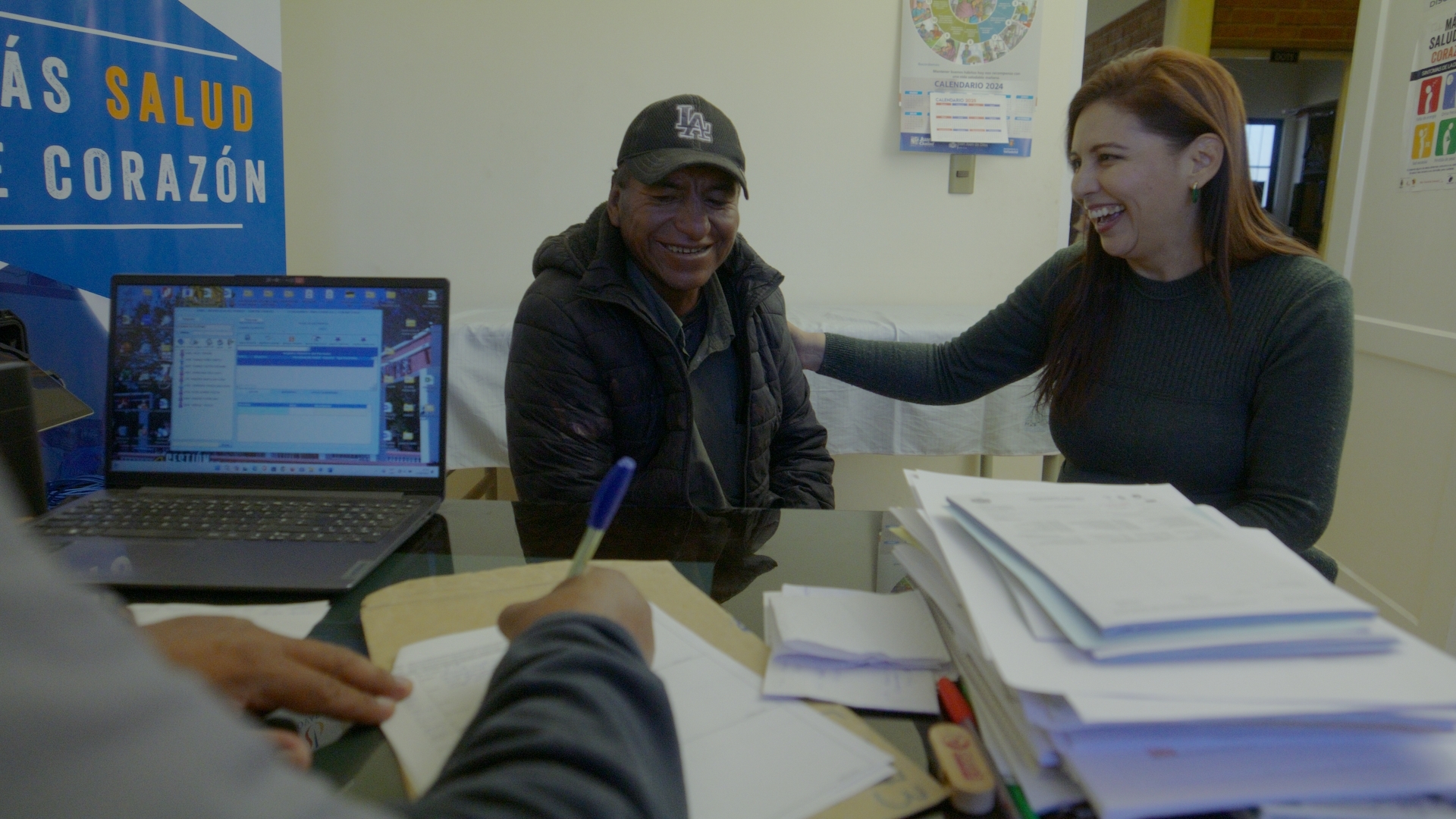
They don't have the energy to dream or plan for a better life because they feel so bad that they just survive.
Maria Teressa, Public Health Project Lead, Bolivia
For Maria, this isn't an abstract health crisis. It's her mother's story. "My mum was very sporty, very lively." After her Chagas diagnosis, Maria watched helplessly as that vitality faded. "It was like watching a candle fade away in the wind."
Today, Maria leads a project in Bolivia (the worldwide epicenter for Chagas) that's tackling a neglected disease in a way that makes patients feel "understood, valued, seen, and worthwhile." She's become the link between state-of-the-art science at Novartis and real-life patients in vulnerable communities.
Because of my family story, this work brings purpose to my life.
Maria Teressa, Public Health Project Lead, Bolivia
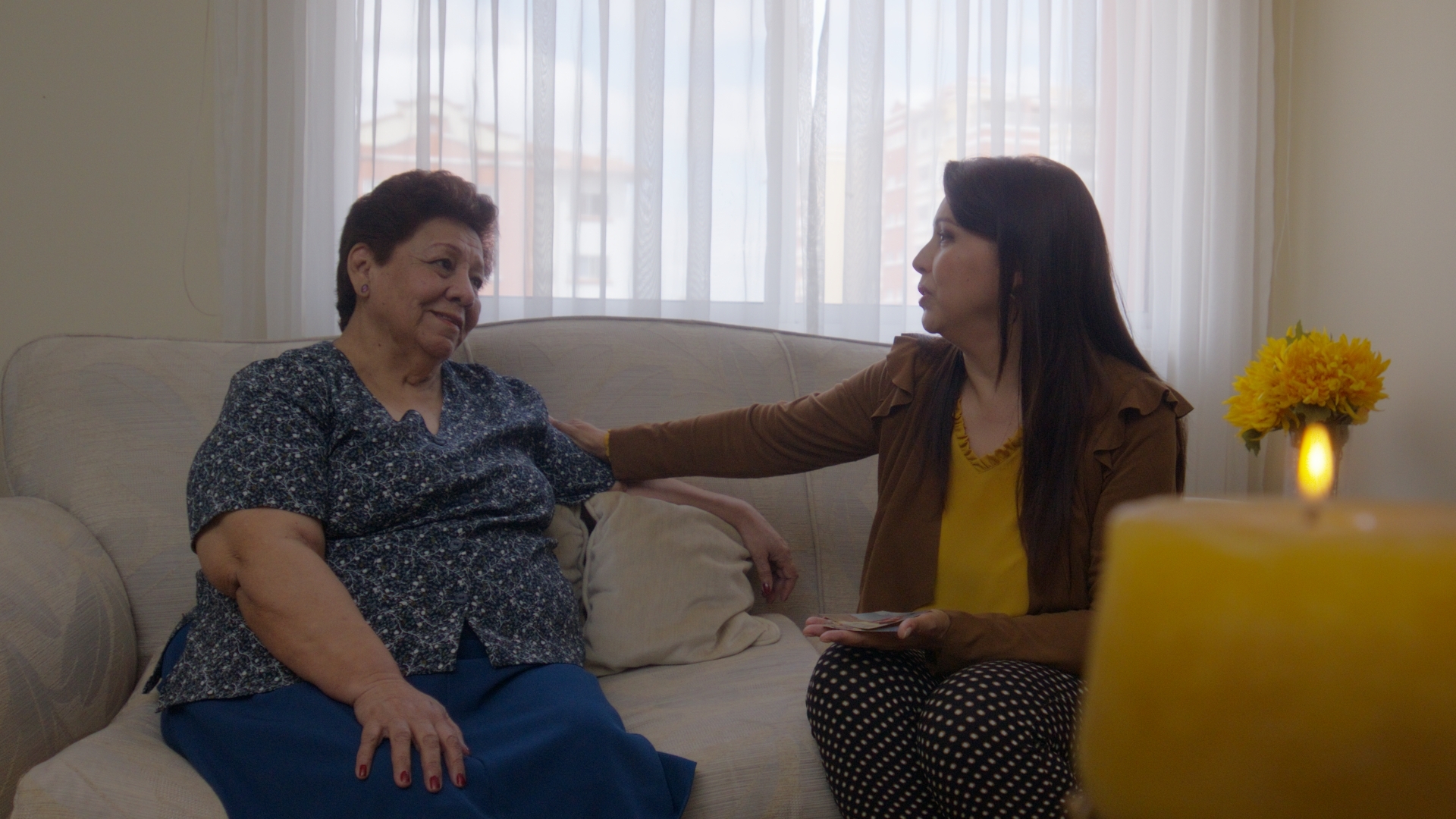
"I consider it a real privilege," she says. Because this isn't just work. It's honoring her mother by ensuring other families don't have to watch their loved ones fade away.
Arti is turning childhood curiosity into life-changing science
For Arti, the turning point came not from watching someone else's journey, but from her own. Experiences she could never forget. Moments that redirected the course of her entire life. Growing up on a farm in southern Africa, Arti spent countless nights during power outages outside with her father, gazing up at "incredible stars and constellations in our Milky Way." Those moments sparked her curiosity about the world and everything in it. But it was illness that turned wonder into purpose.
At a young age, Arti contracted Malaria. At the family doctor, she'd look through a microscope and watch her own red blood cells burst open as the parasite attacked them. It was fascinating. And it planted a seed.
This really fuelled my curiosity to understand mechanisms of human diseases.
Arti, Principal Scientist, US
She was lucky. She had access to malaria medications that saved her life. And there, on the medicine box, she saw a logo: Novartis. It was a small image that would change her future forever.
It is truly a dream to work together to change the world.
Arti, Principal Scientist, US
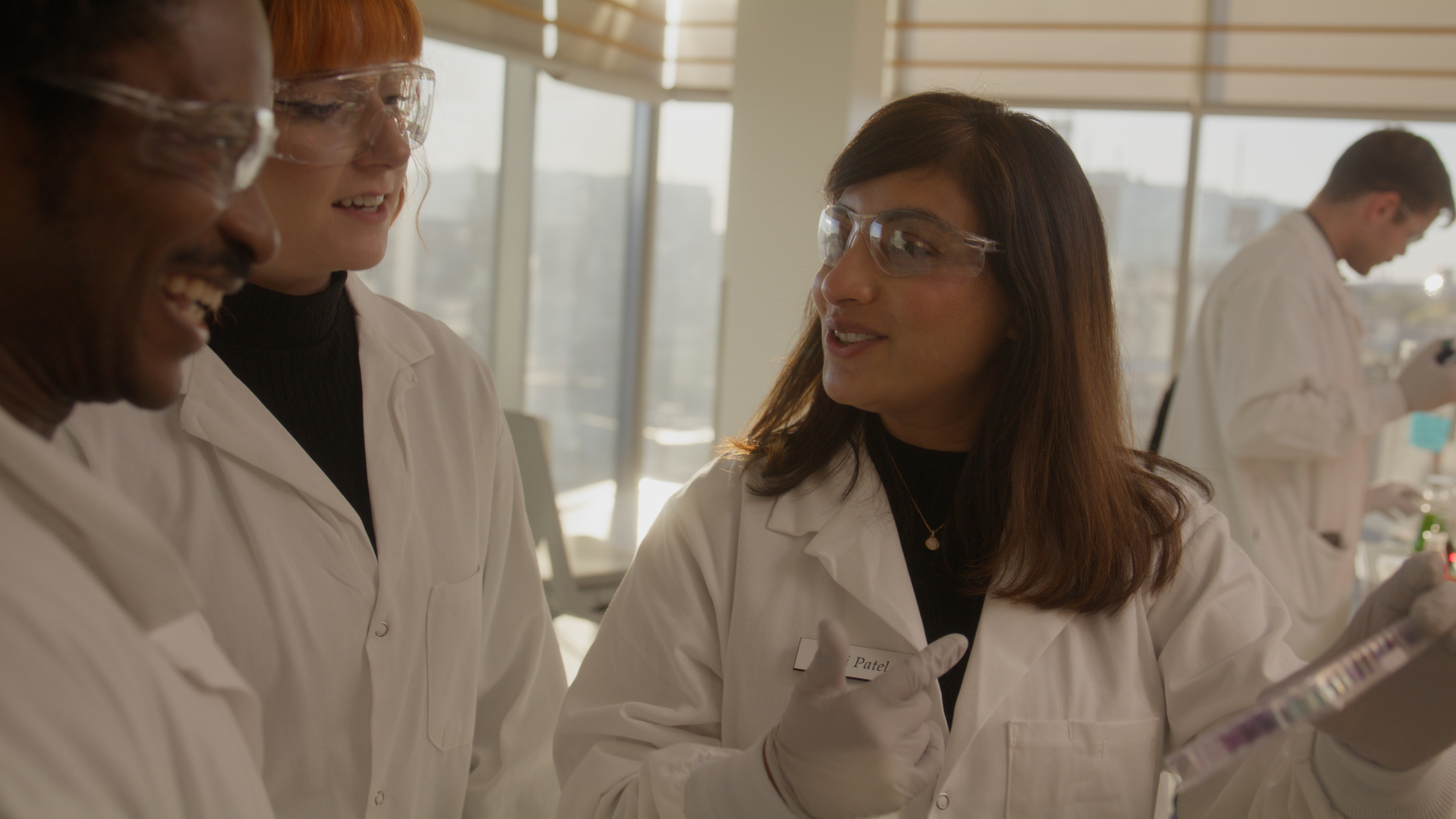
Today, as a Principal Scientist at Novartis working in neuroscience, Arti is part of a global collaboration pushing the boundaries of innovation and research. Every day, she finds real joy in the community we’ve built here, learning and sharing her own knowledge with “brilliant minds and experts”. What started under African skies with a child's questions has become a career driven by the knowledge that "the research breakthroughs we are making and will continue to make will change the lives of patients."
Those childhood moments of curiosity and survival now fuel discoveries that could save lives around the world.
See how Arti is shaping the future of neuroscience.
Where purpose lives
These stories remind us that purpose isn't just something we talk about. It's something we live, every day, in every role, in every breakthrough that begins with a personal commitment to change. Our teams show up with their whole selves. And when they do, we are truly able to reimagine medicine.
Ready to work alongside people like Giselle, Maria and Arti?