Health doesn't only begin in hospitals and clinics. It can often start wherever people gather and trust one another. That's why Novartis and the Novartis Foundation work alongside local partners to bring community health programs closer to people's everyday lives and help connect more people to care.
Connecting people to care takes more than any one organization, program or intervention, it takes a village. Through our It Takes a Village series, we are spotlighting community health leaders from around the world who are helping close gaps in care by meeting people where they are and building trusted pathways to better health.
A bridge to healthcare
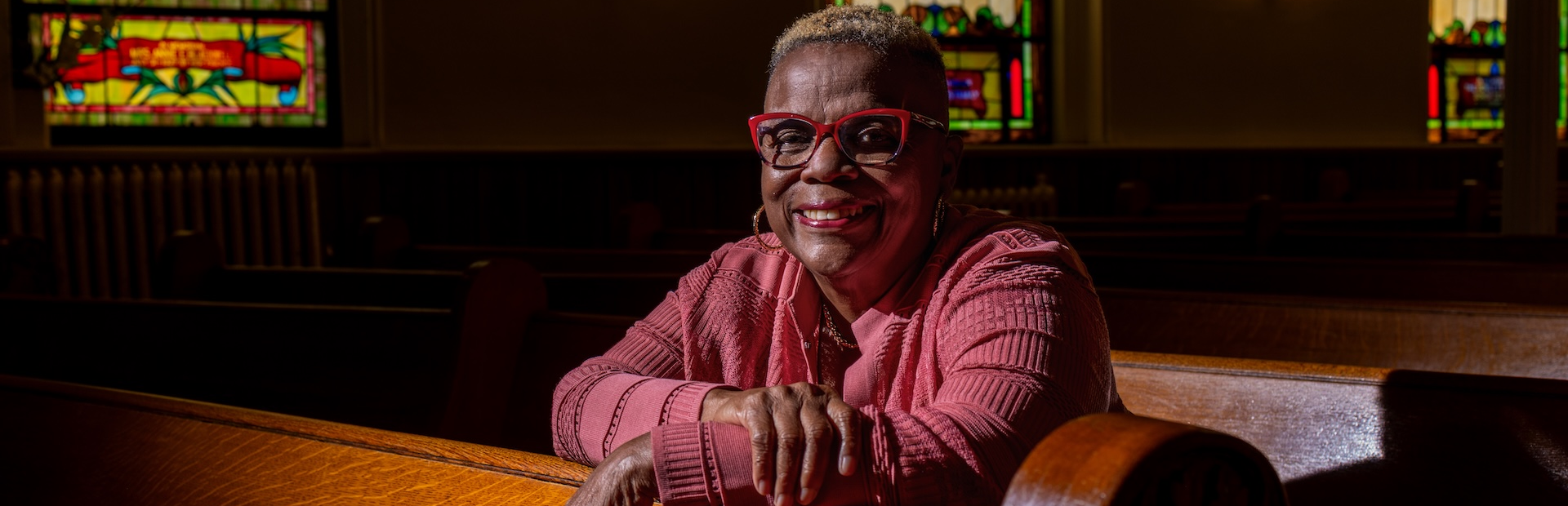
Dr Pernessa Seele is the Founder and President of The Balm In Gilead, one of four organizations Novartis is working with as part of its Inclusive Health Accelerator (IHA) program, which launched in the US earlier this year. The IHAs are designed to boost early detection of prostate and breast cancer and address gaps in care in hard-to-reach populations. Beginning in five cities – New York, Los Angeles, Detroit, Houston, and Baltimore – the IHAs aim to improve access to care through tailored, local partnerships.
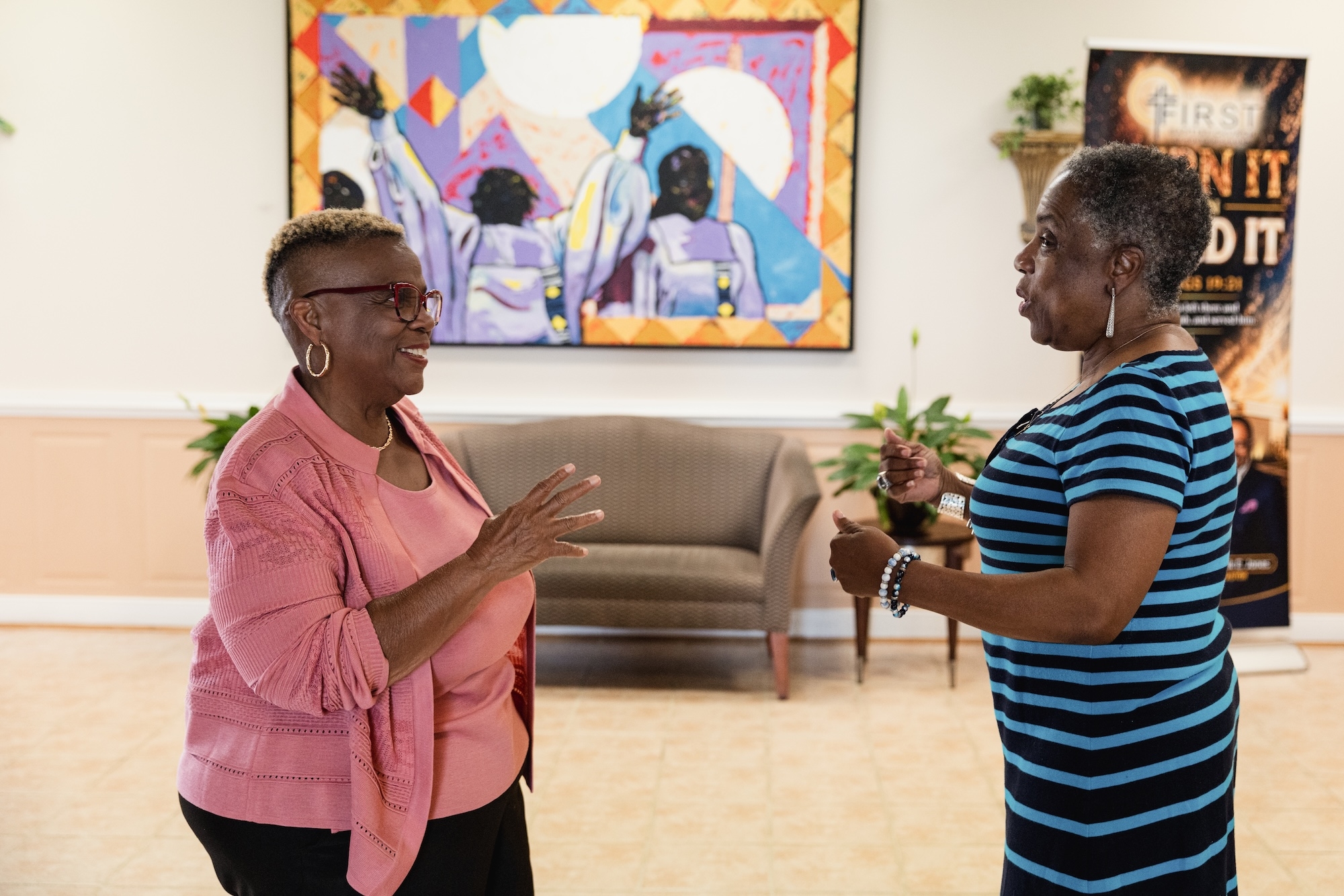
Through The Balm In Gilead, a nonprofit organization that has spent decades mobilizing faith communities and leaders around health, Seele has helped bring health into places where people already gather, connect and trust one another. By working with faith communities, she has helped create pathways from awareness and screening to care for people who may not otherwise engage with the healthcare system. For Seele, improving health starts by taking a seat where trust already exists and building from there.
Together, Novartis and The Balm In Gilead are expanding community-based education, screening and navigation support, while training more than 500 health workers, coordinators, ambassadors and coaches to help people better understand their health risks. By strengthening connections between communities and the health system, the partnership seeks to address barriers and help more people access timely follow-up, diagnosis and appropriate care.
“There’s no better place in our community than the faith community to connect us with the people of the community. We’ve seen people who would come to the church to get health screenings or to get information that would not go to the health facility. Partnering with faith communities allows that to happen because this is the center of the village. This is where we connect with people.”
Dr Pernessa Seele, Founder and President, The Balm in Gilead
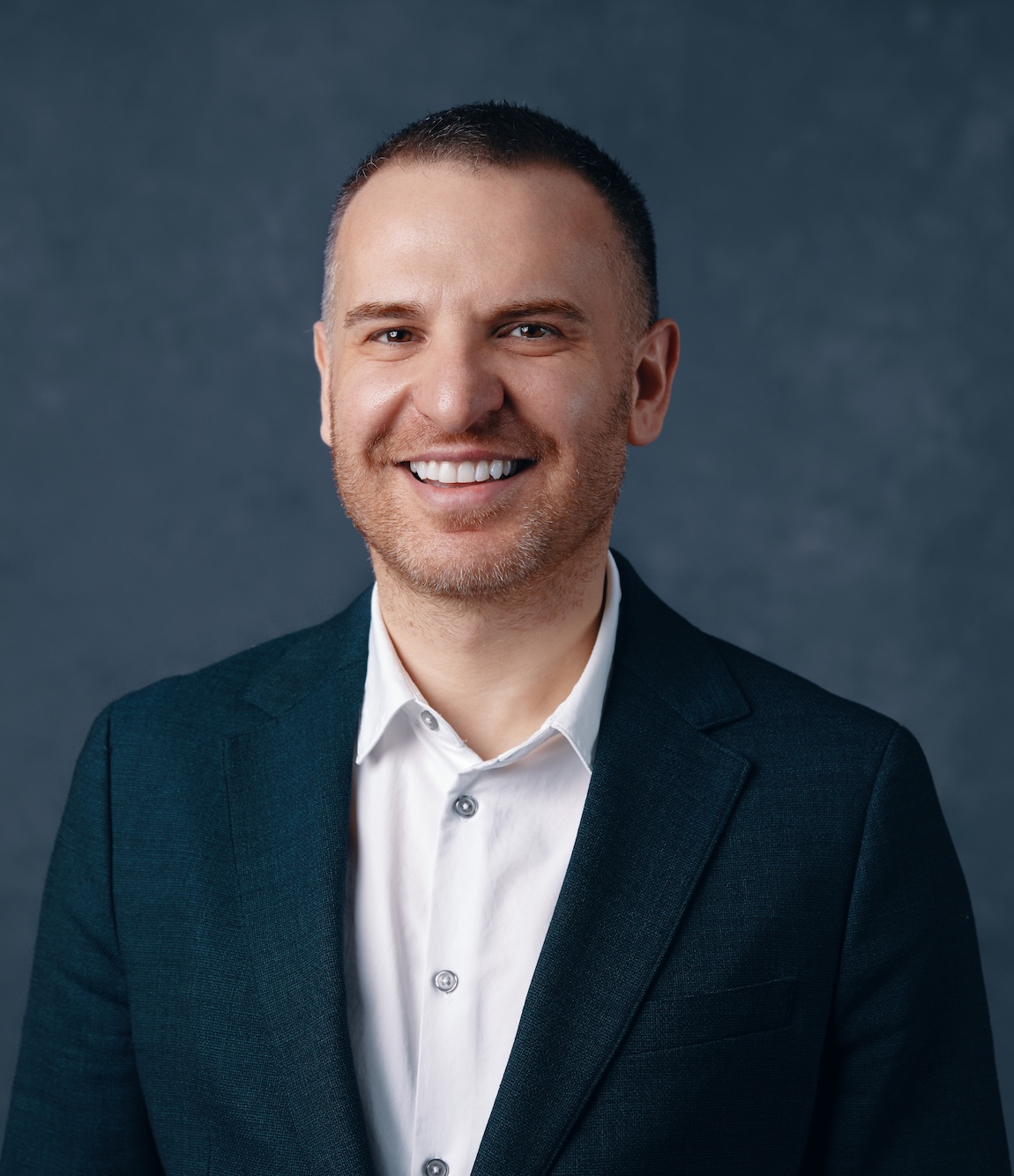
“Closing health gaps is not something any one organization can do alone. Real progress happens when communities, health systems, policymakers, healthcare professionals, civil society organizations and industry come together around a shared goal. With progress against chronic disease slowing in many parts of the world, and millions still missing out on prevention, diagnosis and treatment, improving community health is both a responsibility and a sustainable business imperative. By working alongside partners and communities, we can play a role in helping create the conditions for more people to access care, while expanding our efforts to reach hidden pockets of heart disease and cancer through solutions that are sustainable, scalable and shaped by the communities themselves.”
Korab Zuka, Global Head of Social Impact and Chief Sustainability Officer, Novartis