Novartis is expanding its community health approaches from 11 to more than 30 countries by 2030,
to improve prevention, screening and treatment for heart disease and cancer for these populations. Three distinct community health models, together, aim to help find patients earlier and connect them to care.
Breaking down barriers in communities
Chronic disease trends are worsening in many countries and experts underline the need for greater access to prevention, early screening and timely treatment.1 Barriers such as distance, low trust and systemic inequities mean many people do not enter the health system, or face delays accessing care. Our experience shows the most effective way to close these gaps is to work directly with communities – creating trusted, community-led pathways to care.
“Novartis is going further to tackle the unequal impact of the epidemic of noncommunicable disease. By working together with communities, we will expand our approach to reach hidden pockets of heart disease and cancer around the world,” said Korab Zuka, Chief Sustainability Officer at Novartis. “With millions missing out on potential treatment for chronic disease, improving community health is both a responsibility and a sustainable business strategy.”
Care in trusted community settings with Inclusive Health Accelerators
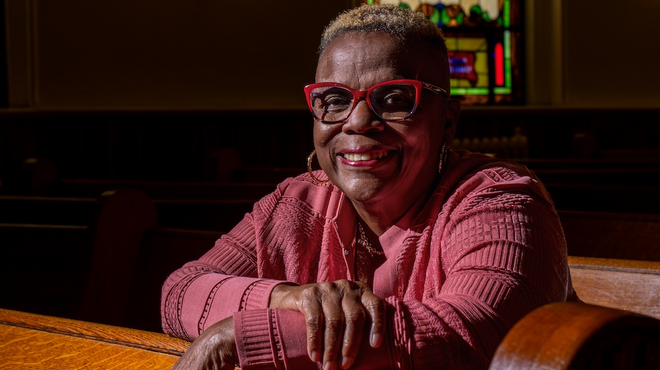
In the U.S., we’ve partnered with trusted local organizations to launch Inclusive Health Accelerators (IHAs) in New York, Los Angeles, Detroit, Houston and Baltimore. The model is designed to boost early detection of prostate and breast cancer, with access to education, free screenings, diagnosis and follow-up. Local partners include The Weitzman Institute, which strengthens delivery of quality primary care, the public health & faith-based organization, The Balm in Gilead, the African American Male Wellness Agency (AAMWA), advancing health and family wellness, and BlackDoctor.org a trusted health and wellness platform.
“Breast and prostate cancer screening are among the most critical preventive services, yet too many patients never receive them,” said Margaret Flinter, senior vice president and clinical director of Community Health Center, Inc. and the Moses Weitzman Health System. “Only 45% of patients at federally qualified health centers are screened for breast cancer, compared with 78% nationally -- a gap that costs lives. Our partnership with Novartis helps health centers redesign care systems, train frontline staff as cancer-screening coaches, and ensure every patient, regardless of zip code or insurance, has access to timely screening and follow-up.”
"The Balm In Gilead meets people where they are - within their congregations, communities and families,” says Dr. Pernessa Seele, CEO & Founder of Balm In Gilead. “As such, we create sustainable, patient-centered infrastructures that close the gaps which have persisted for far too long."
The IHAs build on existing U.S. partnerships to tackle cardiovascular disease, including the Health Assessments and Rapid Transformation (HEART) Initiative launched in 2025 with the School of Global Health at Meharry Medical College. This five-year effort aims to reduce cardiovascular disease by working alongside communities to build solutions that are locally grounded, clinically sound, and designed to last. It is currently rolling out three cities: San Bernardino in partnership with Loma Linda University Health, Detroit alongside Corewell Health and Meharry’s hometown of Nashville.
Expanding our Community Health Initiatives in LMICs
Our Community Health Initiatives (CHIs) – already running in Vietnam, Rwanda and Bolivia – will expand to at least 10 low and middle income countries by 2030, focused on improving early detection and treatment for heart disease and cancer.
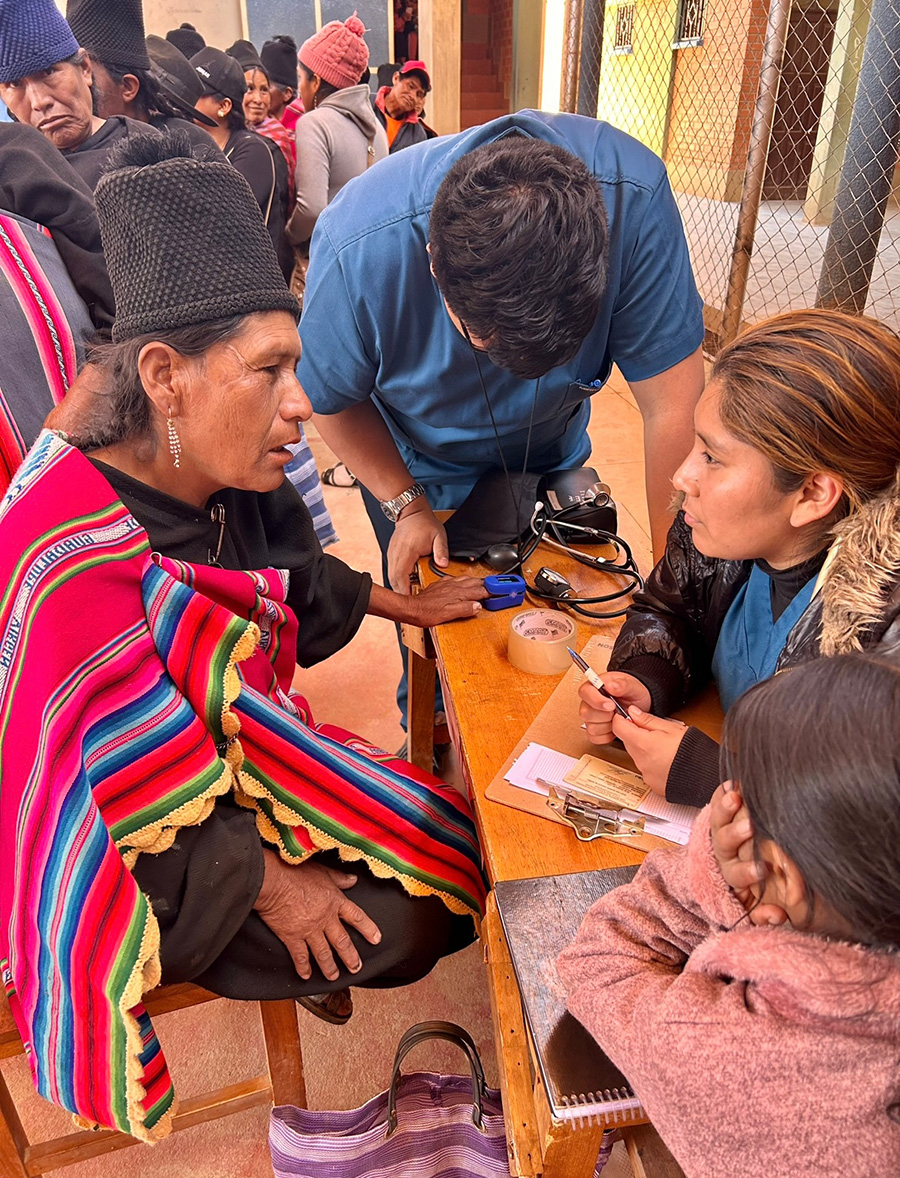
- Bolivia: We have been working with indigenous communities to improve screening and follow up care. More than 15 000 people have been screened for cardiovascular disease, and over 100 patients now access lower cost treatment through a new distribution platform that allows access to lower-cost treatment for heart failure and other cardiometabolic drugs.
- Rwanda: With the Ministry of Health and NGO, Health Builders, we co designed a three-year program to expand access to cardiovascular (CV) services. The program identifies people in communities living with CV risks, upskills health workers across all levels, strengthens service delivery, and improves availability of quality medicines. The goal is to screen more than 350 000 individuals and train 5 500 frontline providers including community health workers.
- Vietnam: We continue to evolve our blueprint model which, with the Government of Vietnam, screened around 400 000 people, linked 35 000 to treatment, and doubled control rates for hypertension just in the last year and half.2
“Cardiovascular diseases have become a significant public health challenge in recent years in Rwanda,” says Elias Sebutare, Director of Programs, Health Builders. “Training was designed to strengthen the knowledge and clinical skills of healthcare workers in diagnosing and managing common cardiovascular conditions. By empowering providers at the community level, we are enabling patients to receive timely, affordable care closer to their homes, easing both the financial and logistical burdens on families.”
Improving health outcomes in cities
Across some of the world’s biggest cities, CARDIO4Cities helps leaders detect and narrow heart health disparities using data, digital tools and AI-enabled insights to get ahead of cardiometabolic disease. Developed by the Novartis Foundation, an independent non-profit organization, it is currently operational in eight countries and aims to expand to 30 major cities in 23 countries by 2030.3 Results from previous implementations show the approach has demonstrated three- to six-fold increases in hypertension control with associated reductions in stroke and heart attack rates within one to two years of implementation.4
Stay up to date with our community health programs
Make sure to keep up with our milestones and achievements as we go through the year by following our channels.
- Follow Korab Zuka on LinkedIn
- Follow Lutz Hegemann on LinkedIn
- Follow Novartis Global Health on LinkedIn
- Follow Novartis Foundation on LinkedIn
Did this story inspire you to work with us? Check out our Careers section.