Why does Novartis work in sub-Saharan Africa?
Sub-Saharan Africa is home to some of the world’s fastest growing economies,1 but too often that growth is being held back by disease and barriers to healthcare. According to the WHO, the region experiences 94% of global malaria cases,2 while noncommunicable diseases have risen rapidly to become a significant threat to public health.3
Through our dedicated sub-Saharan Africa business unit, Novartis is committed to improving access to innovative treatments for malaria and conditions such as cardiovascular disease, cancer and neurological disorders. We work sustainably with partners to:
- increase access to innovative therapies for chronic diseases;
- introduce new treatments for malaria; and
- build stronger, more resilient health systems.
Innovative therapies for chronic diseases
Patients in Africa should not have to wait years for science that could change the course of chronic diseases.
At Novartis, we are working to increase the availability of innovative therapies with a focused presence in 12 countries: Nigeria, Namibia, Botswana, Mauritius, Kenya, Ghana, Rwanda, Côte d’Ivoire, Cameroon, Mali, Senegal, and Gabon. This includes providing treatments across countries in Sub-Saharan Africa for cardiovascular disease, cancer, sickle cell disease, post-transplant and neurological conditions.
We are doing this by increasing the number of launches of our Emerging Market Brands, innovative medicine brands specifically designed to increase affordability and speed up access to treatment for cardiovascular disease and cancers in low- and middle-income countries.
Outside these countries, we provide access through a multi-country distributor hub, and partnerships with multinational and non-governmental organizations.
Learn more about Novartis innovative healthcare models in global health
Introducing new treatments for malaria
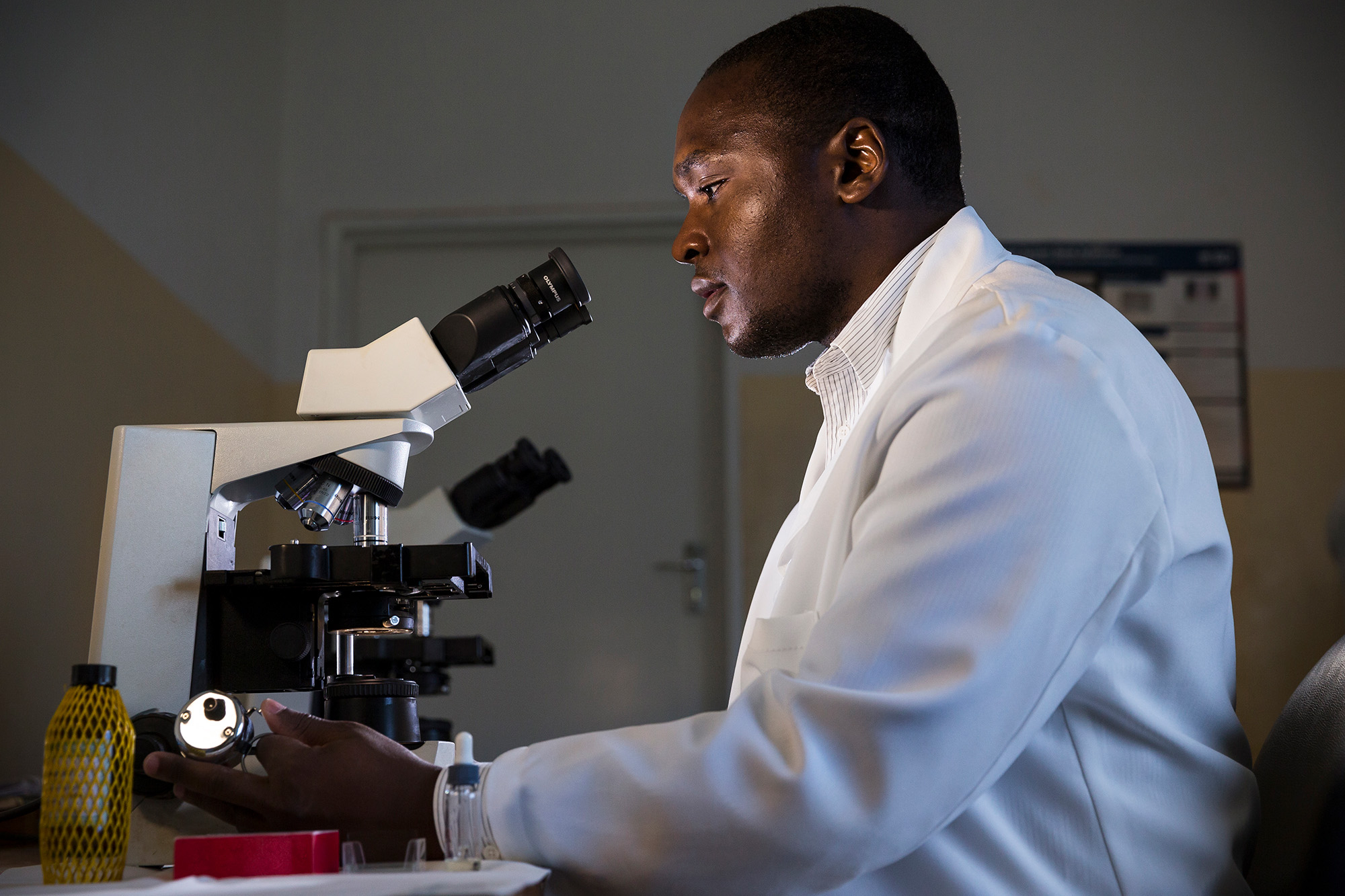
Since 1999, we have provided more than 1.1 billion treatments of our artemisinin-based antimalarial, largely without profit. These include formulations designed for children and infants. A recent study estimates that Novartis treatments avert more than 500 000 malaria deaths and USD 24 billion in productivity losses to Africa’s economy due to ill health every year.4
With a rising threat from drug-resistant strains of the malaria parasite, we are going further by developing multiple next-generation antimalarial candidates, including treatments for acute uncomplicated malaria, severe malaria and a potential single-dose cure.
We do this through innovative clinical trials partnerships built and led in sub-Saharan Africa, including groups such as the Medicines for Malaria Venture, the Swiss TPH and West African Network for Clinical Trials of Antimalarial drugs consortium, helping to strengthen the region’s long-term scientific expertise.
Find out more about our work in malaria
Strengthening health systems
Complex health challenges require long term collective action. We work with the World Health Organization (WHO), national health ministries, medical societies and patient groups to build resilient health systems that drive social mobility and economic prosperity.
Together with partners, we are creating new multidisciplinary programs and centres of excellence for conditions such as cardiovascular disease, sickle cell disease and chronic kidney disease – helping to inform clinical practice and shape national treatment guidelines.
In 2019, we funded and built the region’s first comprehensive program for sickle cell disease in Ghana, spanning newborn screening and treatment, to education, training and national care strategies. The end-to-end model has since been adopted across several African countries.
In a region often omitted from pharmaceutical research, we also remain committed to conducting clinical trials in Africa to support the introduction of innovative medicines. We are investigating new therapies for heart failure, sickle cell disease and other chronic conditions, as well as researching novel treatments for tropical diseases.
Through our Next Generation Scientist (NGS) Program and partnerships with the University of Basel, University of Siena, University of Global Health Equity in Rwanda and the Open Medical Institute, we also provide training and mentorship for a new generation of scientists and clinicians from low- and middle-income countries. As of 2026, NGS has trained more than 180 scientists and clinicians from developing and emerging economies since it began in 2011.
Beyond this work, we partner with patient groups to advocate for stronger country-level treatment guidelines, including efforts to improve reimbursement pathways and make innovative treatments more affordable for patients. We also build supply chain capabilities though the Novartis Value Chain Academy, which provides training for national pharmacists’ associations and partners beyond our own supply chain, at no cost.