The race against resistance.
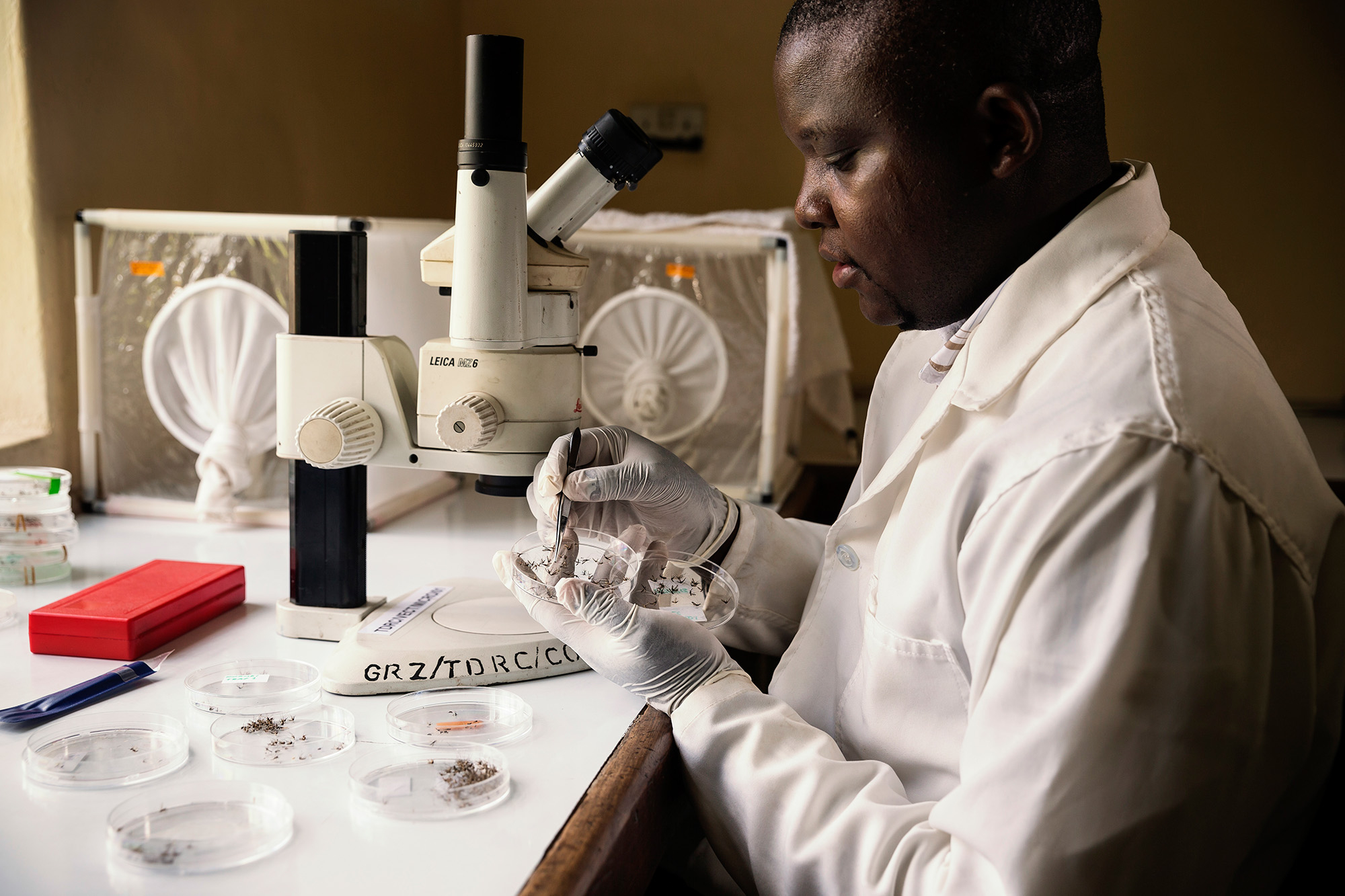
Person in a lab coat examining mosquitos at a microscope on a laboratory workstation

Why is Novartis working in malaria?

Despite significant progress, malaria causes more than 600 000 deaths every year, mostly in children under the age of five.1 New threats, such as the emergence of parasites partially resistant to treatment, are putting malaria elimination at risk.2

For three decades, the Novartis malaria program has harnessed a sustainable business model to deliver innovative antimalarials with the aim of treating the disease and playing a key role together with partners towards elimination of the disease.

In 1999, we introduced a new, effective treatment after resistance emerged against a previous generation of medicines.3 Since then, we have provided more than 1.1 billion treatments, largely without profit, including new formulations designed for children and the smallest infants.

Now, we are going further. Using our unique capabilities as an innovative medicines company, we are committed to discovering, developing and delivering the next generation of antimalarials to combat the growing threat from resistant parasites.

Our ambitions are fuelled by one of the industry’s largest pipelines of novel treatments for malaria and neglected tropical diseases,4 backed by more than USD 500 million in investment in global health R&D since 2021. These include multiple candidates for acute uncomplicated malaria with a potential for single-dose cure, severe malaria and a radical cure.
Our impact: saving lives from malaria

  • Over 1.1 billion antimalarial treatment courses delivered to date, including 500 million pediatric doses.
  • Introduction of the first malaria treatment for newborns and young infants in 2025.
  • Multiple next-generation compounds in development to address the threat of antimalarial resistance.

A history of malaria breakthroughs

The approval of the first Novartis antimalarial in 1999 came after the parasites that cause the deadliest strain form of malaria, Plasmodium falciparum, developed resistance to older medicines such as chloroquine.5

Our new treatment fought back. It was the first time there had been a fixed combination therapy based on artemisinin, a compound derived from the Chinese sweet wormwood herb. The treatment has since become the standard of care for acute, uncomplicated malaria caused by P. falciparum.6

In 2002, this antimalarial was included in the World Health Organization (WHO) Model List of Essential Medicines.7 Together with Medicines for Malaria Venture (MMV), a Swiss non-profit drug development partnership, we worked to introduce a new dissolvable, cherry-flavoured formulation designed for children in 2009.8

In 2025, we went further with MMV by introducing a formulation tailored for young infants weighing 2-5 kilograms – the first malaria treatment for the smallest babies. Before this, caregivers had to make do with adapting treatments designed for older children, risking overdosing with the potential for toxicity, or underdosing, which can fail to treat the disease.9

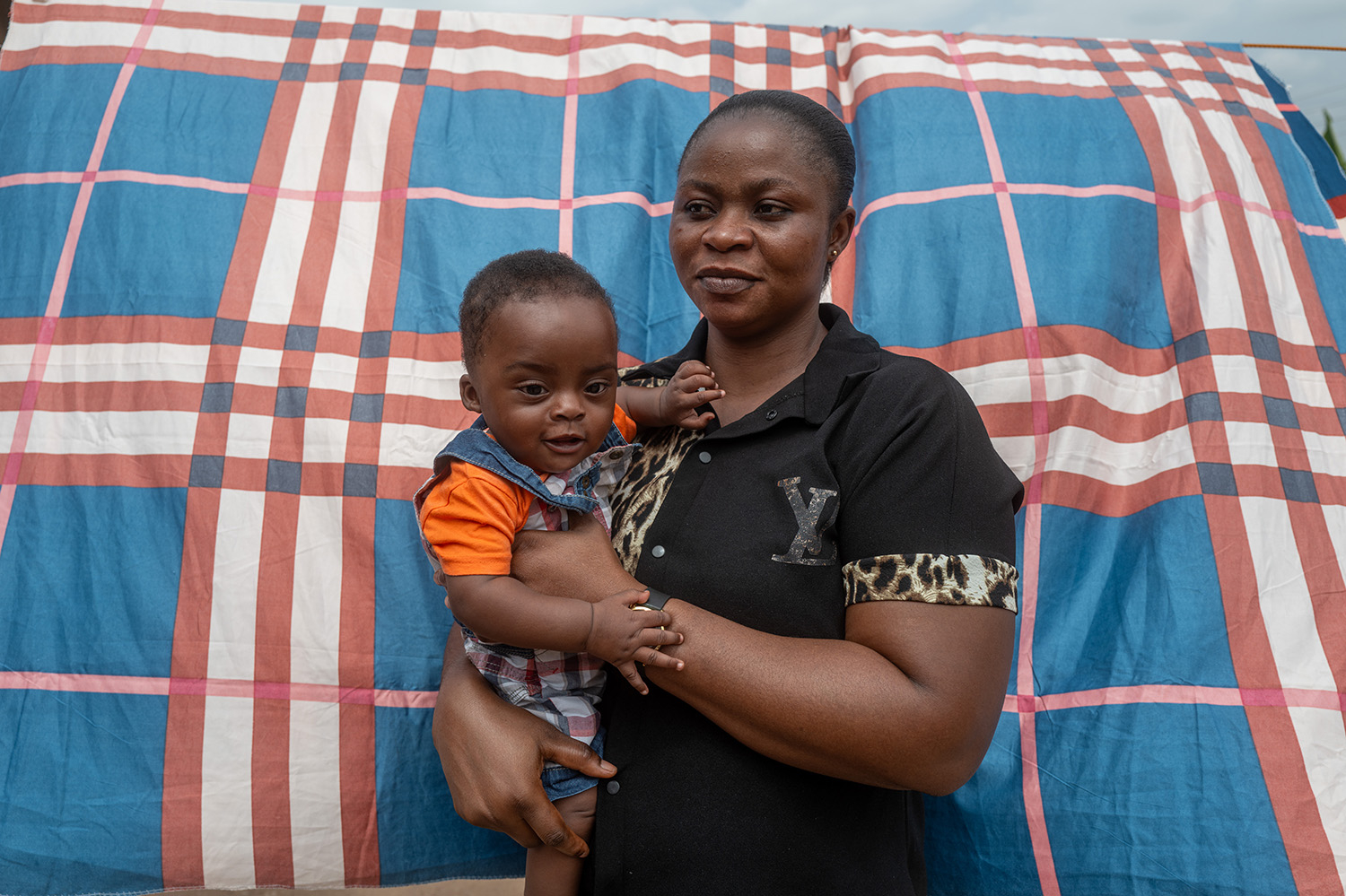
Person holding a small child in front of a large blue and red plaid-patterned blanket

Since 1999, we have provided more than 1.1 billion courses of these treatments, largely without profit. A recent study estimates that Novartis antimalarials avert more than 545 000 malaria deaths and $24.2 billion in productivity losses to Africa’s economy due to ill health every year.10

Read more about our sustained commitment to malaria elimination in this interactive story: Towards eliminating Malaria.

Treating the smallest babies

At only 12 weeks old, Wonder, a young baby from Ghana, fell severely ill with malaria. It was a worrying diagnosis: until recently, there was no treatment designed for very young infants like him, with doctors often having to risk splitting doses of medicines made for older children by hand. Hospital staff contacted Novartis associates, who arranged supply within hours. In 2026, Wonder became one of the first babies to receive a new antimalarial designed for the youngest infants.

Read more about Wonder’s story

The race against antimalarial resistance

With a new era of drug-resistant malaria parasites now emerging, we are responding by delivering the next generation of antimalarials.

In 2026, we submitted our most advanced candidate to health authorities for review following a positive Phase III clinical trial across 12 countries in Africa.

Results showed the treatment had a high cure rate, killed resistant strains of the malaria parasite and had the potential to block onward transmission. If approved, it could represent the first major innovation for treating malaria caused by P. falciparum since the introduction of our first antimalarial in 1999.

Our other candidates include an antimalarial being developed for severe malaria, a form of the disease which is often fatal without treatment yet lacks therapeutic options that can kill drug-resistant parasites. We are also working on combination therapies that could be given as a single dose, making it far easier for patients to complete treatment. These potential treatments are currently in Phase II trials.

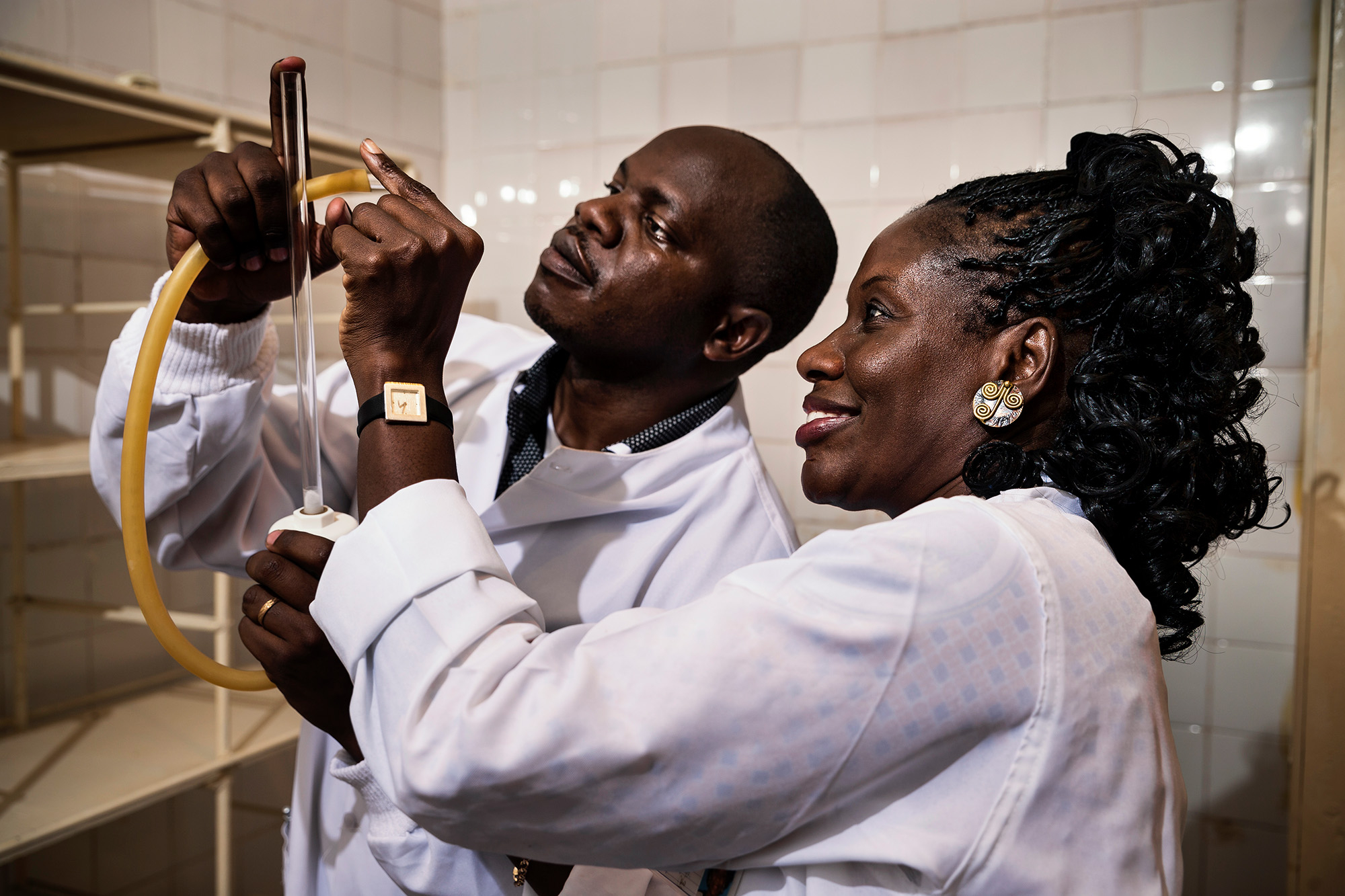
Two people in lab coats examining a tube device in a tiled laboratory room

Going together with partners

We work closely with trusted partners to discover, develop and deliver innovative malaria medicines.

A key compound in our most advanced next-generation treatment originates from a landmark screen of 2.3 million compounds in Novartis labs in San Diego, California. This discovery was supported by organizations including the Wellcome Trust, MMV and the Swiss Tropical and Public Health Institute.

Development of the treatment was a collaboration with MMV and a leading African-led clinical trials network, the West African Network for Clinical Trials of Antimalarial drugs. This consortium was a collaborative research initiative with non-profit, private and public sector support, including funding from the European Union, Germany and the UK.

To improve access in malaria-endemic regions, we work with partners to supply all our approved antimalarials on a sustainable ‘no profit no loss’ basis. This includes collaborating with international non-profit and multilateral organizations, such as the Global Fund, to reach more patients in the countries where treatments are most needed.

References:

  1. WHO: Malaria factsheet
  2. WHO; 2025 World Malaria Report, p. 98 and following
  3. CDC (2024): Drug Resistance in the Malaria-Endemic World
  4. Access to Medicine Foundation: 2024 Access to Medicine Index. November 2024.
  5.   Takala-Harrison S, Laufer MK. Antimalarial drug resistance in Africa: key lessons for the future. Ann N Y Acad Sci. 2015 Apr;1342:62-7. doi: 10.1111/nyas.12766. PMID: 25891142; PMCID: PMC4527866.
  6. Premji, Z.G. Coartem®: the journey to the clinic. Malar Journal 8 (Suppl 1), S3 (2009). https://doi.org/10.1186/1475-2875-8-S1-S3
  7. Ibid.
  8. Ibid.
  9. Tiono et al., 2015; Abdullah et al., 2008
  10. Atitallah et al (2026) ‘Socioeconomic Impact of Artemether–Lumefantrine in Malaria Treatment across Sub-Saharan Africa: A Model-Based Historical Analysis with 2022 as Reference Year’, The American Journal of Tropical Medicine and Hygiene, Volume 114: Issue 6