Why does Novartis work in global health?

For more than eight decades, Novartis has taken on the toughest challenges in global health. And as global health is under pressure from threats like climate change and the rising burden of chronic diseases, drug resistance and declining donor funding, we are going further.

The Novartis Global Health unit is a sustainable business that deploys our skills as an innovative medicines company for patients living in low- and middle-income countries. We reach about 30 million people every year.
In 2024 and again in 2026, we ranked No. 1 in the Access to Medicines Index for our commitment to improving the lives of patients around the world.

Together with our partners, we deliver the next generation of innovation for malaria and neglected tropical diseases, and find new ways to bring innovative therapies for conditions like heart disease and cancer to communities beyond the reach of conventional models.

We are in the business of innovation, against the odds.
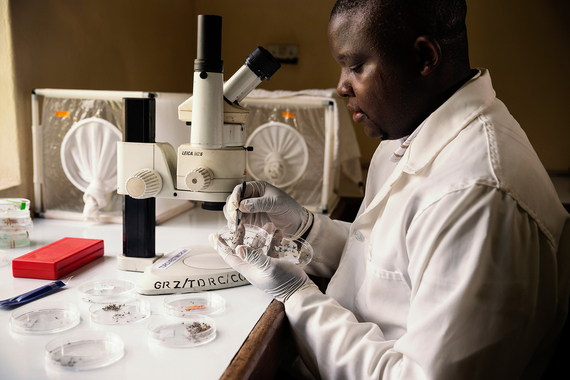
Person in a lab coat examining mosquitos at a microscope on a laboratory workstation

Malaria and Neglected Tropical Diseases (NTDs)

Malaria and Neglected Tropical Diseases (NTDs) affect more than one billion people worldwide and have a devastating impact on communities in low- and middle-income countries.  We have provided more than 1.1 billion antimalarial treatments since 2000, largely without profit, and are developing new compounds to combat malaria and NTDs such as dengue and leishmaniasis.

Learn more about how Novartis is tackling malaria

Learn more about how Novartis is developing new treatments for NTDs

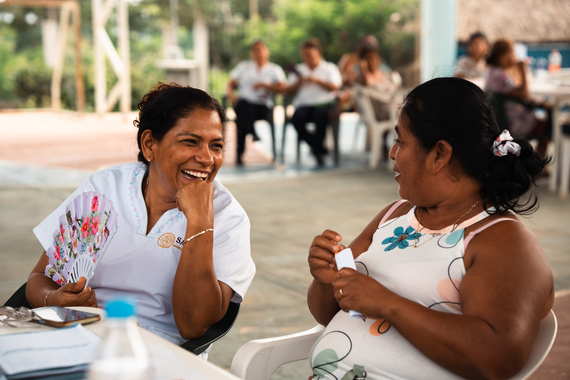
Two people sitting at a table outdoors, engaged in conversation with others seated in the background.

Innovative Healthcare Models

Overcoming barriers to innovation in global health means going beyond the breakthroughs. Through sustainable strategies such as Community Health Initiatives and other access models for innovative medicines, we are going further to bring the latest therapies to low- and middle-income countries, extending the reach of innovative medicines beyond conventional business models.

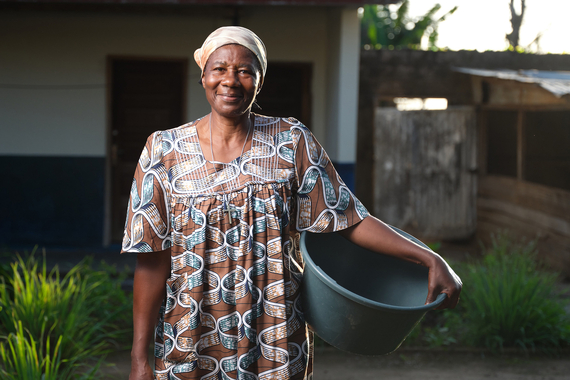
Person standing outdoors holding a large plastic basin, wearing a patterned dress and headscarf.

Sub-Saharan Africa

Economic growth and prosperity in sub-Saharan Africa is being held back by infectious diseases like malaria, chronic conditions such as sickle cell disease, heart disease and cancer, and longstanding barriers to healthcare. With a focused presence across 12 countries, our dedicated Sub-Saharan Africa Business is helping to create more resilient health systems through better access to the latest treatments across Sub-Saharan Africa.