How This Former Army Officer Helps Deliver Cancer Treatments to Patients, Through Hurricanes and Beyond

Radioligand therapies harness the power of radioisotopes to target cancer with precision. For Matt Baca, delivering a dose in a three-to-five-day window is all in a day’s work.

By Carrie Sloan | Nov 11, 2025

It’s Veteran’s Day, and you have a long history of military service before coming to Novartis as Head of Site Operations at our Radioligand Therapy (RLT) Manufacturing Plant in Indianapolis. Can you tell us more about that?

I am a prior service Army veteran. I was in the army for 12 years, and I ultimately decided to leave the army because I was having a daughter. I wanted to be a part of her life during those early stages, and my wife and I decided it was time to do something different.
How did you wind up coming to Novartis?

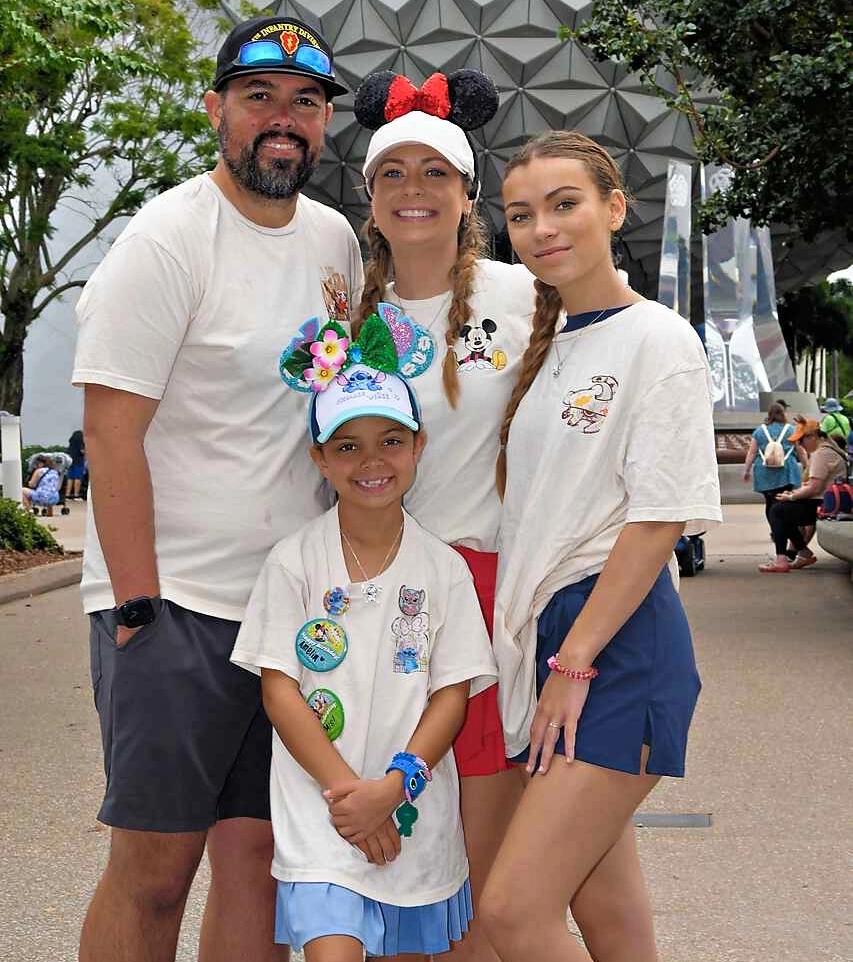
A photo of Novartis employee Matt Baca on vacation with his family.
Matt with his family on vacation.*

What brought me to Novartis is important to mention. When I was getting out of the military, I was trying to decide what filled two needs for me. Number one was looking for something in the manufacturing space because I’m process-oriented. I’m an engineer. The role had to be something that fit that, but additionally, it had to be something with purpose.

After I left the army, I had several interviews. I first interviewed at a company where the technology was cool, the manufacturing process was great, but it didn’t serve my sense of purpose.  

Then I began interviewing in healthcare, and that’s when I learned about the impact it has on patients’ lives. I could connect with that, and I could make that transition. For me it made sense.

What was it about radioligand therapy that interested you in particular? 

I had made a connection at another job, and he left to take a job at Novartis. He told me, “I have a position that’s right up your alley.” We met, and the open position was what I like to do—operational excellence and process-building. Then he said, “but here’s the catch…” 

He started to explain to me the technology behind radioligand therapies, and how this is not a product that’s made and put into a distribution warehouse—it’s a made to order, customized product and essentially, each vial has a patient ID associated with it. When I heard what it takes to deliver it, that struck a chord with me.  

RLT is an innovative approach to cancer treatment that delivers radiation directly to cancer cells that present specific biomarkers. Can you explain what goes into delivering a dose? 

A lot of it has to do with time—how quickly we have to react and get a dose to where it needs to go. RLT is different because each dose is unique to a patient, and it all comes down to logistics. Because it’s a radiopharmaceutical with a half-life, from the moment a dose is made, we are racing against the clock. Some therapies have a three-day window for delivery. Others have five. Each dose is unique, with a patient ID and a GPS tracker in the package, so we know where it is at all times.  

I’m always looking at the time, and our people adjust to logistics. We have to rely on our employees, and they have to go to extreme measures in their own lives, because it’s the only opportunity for a dose to go from Point A to Point B on a given day.

We are looking constantly for people like the veterans we have working at Novartis. I tell people all the time, ‘Military folks operate in very dynamic, high-pressure situations constantly. In order to be successful in the military, you have to thrive in that kind of environment.

We even had a situation where there was a hurricane in Florida. It was a Category 5 hurricane, and we were still able to achieve dosing a patient on a planned day. A lot of that goes into the logistical planning around it. The hospital wrote us and said they couldn’t believe we did it. Our success rate in delivering doses on time is 100%. 

What does an average day in the life look like for you and your team?

We operate 24/7, but if you put it on a timeline, production technicians come in for their shift at 6am. They’re producing a batch from 8am to noon, and then we’re working to get it quality control tested and released. It’s released around 11:30pm, and it’s heading out the door. In no other pharma company is that happening. 

For most biotechs, it’s a 30-day release cycle. You’re producing a batch of medicine, and it’s getting released 30 days later. We don’t have that luxury of time. The product is constantly decaying. In order to get it where it needs to be, and to be stable, we have to quickly deliver it by a specific date and time.

We built our plant right next to the Indianapolis airport on purpose. We’re always looking at flight paths, thinking, “Where are the couriers? What is the optimal route to take?”  

If there is a small delay – a supply chain glitch, a power blip – things that are outside of our control, then the team has to shift gears. At this point it’s like, “Now we don’t have this much time, we have this amount of time. We have to start all over again. We have to find new couriers.”

It’s also unique in the sense that—and this is another big thing for us—there are sometimes windows of opportunity for our patients that close if you don’t hit that timeframe. Depending on what stage they’re at in their cancer, they may only have a small window when they can get that treatment. 

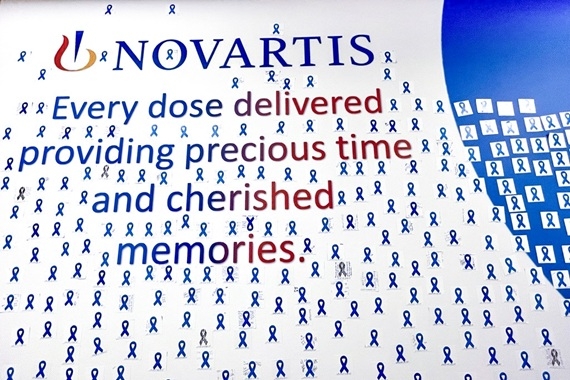
We created a ‘Wall of Hope’ that we can walk by every day.  We have ribbons on the wall that show each batch of medicine we’ve ever made at the site with an inscription from a worker who helped create it.

If it doesn’t get there that day, they may not have another day. It’s not a matter of rescheduling the patient—the opportunity may be gone. 

Novartis made a bold bet with RLT. We were one of the earliest to invest in this space, because we believe this targeted approach can become a pillar of cancer care. What was it like to build a manufacturing plant from the ground up? 

For me, what was important was the ability to build a culture, to have the opportunity to put my stamp on it. One of the things that we thought about—and I really loved being part of—was how do we build the focus of the culture here into that bigger purpose? 

We were waiting on approval to begin supplyingBy that I mean, we were starting to make and ship batches of the medicine, and we decided, “OK, let’s put together a symbol of the work we’re doing.” We created a “Wall of Hope” that we can walk by every day.

Building Our “Wall of Hope”
The “Wall of Hope” at our RLT manufacturing plant in Indianapolis, IN. Ribbons are placed on the wall to represent each dose of medicine sent to a patient.

We have ribbons on the wall that show each batch of medicine we’ve ever made at the site with an inscription from a worker who helped create it. 

We also have a wall with our own personal “why” – why we each do, and love, this work – that’s right outside our cafeteria. It’s a constant reminder.  

After meeting the larger team, I couldn’t help but notice that several are also veterans. How does that factor into the work you do – does your work draw on skills you learned in the military? 

I am a part of the Novartis Veterans Group, and that’s something I’m really passionate about—helping fellow veterans who are coming into this industry make that connection.

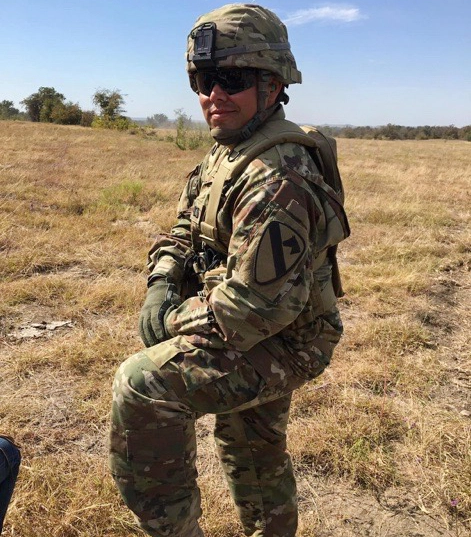
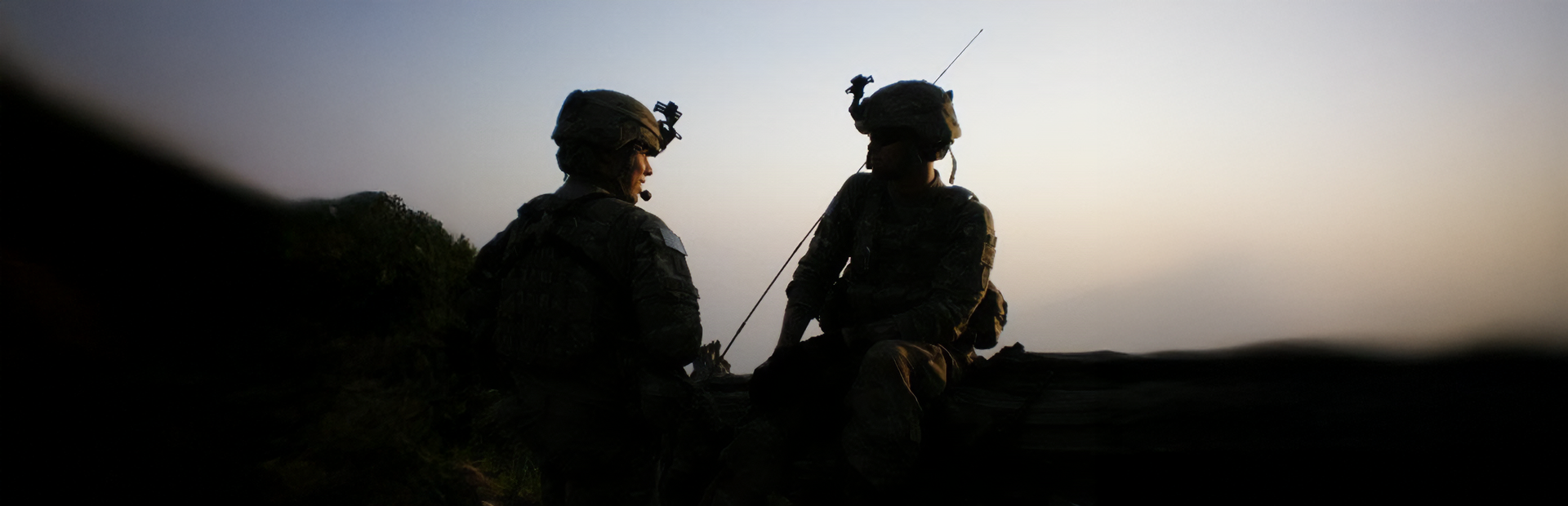
A Novartis employee and Veteran, Matt Baca, featured during his time in the military.
Matt on a tour of duty during his time in the military.

We are looking constantly for people like the veterans we have. Their learning agility is likely higher than other people. I tell people all the time: Military folks operate in a very dynamic, high-pressure situation constantly. In order to be successful in the military, you have to be able to thrive in that kind of environment.  

My coworkers Jake, Ted and I were all officers or command officers in the military, so we have experience working with large teams and small teams in highly regimented, different environments. Discipline is a big piece of it, but it’s really about learning how to operate in complex situations and make quick decisions. That relates to the main manufacturing process. We’re interveners, right? So I think that leadership piece helps.  

Thank you, Matt. For your service to America—and to patients all across it.  

Of course. The work is incredibly meaningful to me. Every dose we deliver provides precious time and cherished memories … and that is literally written on our wall. 

To learn more about radioligand therapy, and the innovation behind it, visit: KnowRLT.com

*This photo includes Disney-themed merchandise used in a personal context. Novartis is not affiliated with or endorsed by The Walt Disney Company.