
With a diverse and industry-leading pipeline, we’re shaping what’s next in immunology. By elevating the patient voice in our research and development, we ensure our innovation is rooted in the needs of real people. And we don’t do it alone; we convene key experts in health care, advocacy, and policy, building on a common purpose to support patients along their journey.
We are advancing bold science to help people with autoimmune diseases—targeting areas where meaningful therapeutic progress has long stalled. Autoimmune diseases are complex and often misdiagnosed. At Novartis, we recognize their profound impact on people’s daily lives and overall health. That’s why we focus on advancing bold science in dermatology, allergy, and rheumatology—to transform care for autoimmune diseases where progress has lagged, and where patients continue to live with often invisible, yet very disruptive symptoms.
Areas of Focus
Chronic hives, also called chronic urticaria, is a long-lasting, serious condition marked by recurring episodes of itchy hives and/or deep tissue swelling (angioedema). It affects approximately 5% of the United States population, with women twice as likely to experience it.
There are two main types of chronic hives: chronic spontaneous urticaria (CSU), which occurs with no known external trigger, and chronic inducible urticaria (CIndU), which is caused by a specific trigger.
Understanding the broader experience of patients—including how chronic hives impacts their daily lives, their experience with symptom management, and gaps in knowledge about the condition—drives us to elevate the standard of care with the goal of bringing relief.
Sjogren’s disease (SjD) is a serious, autoimmune disease that can be progressive and may affect up to 4 million people in the U.S.— nine out of 10 women. While hallmark symptoms like dry eyes, dry mouth, fatigue, and joint pain are commonly recognized, SjD can also impact the entire body, including potential organ damage.
Everyone’s experience with SjD is different, but many face physical, emotional, and economic burdens that often go unseen. Given the significant unmet need, accelerating the development of new treatment options is essential.
People with hidradenitis suppurativa (HS) can experience recurring boil-like bumps on their skin, often in intimate parts of the body. During flare-ups, these boils become inflamed, painful, and may burst, causing odor, leaking wounds, intense pain, and potentially irreversible scarring.
HS can make basic tasks like getting dressed difficult and may be associated with social withdrawal and depression. On average, it can take up to 10 years to receive a correct diagnosis, delaying access to appropriate care.
Building awareness and emphasizing early treatment are essential to ensure patients receive the care they deserve.
For many people, living with the thick, red, scaly patches of skin caused by plaque psoriasis (PsO) can mean a daily struggle with pain, discomfort and even depression. Additionally, plaque psoriasis on the scalp and nails may be a sign of higher risk for developing psoriatic arthritis.
Understanding day-to-day life with this disease, which may affect approximately 8 million American adults, is vital to ensuring those living with PsO are supported.
People with psoriatic arthritis (PsA) can have multiple manifestations of the disease causing different problematic symptoms. Pain, stiffness and swelling can occur, and left untreated, lead to irreversible joint damage. People with PsA can sometimes experience skin plaques, which are raised patches of red skin that are thick, scaly, and itchy. There’s a need to help people with PsA find relief from symptoms that can be disabling.
Waking up in the night because of back pain and being stiff and tired in the morning is a normal experience for people living with axial spondyloarthritis (axSpA), a form of inflammatory arthritis that affects the spine and other joints. By working together, we can help better address the needs of patients with axSpA.
Bold Science, Real-World Impact
We’re not just treating autoimmune diseases. We’re reimagining medicine, together.
We shape what’s next
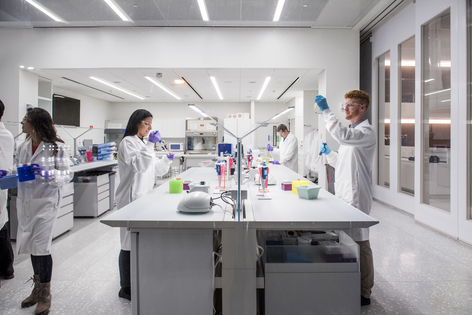
From small molecules to biologics and CAR-T cell therapy, our innovation is powered by cutting-edge science and focused on autoimmune diseases where progress has been limited.

We elevate the patient voice
We are deliberate about understanding the experience of patients with autoimmune diseases—leveraging insights so our innovation stays rooted in the needs of real people.

We build on common purpose
We bring diverse experts together to break barriers for patients—expanding our collaboration beyond the conventional to help people with autoimmune diseases along their journey.

Too often, patients are simply accepting their autoimmune condition and living with poor symptom control — which can impact daily lives. They deserve more innovation, support and resources as they strive to live life on their own terms. At Novartis, we are focused on advancing patient care in autoimmune diseases, especially where progress has been limited.
Christy Siegel, SVP & US Therapeutic Area Head, Immunology
Lived Experiences, Real Impact
Understanding the lived experiences of people with autoimmune diseases is essential to driving meaningful change. These stories reflect our commitment to patient-centered innovation and our mission to bring relief to those who have long been overlooked.

Living with Sjogren’s: Tina’s Story
Tina’s Sjogren’s diagnosis brought clarity after years of symptoms, inspiring her to raise awareness of this often-overlooked autoimmune disease.

Katy’s Path to Purpose
Katy transformed her painful journey with hidradenitis suppurativa (HS) into advocacy, building community and raising awareness for a condition often misdiagnosed.
Additional Resources
Other Therapeutic Areas

Cardiovascular, renal and metabolic
Transforming how the world tackles cardiovascular disease and delivering new treatments for people with chronic kidney diseases.

Oncology
Combining the power of science and empathy to unravel the inner workings of cancer and develop innovative therapies that restore hope to those with cancer and their loved ones.

Neuroscience
Creating a transformational impact for people living with severe neurological conditions and their caregivers by discovering, developing and delivering innovative medicines that change the course of disease progression.