Five Questions with Reshema Kemps-Polanco, Novartis US Chief Commercial Officer

In this interview, Reshema Kemps-Polanco shares her top career tips, the mindset that drives her, and the quote she still lives by today.

Aug 29, 2025

Behind every transformational leader is a remarkable story. For Reshema Kemps-Polanco, Chief Commercial Officer of Novartis US, it's a journey that weaves together military discipline, a sharp commercial mind, and an unwavering commitment to patients—redefining what it means to lead with purpose.

With decades of experience across the pharmaceutical industry, Reshema brings both strategic vision and personal conviction to her role.

In this first edition of our Take 5 series, learn more about her journey to Novartis and the transformative power of purposeful leadership. 

1. Your journey to becoming the Chief Commercial Officer (CCO) of Novartis US has been unique. What drew you to this industry?
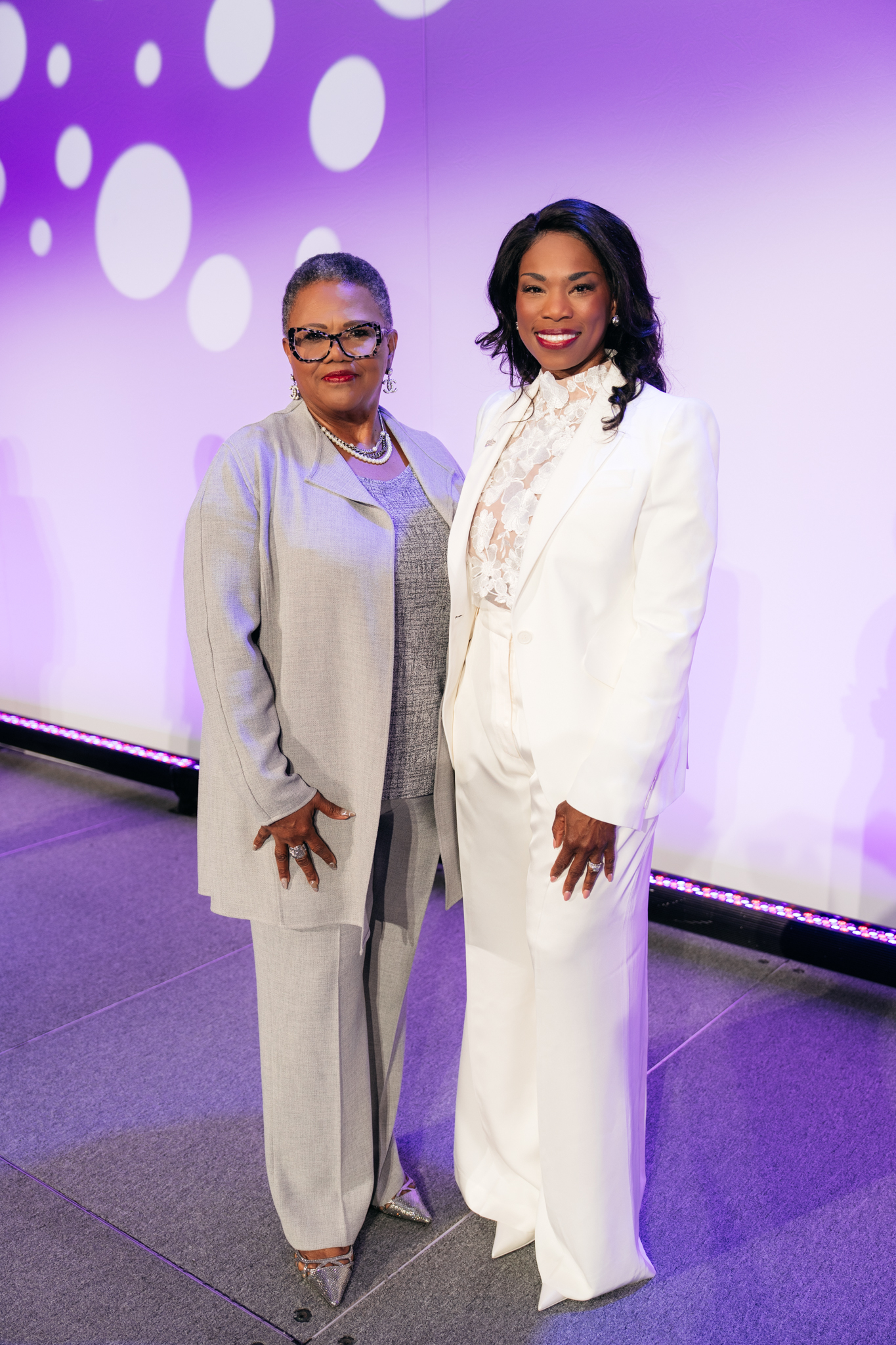
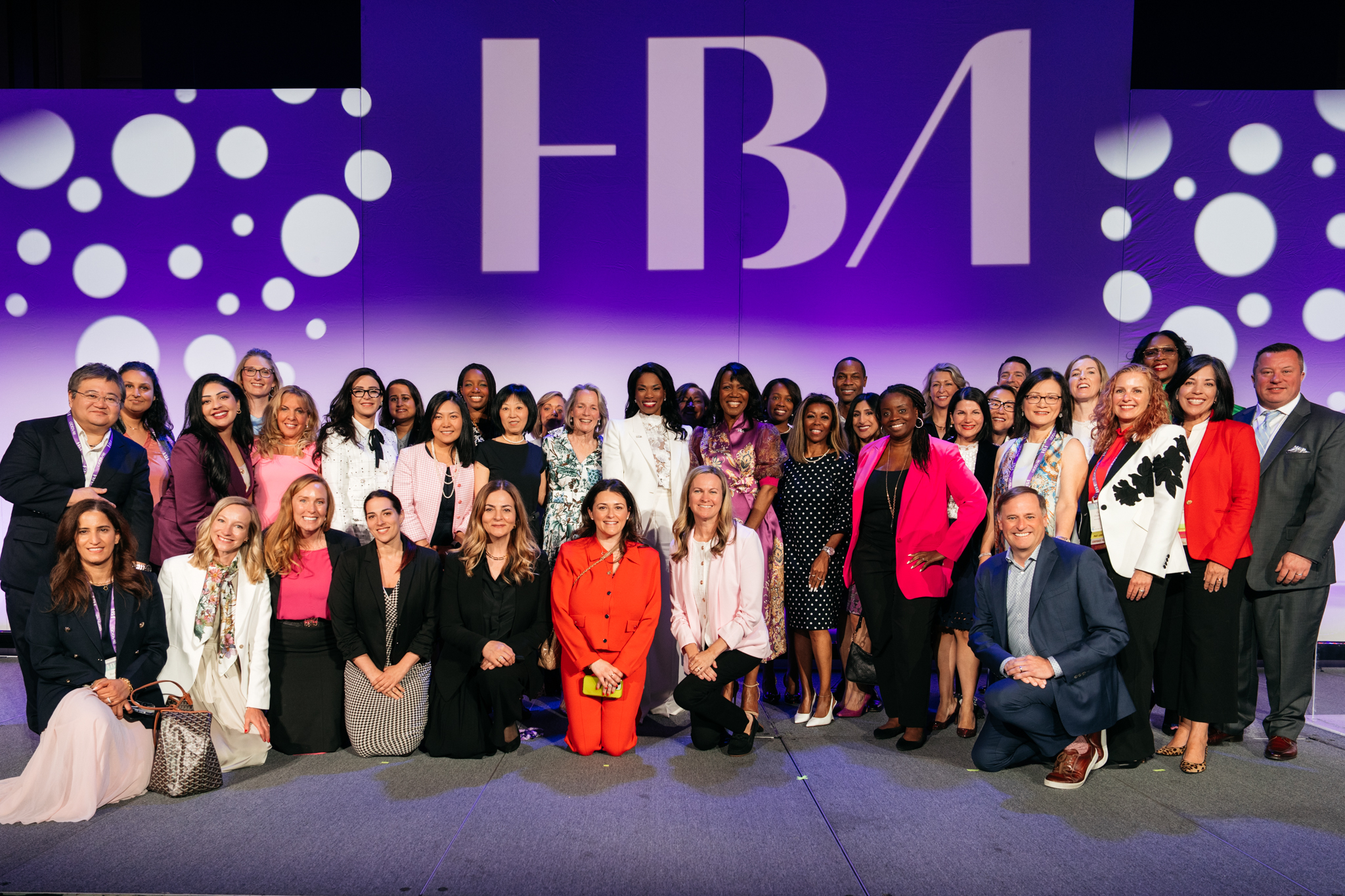
Reshema Kemps-Polanco (right) in white suit with mother at HBA professional event with purple backdrop
Reshema and her mother at the Healthcare Businesswomen’s Association Woman of the Year Event in May 2025.

My journey has been anything but linear. My early beginnings and the role models in my family were anchored in service to others. I joined the military through early enlistment as I was graduating from high school—a decision that quickly transformed me from a kid into an adult with a deep sense of purpose. As the daughter of a single mom, I enrolled in the military to help pay for college, but it quickly became a foundational experience that taught me invaluable lessons about service and leadership. 

If it was up to my mother, I would be in finance. She thought I should understand how to work with money. While I appreciated that, and I did eventually get an MBA, I was drawn to more human problems, so I changed my undergraduate major in college from finance to social work. That mindset is what led me to healthcare, where the impact is both human and scaled. 

Since then, I've taken some unexpected turns, including joining Novartis (twice!). I grew at the company in sales and marketing roles across therapeutic areas, including cardiovascular, osteoporosis and oncology. I spent several years at Johnson & Johnson rising to the level of President of one of their largest business units. When I came back to Novartis in 2021, I had the privilege of leading our US Oncology organization and was proud to be a part of a successful turnaround that reignited growth, restored performance and revitalized the team’s energy around purpose and execution. Now, as CCO in the US, I oversee the expansion of our medicines across our four core therapeutic areas: oncology, immunology, neuroscience and cardiovascular, renal, and metabolic.  

No matter what I'm working on, I approach every challenge and opportunity with the same question: How can we make life better for patients, and what will be different because we were here? That mindset keeps me grounded in what really matters. When you're focused on improving patient outcomes and making a real difference in people's lives, it's not just a job, it's a calling. 

I often think about my unique position in creating the right conditions for teams to achieve something exceptional in service of patients. The idea that our work can extend and improve people’s lives—that’s something worth getting out of bed for. 
2. Tell us more about your role as Chief Commercial Officer of Novartis US. What are you focused on, and what drives you?

As CCO, I lead and oversee the end-to-end commercial strategy and integrated operations for the product portfolio. This includes allocating resources to support the clinical adoption of innovative medicines aimed at improving patient outcomes, while also ensuring the generation of shareholder value. 

Over the past four years, I’m proud to share that we have launched more than 20 new medicines and indications that advance standards of care and delivered double-digit growth.

But success in our industry extends beyond just developing medicines—it means ensuring these breakthroughs actually reach the patients who need them. Understanding patients' lived experiences is crucial to this mission—a truth that became abundantly clear to me through my own experience. 

I lost my best friend of 30 years, Dinisa, to metastatic breast cancer. She was just 48 years old, one day apart in age from me. I always said if I had a twin, it would have been her. Watching her navigate her diagnosis and treatment journey fundamentally changed me, gave me a new perspective about what the patient journey entails and solidified my personal purpose.

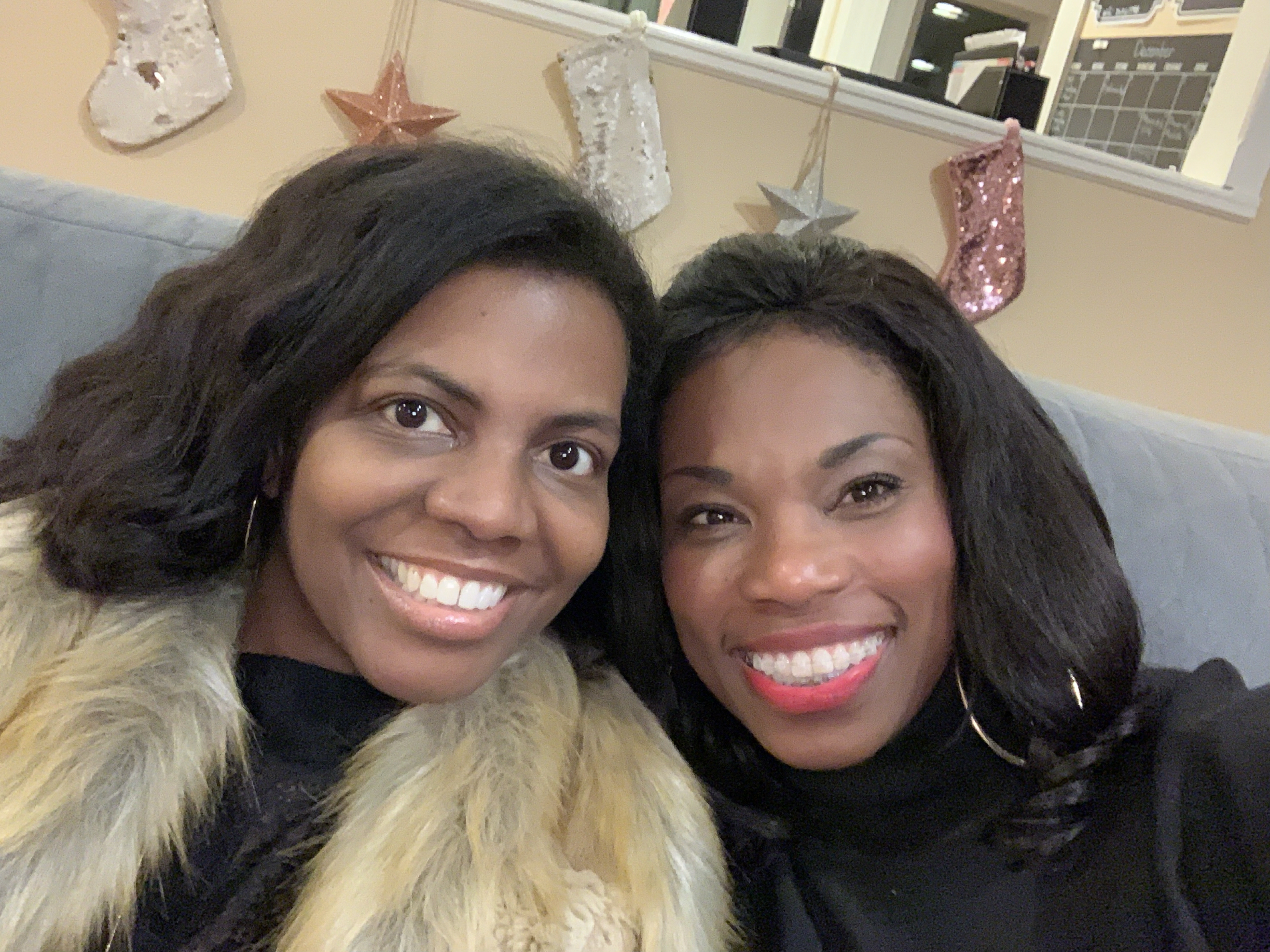
Reshema and Dinisa celebrating their birthdays together in December 2019. Dinisa passed away in June 2020.
Dinisa and Reshema celebrating their birthdays together in December 2019. Dinisa passed away in June 2020.

Dinisa’s story motivates me every day, serving as a powerful reminder of the real-world challenges many patients face. Through our work within the industry and cross-sector partnerships, my hope is to democratize outcomes for patients—helping to ensure that every patient, regardless of where they live, has access to quality healthcare, resulting in healthier communities and a healthier society overall. 

We often talk about bringing “the patient in the room” from a place of empathy and urgency. We often ask each other: What decision would we make? How fast would we go, if a patient was sitting right here in this room? 

3. Can you share an example of how Novartis is breaking down barriers between healthcare innovation and community impact? 

Now more than ever, we are focused on turning awareness into action. Take breast cancer for example. Despite scientific advances in breast cancer treatment, only one in two eligible women receive their recommended screenings due to obstacles like time constraints, cost concerns and access issues.

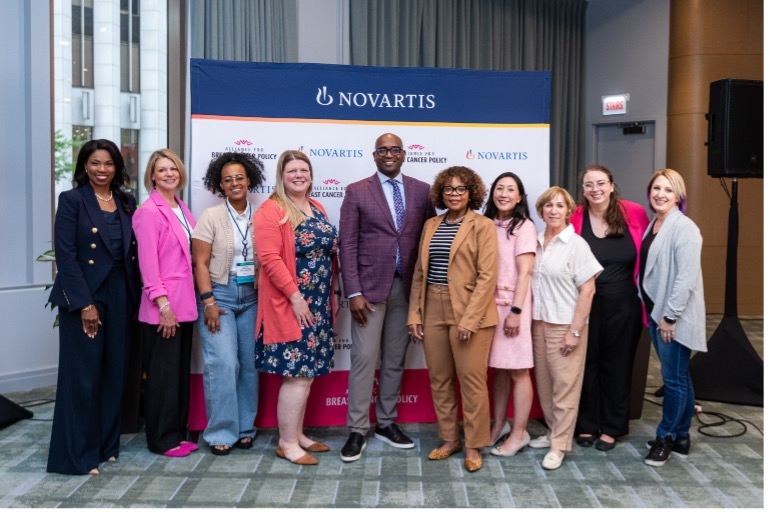
Leaders from Novartis, Susan G. Komen and other Alliance for Breast Cancer members gather at a reception at the 2025 American Society of Clinical Oncology (ASCO) annual meeting.
Leaders from Novartis, Susan G. Komen and other Alliance for Breast Cancer gather at the 2025 American Society of Clinical Oncology (ASCO) annual meeting.

That's why we're engaging in unconventional partnerships to reach people in new ways. Through our “Your Attention, Please” campaign, we’re empowering people to take control of their breast health and spark important dialogue around early detection and screenings. 

In partnership with Susan G. Komen, we also launched the Alliance for Breast Cancer Policy, focused on advancing patient-centered policy solutions to help improve outcomes for breast cancer patients.  This includes advocating for the Access to Breast Cancer Diagnosis Act to ensure diagnostic testing isn't cost-prohibitive—particularly critical for younger individuals and communities of color who often need additional screening due to dense breast tissue.

These partnerships represent a new model of collaboration that combines scientific innovation with community-based action to create meaningful, lasting change for our communities. And this is only the beginning. 

4. You’ve made developing future leaders a priority. Why does career sponsorship matter, and what’s your go-to career advice? 

My mother’s words, “to whom much is given, much more is required,” serve as a guiding principle for me. This is more than just a saying—it's a responsibility that I carry with me every day. 

Reshema is joined by Novartis colleagues after delivering her Healthcare Businesswomen’s Association “Women of the Year” speech in May 2025.

We all know about mentorship in the workplace, but “sponsorship” is more impactful. There’s one crucial distinction: Mentoring is free, but sponsorship costs you something. It requires putting your own credibility on the line for someone else. To me, it’s not just about giving advice, but also lifting someone up, advocate for them, and help them be seen. One of the most fulfilling aspects of leadership is helping people discover their own superpower—then making sure they have the opportunity to use it. When someone realizes their full potential, their confidence builds and they become unstoppable.

I often tell others: The room you are in is not by chance. The seat you have is no coincidence. The space you occupy is uniquely yours—what will you do with it? Many times, our purpose and our power are discovered in adversity, when we're pushed toward something bigger than ourselves. That's what transforms us.

My advice? Don’t just chase success. Chase significance. Titles can come and go, success is non-linear, but making a real difference in people’s lives is what sustains. Success is a lagging outcome of doing something significant.

5. Looking ahead, what excites you most about the future of healthcare?

We sit at a remarkable intersection of human understanding and scientific possibility. We’re seeing exciting opportunities to treat diseases that once seemed insurmountable, unlocking new frontiers in medicine such as radioligand therapy to treat solid tumors, innovating in rare renal diseases, gene therapies for debilitating neuromuscular conditions and SiRNAs to treat cardiovascular disease. These advancements have the power to transform treatment landscapes for patients and the clinical teams who care for them.

But what truly energizes me is how we can harness these innovations to solve real human challenges. Whether it's making early detection more accessible, personalizing treatment approaches, or breaking down systemic barriers to care—there's never been a more promising time to be at the forefront of healthcare transformation. 

Yes, our industry is complex. But that complexity comes with unprecedented opportunity to improve and extend people’s lives. That's why, even after 25 years, I wake up every day excited about the possibilities ahead. There’s nowhere else I’d rather be. And while we've made incredible progress in recent years, the best innovations—and their power to transform lives—are still to come.