
Five Questions with Des Creary, Novartis US Chief Customer Engagement Officer

In this interview, Des shares his perspective on why it is important we work to better support healthcare practitioners who help treat our patients, and why real innovation resides in people as much as it resides in products.

Mar 06, 2026

1. Your career journey spans pharma and technology. How has that prepared you for your current role leading Customer Engagement at Novartis US? 
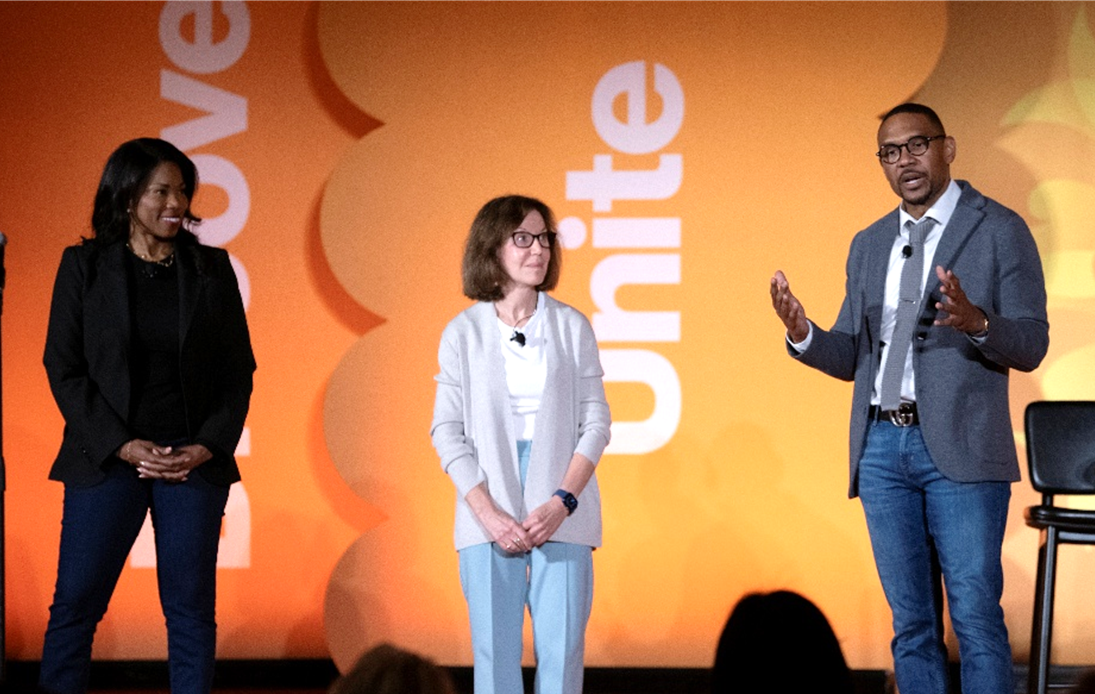
Des with other members of the Novartis US leadership team addressing the US leadership community.

I have never viewed myself as a “tech” or “pharma” leader. I am simply a leader who wants to lead with authenticity and purpose.

I started my career in pharma at GSK before pivoting to technology at Microsoft as their Americas Health Lead. My time at Microsoft instilled a deep drive for customer centricity, innovation, and agility. It taught me the importance of staying ahead of trends in both cutting-edge technology and medicine. It also shaped my perspective on innovation. Real innovation resides in people as much as it resides in products —how prepared we are, how quickly we make decisions, how agile we are with change, and how we work together. 

New medicines can only make a difference if they reach appropriate patients. Our customer engagement organization, along with the rest of our field-based teams, serves as the critical last mile in the process of discovering, developing and delivering medicines.

- Des Creary, Chief Customer Engagement Officer at Novartis US

At the end of the day, technology doesn't belong only to tech companies and medicine doesn't belong only to doctors. We need to strengthen the muscle no matter where we work, building on what we know and learning what we don’t. 

I rejoined pharma with Novartis in 2022 at a pivotal time for the company. We’re not only innovating with our science but also in the way we commercialize these treatments, while at the same time helping shape the broader healthcare ecosystem.
2. Tell us more about your current work as Chief Customer Engagement Officer at Novartis US. What role does your organization play in bringing innovation to patients? 

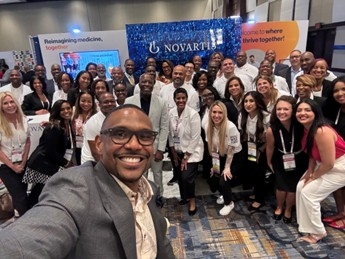
Des with members of the Novartis US Customer Engagement team at the National Sales Network.

As Chief Customer Engagement Officer, I lead our US Commercial sales organization across our therapeutic areas, working closely with customers (healthcare practitioners and treatment sites) to help them deliver medicines to appropriate patients in need. Our customer-facing teams not only drive growth for our US business today, but also fuel our future innovation by generating funds we reinvest in our R&D

New medicines can only make a difference if they reach appropriate patients. Our customer engagement organization, along with the rest of our field-based teams, acts as the critical last mile in the process of discovering, developing and delivering medicines. It is a privilege to lead this organization that serves as the face of our company externally, playing a foundational role in building trust with healthcare practitioners.

3. Why is a customer-centric approach important to driving better outcomes for patients? 

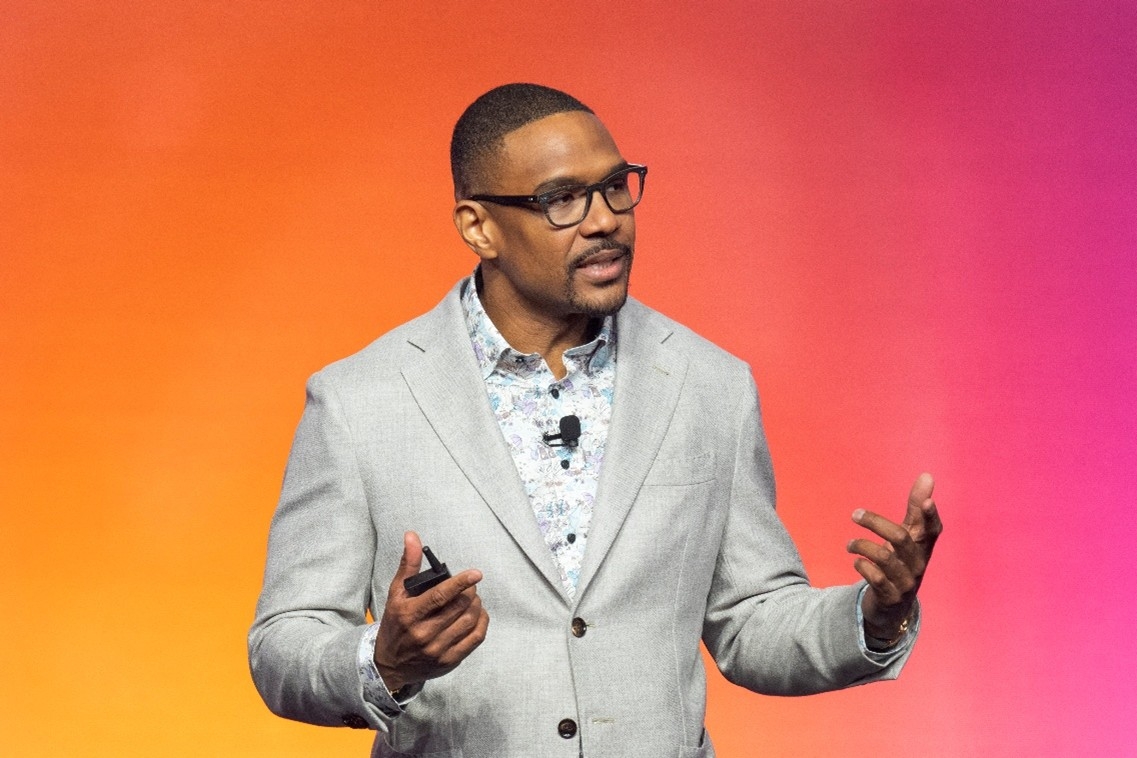
Des addresses Novartis US teams at our national field meeting.

Customers are the doorway to our patients. Millions of patients worldwide receive Novartis medicines every year. Our organization never meets the majority of these patients. But our customers meet them all. That’s why it’s essential we understand how our customers work, the barriers they face, and how we can better support them throughout the patient journey. When customers are better supported, they can take better care of their patients. 

Traditionally, field teams have focused on territories and geographies. A customer-first approach requires we organize around the customer’s needs and workflows instead. This shift has helped us bring truly disruptive treatments to the market at scale where the customer and treatment landscape are both unique and evolving. 

4. The healthcare landscape is rapidly changing, especially with AI. How are you preparing your teams for this change? 

No one can entirely predict what the future will look like. But we can prepare our teams to be ready for whatever comes their way.

AI is helping us gain a better view of the customer and driving targeted collaboration among field teams. The human element of trust will continue to remain important in customer interactions.

As field teams, we need to rethink not just how we go to market but also redefine how we support healthcare practitioners who care for patients. Are we supporting them through the entire patient journey? Are we factoring in all the barriers they and their patients face—not just clinical but also financial and logistical?

To what extent we thrive in this next chapter will come down to our culture. At Novartis, we are very intentional about not just upskilling our field teams but also helping them sharpen their business acumen, change and learning agility. I always say to our teamsour culture curve must come in above our tech adoption curve, and those two lines will never intersect.

5. Looking ahead, what is your vision for the future of customer engagement? 

Customer needs and expectations are rapidly evolving. At the same time, decreasing access to customers continues to be an industry-wide issue. As field teams, we need to rethink not just how we go to market but also redefine how we support healthcare practitioners who care for patients. Are we supporting them through the entire patient journey? Are we factoring in all the barriers they and their patients face—not just clinical but also financial and logistical? Are we merely addressing their needs or anticipating them?

It is no longer enough to meet customers where they are. The future is about getting to where our customers are headed, before they get there. Our ability to reimagine support for customers will determine the impact we’ll have for patients we ultimately serve.