When do conversations around breast health begin?
Formally, they often start in grade school, when lessons on puberty introduce the idea of developing breasts. But informally, the conversations are everywhere. They show up in rules about what young girls can and cannot wear, in dress codes and sports uniforms, in expectations around breastfeeding and motherhood, in fashion, media, and jokes that keep breasts in the spotlight while making them hard to talk about openly.
They surface in decisions about support and comfort, in intimacy, in fitness and pain, in aging and menopause, in the everyday negotiations women make with their own bodies.
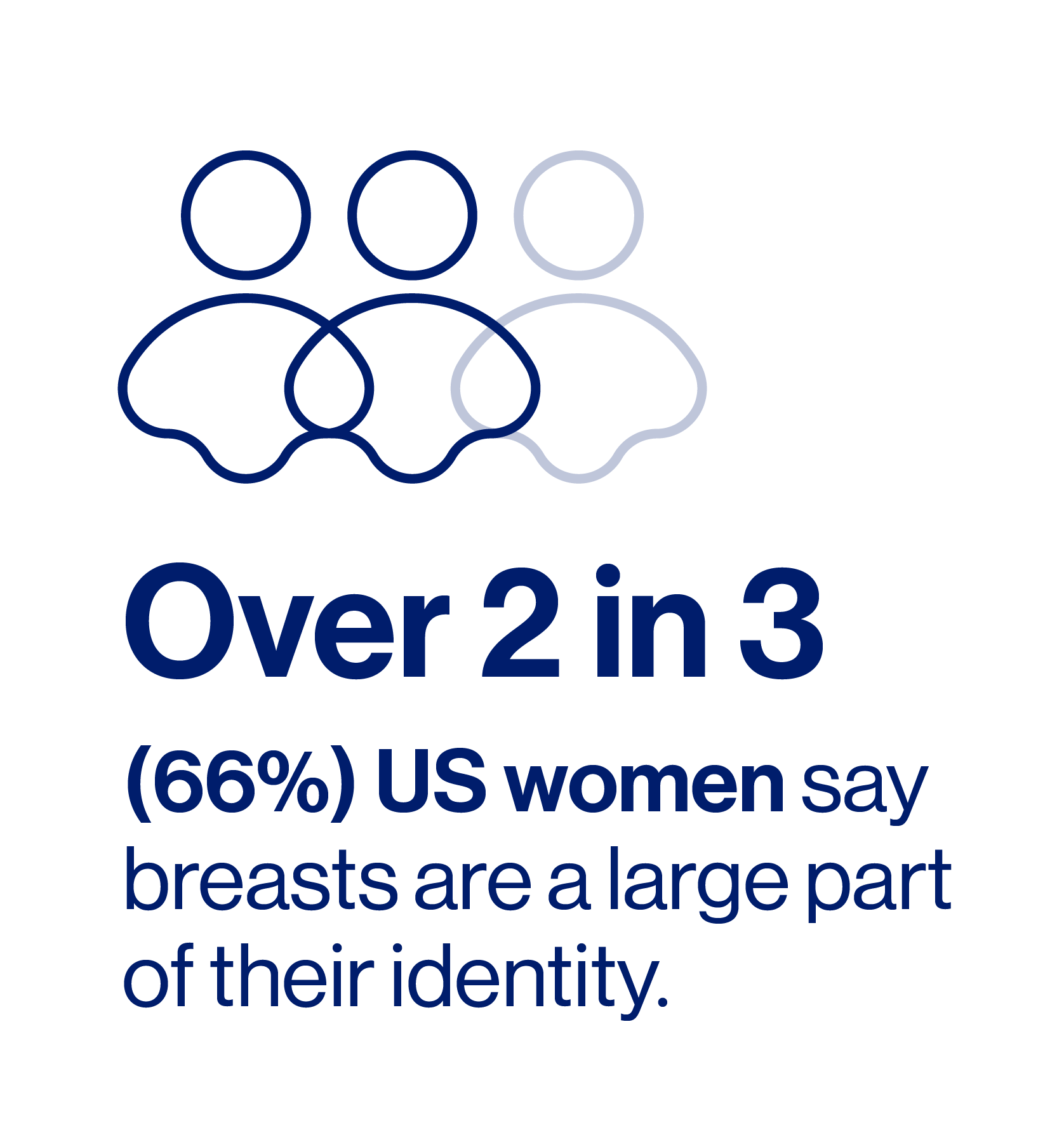
From an early age, these conversations begin shaping how women see their own bodies. They can influence confidence, self-image, and even how openly a woman feels she can talk about her health. And we know that how women feel about their breasts impacts how they take care of them.
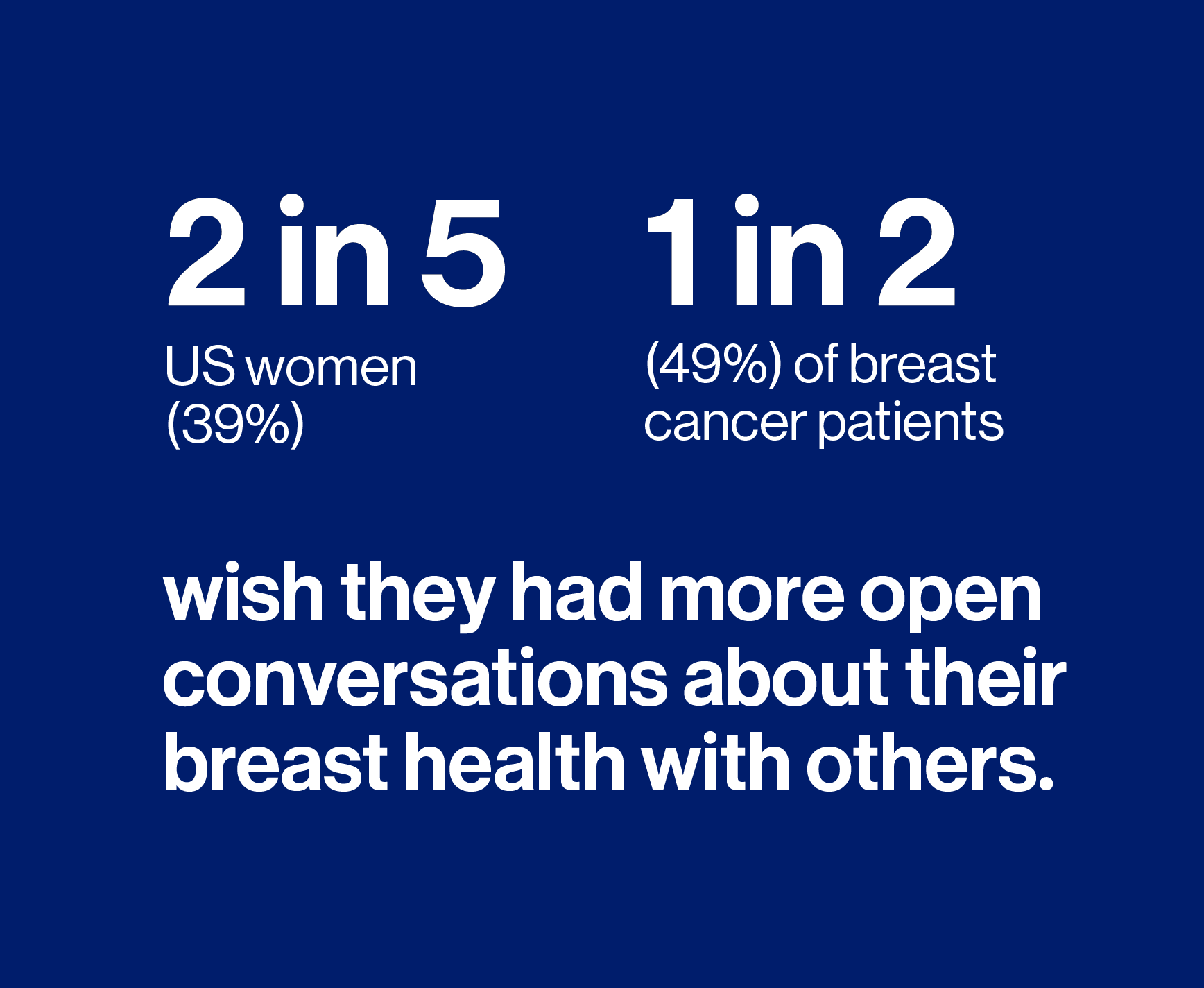
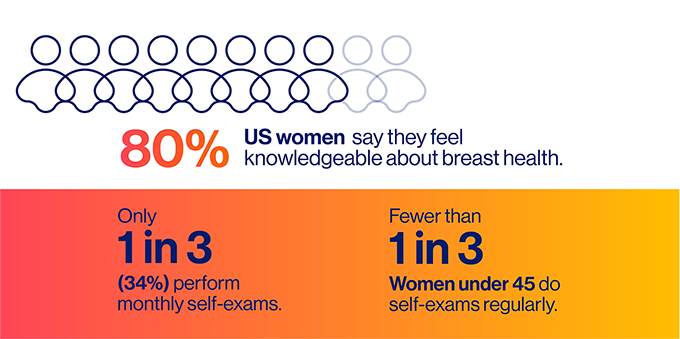
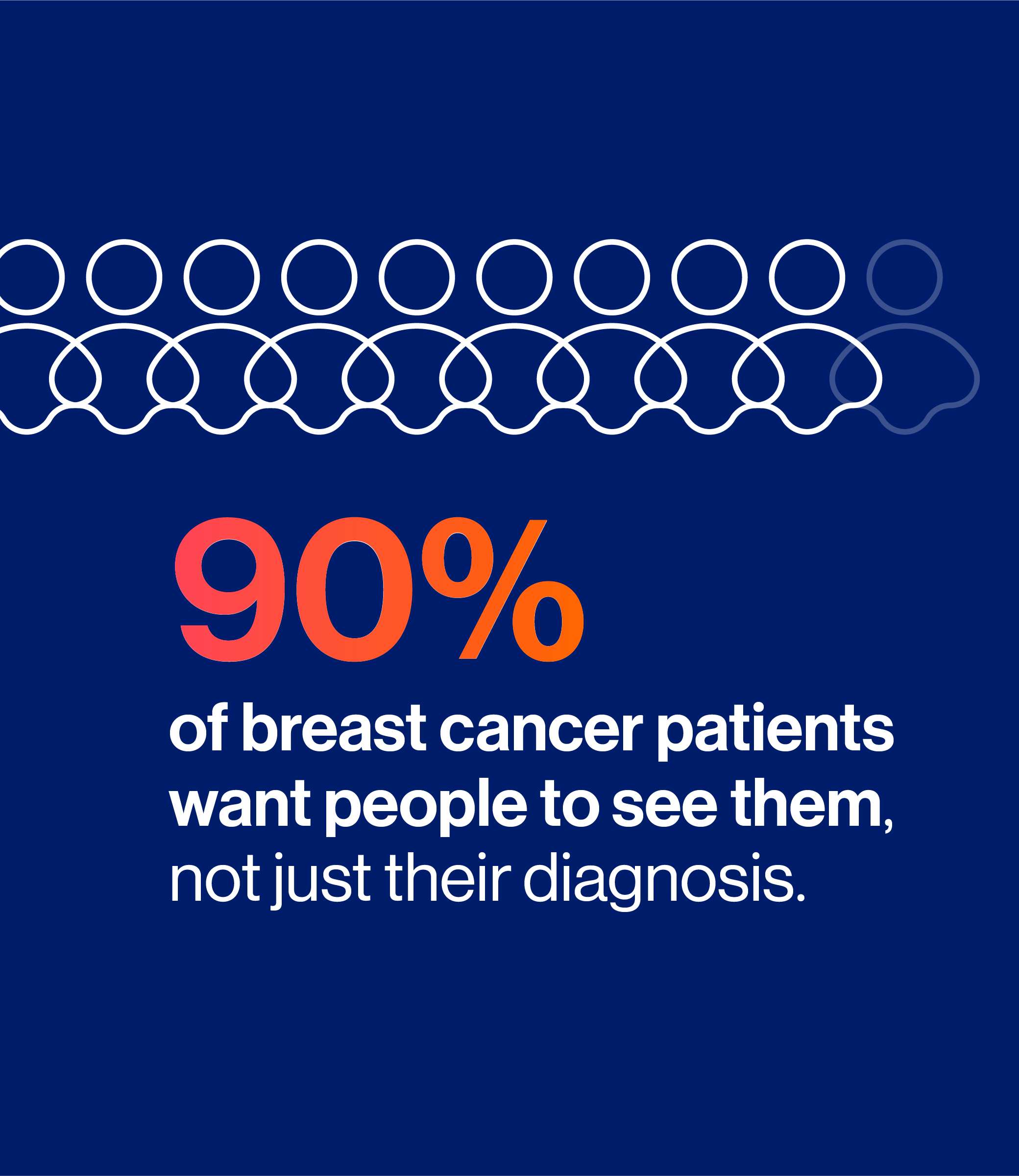
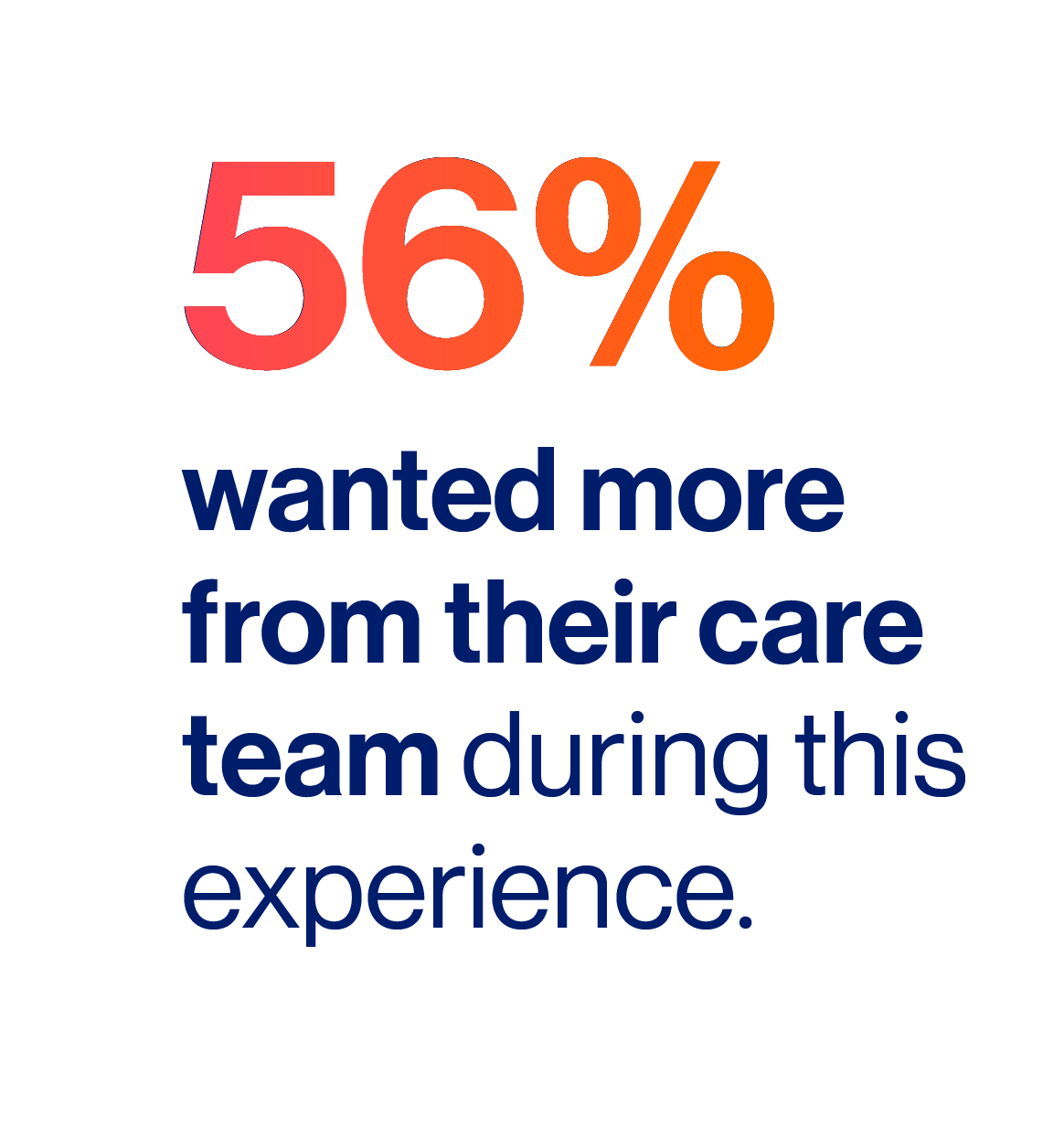
To better understand these realities, Novartis partnered with The Harris Poll to develop the Breast Health & Experience Index, a first-of-its-kind look at how more than 3000 women in the United States, both with and without breast cancer, think about, talk about, and care for their breast health. And as we learned, these feelings run deep.
The Index revealed common themes that highlight both what unites women in their experiences and what continues to be overlooked in conversations about breast health.