Innovating for America: How Our New RLT Manufacturing Site Can Help Ensure Continued On Time Delivery to Patients Now and in Future

As Novartis expands its manufacturing capabilities, our new Carlsbad facility will help deliver time-sensitive cancer treatments to patients, meeting future demand.

By Caleigh Findley, PhD | Dec 02, 2025

The morning fog was just lifting from the Carlsbad hills when guests arrived at the Novartis facility on November 10. Local officials, health care advocates, and Novartis leaders gathered as the opening ceremony of our new radioligand therapy (RLT) manufacturing facility drew closer.

The opening of this new Carlsbad facility marked the company’s third RLT manufacturing site in the United States, a specialized plant designed around the unique challenges of manufacturing and delivering innovative cancer treatments that have just days before they lose their potency. 
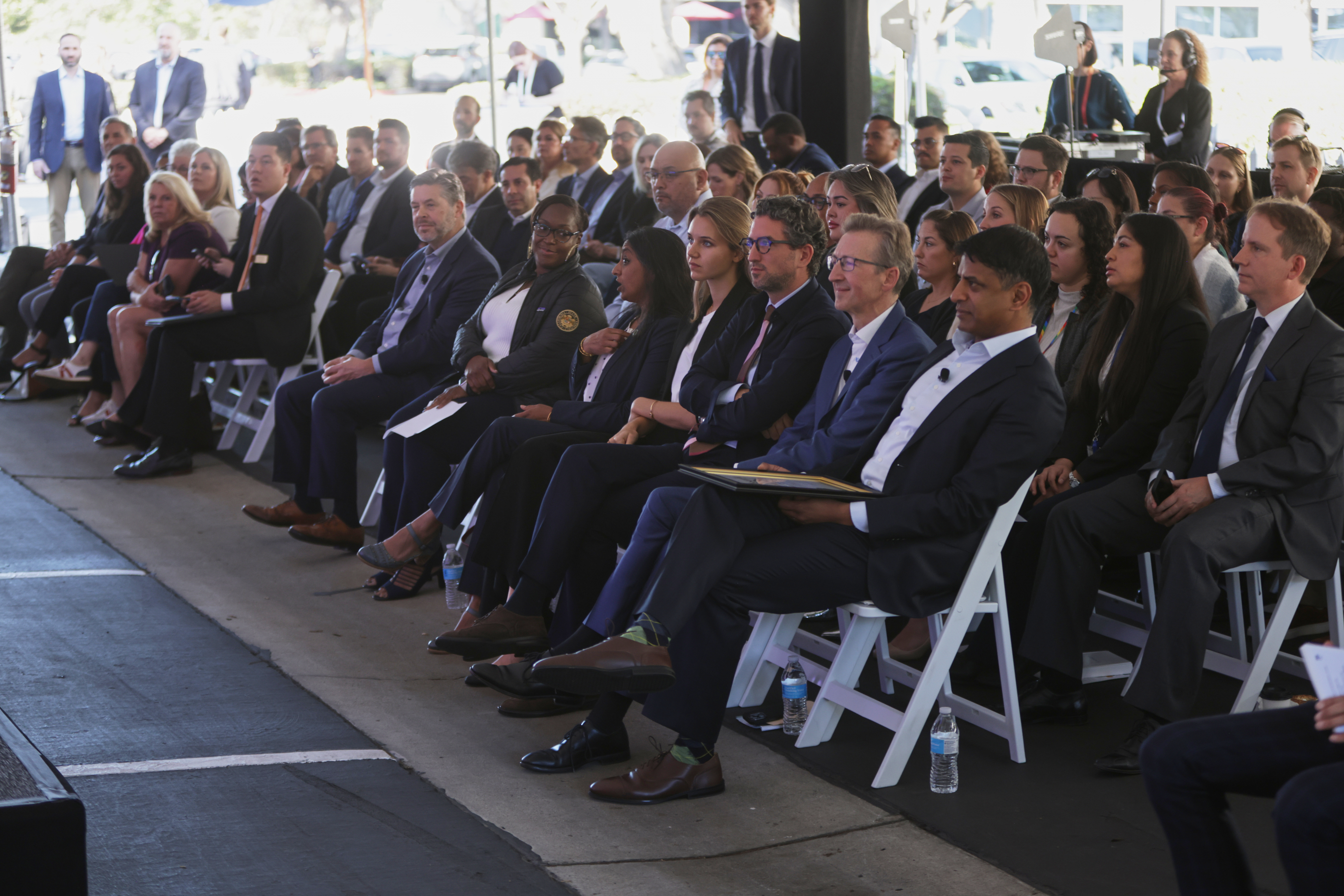
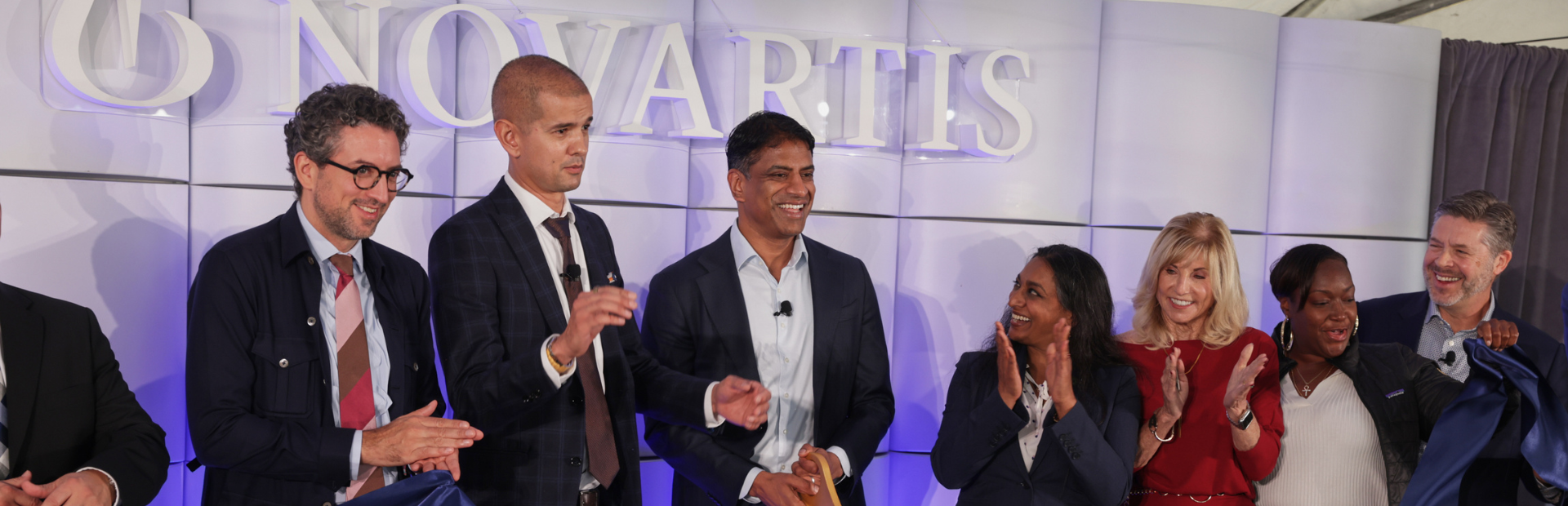
Attendees at the Carlsbad ribbon-cutting to celebrate the launch of the new site.

“At Novartis, we tackle the toughest challenges in medicine by doing what’s never been done before for patients,” said Vas Narasimhan, CEO of Novartis. “Radioligand therapy is a breakthrough we’ve unlocked at scale, made possible by reimagining how innovation reaches patients. As the global leader in RLT for more than seven years, we’ve advanced this technology with a deep belief in its power to transform cancer care.”

Novartis is the only pharmaceutical company with a dedicated commercial RLT portfolio, and the Carlsbad facility is purpose-built to manufacture the company’s FDA-approved RLTs with capacity for future expansion.

Behind the glass doors, clean rooms and automated systems are ready to begin producing medicines that will travel from Carlsbad to cancer centers across the Western United States, Alaska, and Hawaii – each dose custom-made for a patient.

What is Radioligand Therapy? 

RLTs are a form of precision medicine that combine a tumor-targeting molecule, called a ligand, with a therapeutic radioisotope, enabling the delivery of radiation to a tumor while limiting damage to surrounding cells. 

Because each RLT dose is custom-made and time-sensitive, due to a radioactive half-life that is measured in hours, proximity to treatment centers and transit hubs can help ensure patients receive their treatment when and where they need it.

Novartis CEO Vas Narasimham greeting an attendee at the launch of the Carlsbad manufacturing site.

At Novartis, we tackle the toughest challenges in medicine by doing what’s never been done before for patients,” said Vas Narasimhan, CEO of Novartis. “Radioligand therapy is a breakthrough we’ve unlocked at scale, made possible by reimagining how innovation reaches patients. As the global leader in RLT for more than seven years, we’ve advanced this technology with a deep belief in its power to transform cancer care.

How We're Reaching Patients

For years, Novartis has been a leader in radioligand therapy. The technology behind RLT is remarkable: tiny radioactive molecules that target and destroy cancer cells like guided missiles.

The catch? RLT manufacturing operates on biology's timeline. Therapies have just a three- or five-day window to get from production to a patient. After that, the radioactive materials decay too quickly to be effective.

That provided an opportunity to more efficiently reach patients in the Western United States: With over 670 RLT treatment sites nationwide, about 90% of patients live within 30 miles of a location that can administer these therapies. However, for patients in Western states and beyond (especially those in more remote areas), the shipping window from East Coast manufacturing facilities was tight. 

The Carlsbad facility helps solve that equation. As the company’s third RLT site in the US, the expanded manufacturing footprint enables Novartis to deliver these precision medicines to meet future demand and ensure continued on-time delivery across the Western United States, Alaska, and Hawaii. 

When you're a patient waiting for a dose, on-time delivery makes all the difference.

How Different This Treatment Really Is 

Walk through most pharmaceutical plants and you'll see batch production on 30-day cycles. Make the medicine, test it for a month, and release it to distribution centers where it may be weeks before it’s scheduled to be delivered to patients.

RLT requires a different process. The urgency changes everything about how the facility operates. RLT manufacturing attracts a particular type of worker—those who thrive under pressure and understand that precision is about more than quality metrics. It's also about the cancer patient who needs this exact dose on this exact day within this precise window. 

Read: How This Former Army Officer Helps Deliver Cancer Treatments to Patients, Through Hurricanes and Beyond

The Carlsbad team joins a network of Novartis manufacturing facilities that spans four sites, three countries, and two continents. They share real-time data, troubleshooting protocols, and the hard-won expertise of teams who have years of experience and know-how when it comes to manufacturing hope on a deadline.

Expanding Our Manufacturing Capabilities Across the United States

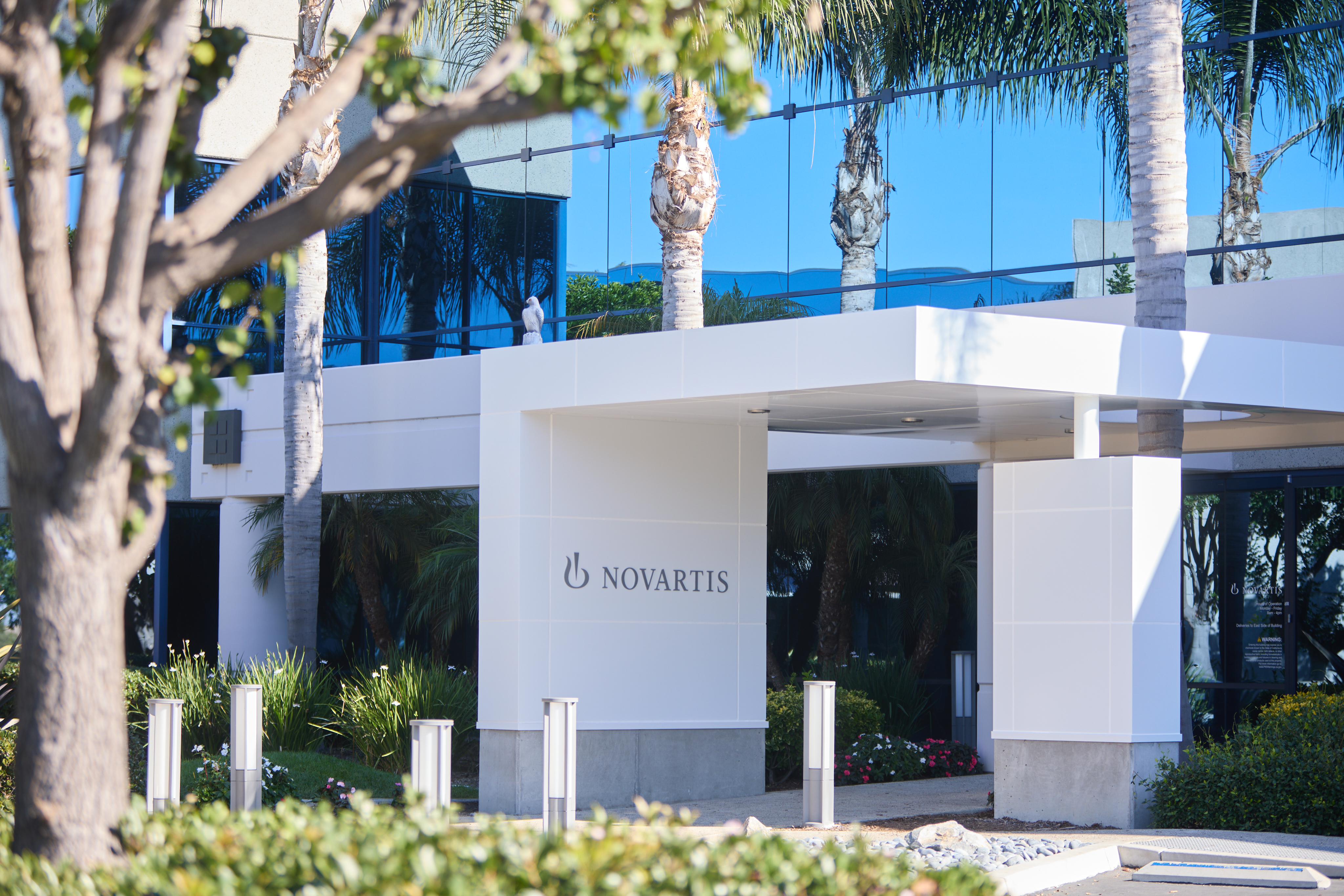
Our Novartis plant, where we will manufacture radioligand therapies to reach patients across the Western US.

The Novartis Carlsbad opening is the latest milestone in the company’s largest-ever US investment: $23 billion over five years to expand American manufacturing and research infrastructure. The goal is ambitious, ensuring that all key Novartis medicines for US patients are made domestically, from start to finish.

For RLT specifically, this means two additional facilities are coming in Florida and Texas, plus expansions at existing sites in Indianapolis, Indiana and Millburn, New Jersey. It means bringing radioisotope production in-house at the Indianapolis facility and building the capacity to serve growing demand at each site.

Novartis has been building its California presence for more than 25 years, starting with the Genomics Institute of the Novartis Research Foundation in San Diego back in 1999.

Read: Designing for the Future: The Next Era of Biomedical Research in San Diego 

Since then, Novartis has acquired biotech companies with San Diego roots, each time deepening its connection to California's life sciences ecosystems. So when it came time to choose where to put another US facility for one of our most time-sensitive manufacturing processes, California made sense. 

The infrastructure and talent were there. And most importantly, so were the patients.

What Comes Next

By the time the ribbon-cutting concluded, the Carlsbad facility was poised to transition into operational mode. Over the coming weeks, production teams will run validation batches, fine-tune processes, and prepare for the moment when the first commercial dose will begin its journey to a patient.

The facility represents something larger than expanded manufacturing capacity: It's a bet on American innovation, on the idea that breakthrough treatments should be made where patients need them, when they need them. 

Learn more

To learn more about our manufacturing expansion in the US, visit: Investing in America’s Health | Novartis United States of America