
For patients dealing with prostate cancer, especially an advanced stage diagnosis, some of the most critical moments happen outside the clinic, between visits where decisions, emotions, and everyday realities collide. These are the times when patients and families often feel alone, facing uncertainty, fear, and practical burdens. In these moments, patients require more help from experts who know how to help them navigate these challenging times.
How Social Workers Can Make a Difference for Advanced Prostate Cancer Patients
In the complex journey of advanced prostate cancer, care doesn’t just happen in the clinic. It includes everyday emotional and practical challenges patients and families face. Social workers help bridge these gaps.
Sep 17, 2025

Waiting for the next test results or doctor’s appointment, balancing daily responsibilities, and carrying the weight of fear and anxiety. It’s those spaces where we have a real opportunity to make a meaningful difference in someone’s life.
—Linda Mathew, DSW, MSW, LCSW-R
"When someone is living with advanced prostate cancer, they’re living in the time caught in the in-between,” says Linda Mathew, DSW, MSW, LCSW-R, an oncology social worker and President of the Association of Oncology Social Work (AOSW). “Waiting for the next test results or doctor’s appointment, balancing daily responsibilities, and carrying the weight of fear and anxiety. It’s those spaces where we have a real opportunity to make a meaningful difference in someone’s life."
While these in-between times can feel isolating, they also present opportunities for a holistic care team to make a real difference. Social workers play a crucial role in these moments, bridging the gap between medical care and daily life.
As cancer diagnostics and treatments become more advanced and accessible, the support and guidance social workers provide are more important than ever. Sometimes introduced by the healthcare team or requested by patients, social workers not only offer emotional and practical support, but also provide insights that can improve delivery of care for the entire team.
We know that treating advanced prostate cancer requires more than just medical advances—it demands a community-wide commitment to improving care on every level. ZERO Prostate Cancer’s Blitz The Barriers campaign does just that. In this three-year initiative, Novartis, as a Lead Founding Partner, works closely with community partners such as national organization AOSW to bring critical perspectives on the role of social workers in prostate cancer care.
How Social Workers Meet Needs in Places Medicine Can’t Reach

Social workers engage closely with patients and families, taking into account values, family dynamics, and cultural backgrounds—factors that deeply influence care decisions and experiences. Comprehensive assessments by social workers help identify barriers to care that can otherwise go unnoticed.
Patients with advanced prostate cancer may face a range of challenges: financial hardship, limited access to care, health literacy issues, language, cultural stigma, or mistrust of the healthcare system. These systemic barriers are especially profound in underserved communities, where delays in diagnosis can lead to poorer outcomes. Through Blitz The Barriers, Novartis and community partners are taking action to meet these challenges head-on.
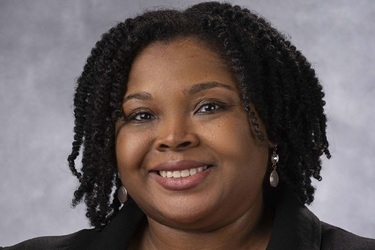
Real-time communication bringing attention to areas of concern, such as missed appointments or any possible gaps in understanding, is both critical and core to what we do, whether it’s gaps the patient and their family are experiencing or gaps from the medical team’s standpoint.
—Kendolyn Shankle, LCSW-S
“Real-time communication bringing attention to areas of concern, such as missed appointments or any possible gaps in understanding, is both critical and core to what we do, whether it’s gaps the patient and their family are experiencing or gaps from the medical team’s standpoint,” explains Kendolyn Shankle, LCSW-S, an oncology social worker and AOSW member.
From advocating for financial assistance programs to assisting with community-based support for housing or transportation, social workers help patients and families overcome the barriers that stand in the way of quality care.
Oncology social workers address a full spectrum of patient and familial needs, including:
Supporting patients’ mental and emotional health by acknowledging feelings of anxiety, depression, anger, and fear
Serving as advocates during doctor’s visits, care team meetings, and survivorship clinics
Guiding families and care partners through difficult conversations and fostering healthy coping skills
Providing anticipatory support for what comes next, for care partners and loved ones of all communities
And oncology social workers need advocates themselves: While most oncology social workers report they are integrated into interdisciplinary medical teams, 1 in 4 do not feel integrated according to a national survey published in the Journal of Psychosocial Oncology, revealing room for greater recognition and involvement.1
How Collaboration Drives Care

We know patients weigh care decisions presented in the clinic at home with their families. These ongoing conversations are where the collaboration between social workers and clinical teams becomes essential.
"Having social workers present for new patient visits, multidisciplinary rounds, tumor boards, and survivorship clinics are all places that can help patients feel empowered to ask for help—and, eventually, become active participants in their care plans," says Shankle.
Social workers’ regular check-ins often uncover emotional distress or hesitation that might not surface during clinical visits. With social worker input, the care team can respond more empathetically and effectively. "There’s silence around suffering, and mental health is often sidelined in prostate cancer. Many patients do not have the language to express fear, grief or changes in sexuality, or to talk openly to their partner about side effects,” explains Mathew.
Social workers also help patients understand treatment options and advocate for tests like biomarker screening, ensuring patients are aware of what might be available to them. Involvement from social workers can ignite more informed conversations within the small communities patients naturally form while waiting for appointments.
From integrated healthcare teams to initiatives like Blitz The Barriers, meaningful care often happens in the spaces between clinical and personal milestones. Through early and ongoing collaboration, social workers fill the critical spaces that medicine alone cannot, empowering patients living with advanced prostate cancer to redefine care on their own terms.
While advanced prostate cancer can be overwhelming to navigate for patients and their families, social workers can bring clarity and comfort. Anyone navigating a prostate cancer journey—whether as a patient, loved one, or provider—should consider connecting with an oncology social worker. It’s a relationship that can make all the difference.
With our commitment to innovation and advocacy for all prostate cancer patients, it’s a relationship we’re proud to support.
Visit Blitz The Barriers to learn more about how Novartis, AOSW, and other community leaders are working together to address challenges in prostate cancer care.
Reference
Perlmutter EY, Herron FB, Rohan EA, Thomas E. Oncology social work practice behaviors: a national survey of AOSW members. J Psychosoc Oncol. 2021;40(2):137-151.