Fighting Non Communicable Diseases (NCDs)

In India, there are estimated 77 million people above the age of 18 years are suffering from diabetes (type 2) and nearly 25 million are prediabetics (at a higher risk of developing diabetes in near future). More than 50% of people are unaware of their diabetic status which leads to health complications if not detected and treated early.[1]There is an increase in prevalence in diabetes and hypertension in the adult urban population in India. This project aims to tackle this issue in the poor urban communities of Mumbai, Maharashtra. 
 

This has evolved from just a screening program to impacting health behaviors of people living with diabetes and LDL-C. The idea is that building good habits and continuous tracking and monitoring will result in better health outcomes - preventing loss of workdays and higher productivity.

We started the journey with screening. Those that are positive receive counselling, follow up visits and behavioral change communication. We support them with lifestyle changes, encourage consistent testing and recommend follow-ups with their doctors. 


240,000

People screened over 4 years

~70%

People have improved their health parameters

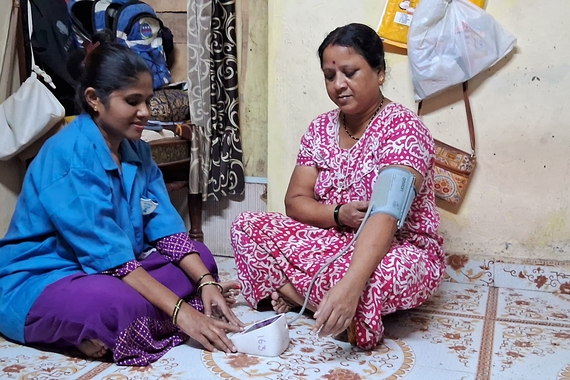
Woman checking her blood pressure

Committed to a healthier self

Smita, a 45-year-old woman was struggling with diabetes and a high blood sugar level (~300mg/dl) due to her lifestyle and lack of knowledge about proper disease management. She did not follow her medication regimen consistently, overlooked the importance of a healthy diet and physical activity, and her financial issues hindered her from accessing regular health check-ups. Through the interventions of the NCD program, the Arogya Mitra educated her about the severity of her condition and importance of proper diabetes management.

Smita thereafter adopted a healthier lifestyle encompassing regular medication through the mobile health clinic van, balanced diet and exercise. These changes helped reduce her HbA1c levels and gain better control of her blood sugar levels which further dropped to 114 mg/dl. This not only improved her health but also her ability to manage household tasks and spend time with family. (Disclaimer: Names of the people concerned in the case studies have been changed)