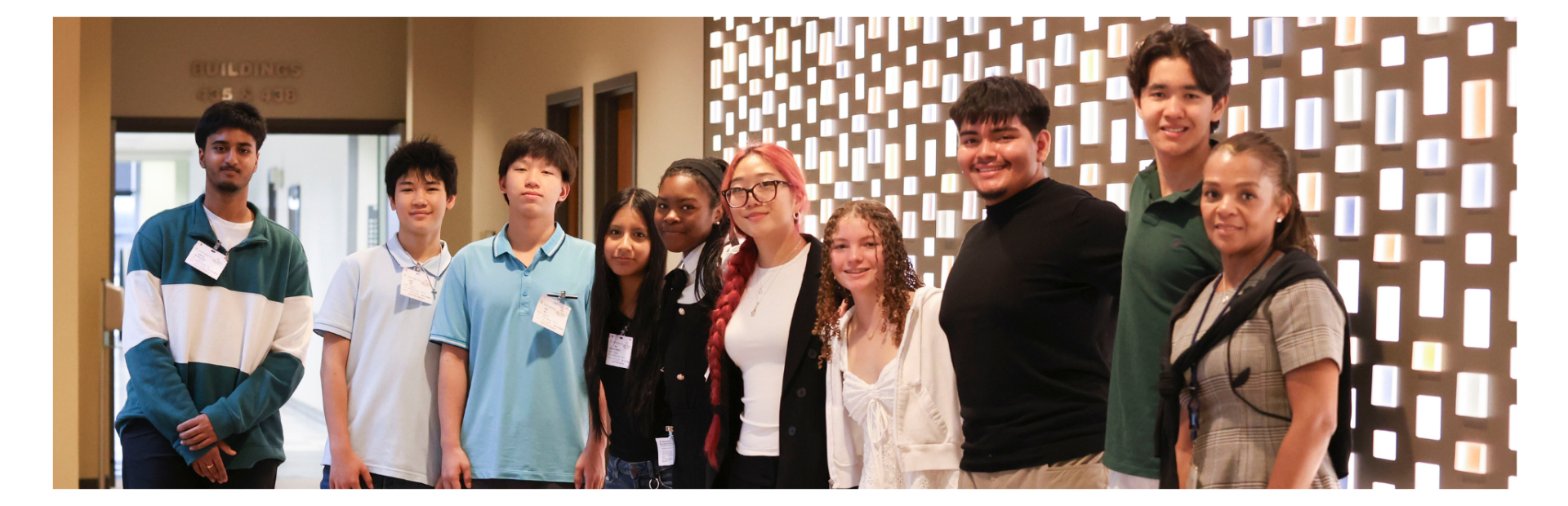
The right opportunity changes lives. That’s why Novartis created the Teen Corporate Mentoring Program 27 years ago. Since its inception, the program has transformed educational journeys and career trajectories for thousands of students in the United States with powerful events that blend mentoring, career coaching, innovation, and inspiration.
This year’s focus: Learning how AI can advance healthcare
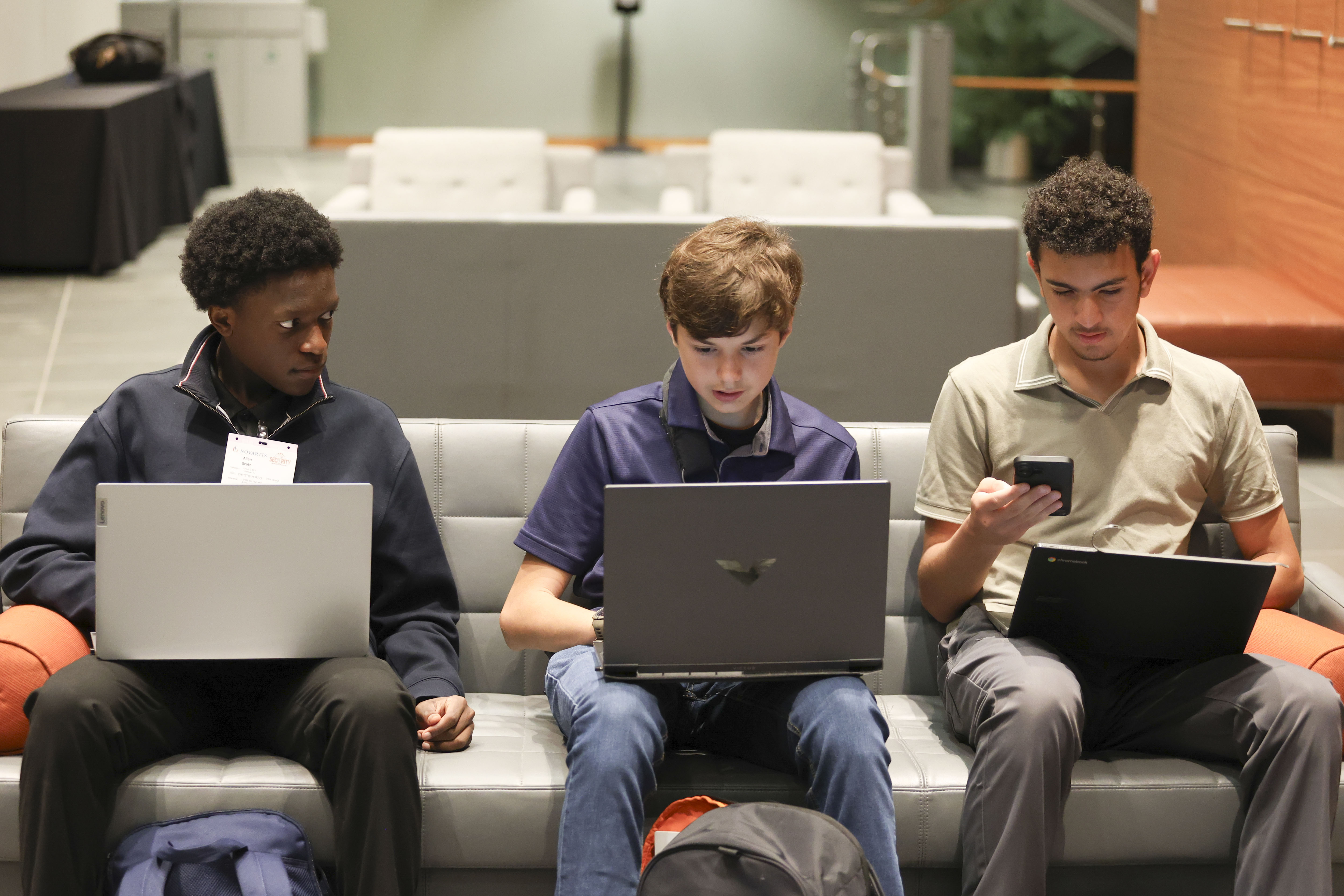
This year, students from neighborhoods throughout New Jersey and beyond took part in the annual two-day event on Novartis’ East Hanover campus. At the heart of the event was the opportunity for participants to work in teams to develop and present AI-powered solutions that addressed real-world challenges in healthcare in a final PowerPoint presentation.
“The most exciting part of the program is watching the teams work together and present their projects to company leaders,” says Jason Landy, a Senior Sales Specialist, Cardiovascular, renal, metabolic, who was a coach at the event this year. “Students learn important skills like teamwork, communication, and public speaking.”
The student participants, who are in 8th through 12th grade, began working with their teams virtually two weeks before they met in person at the event—a vital lesson in the importance of working collaboratively with others that will serve them throughout their lives, explained Sharon Jenkins Smith, an Associate Director for Autoinflammatory Diseases.
“The technology is a no-brainer for them, but we really drove home the point for them this week that human connection, even in an AI world, is going to be critical,” said Jenkins Smith. “The ability to think critically is going to be critical.”
Exploring future careers in healthcare — and meeting real scientists
Additionally, participants learned about the array of careers available at Novartis, from research and development to marketing and communications—which helps “broaden their view of what is possible,” explains Kejal Jadhav, a Director in the US Commercial Rotation Program who coached participants at this year’s event.
Many students have limited exposure to careers in healthcare, biotechnology, and the life sciences. The program gives them access to professionals, experiences, and perspectives that can help shape future academic and career decisions.
— Kejal Jadhav, Director, US Commercial Rotation Program, who was a Novartis coach at the event
“Many students have limited exposure to careers in healthcare, biotechnology, and the life sciences,” he explains. “The program gives them access to professionals, experiences, and perspectives that can help shape future academic and career decisions.”
To date, nearly 2,700 students have participated in the program; 85% of them pursued higher education after graduating from high school. In many cases, their time with TCMP inspires their career choice.
Take Abigail Higgins. The current college freshman attended the program twice as a high schooler and is now pursuing her degree in occupational therapy.
“It was very empowering to be a part of the Novartis mentorship program, because it provided me with insights on what working in pharmaceuticals and healthcare truly looks like,” remembered Higgins.
Taking center stage: The opportunity to present their ideas
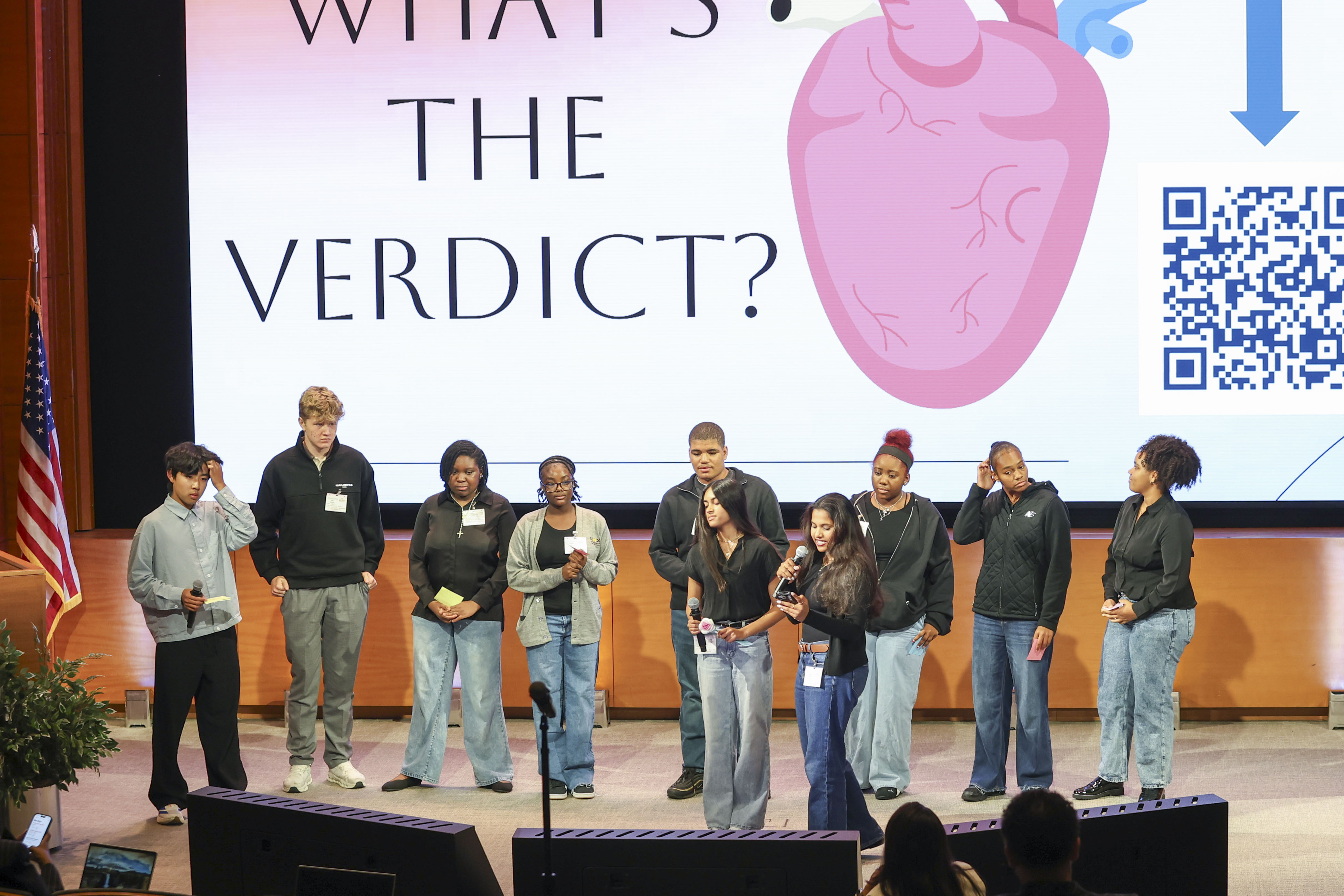
On the second and final day of the event, the student teams gave seven-minute presentations to Novartis executives on their AI-powered solutions for the real-world healthcare challenge they were assigned, including a visual prototype (such as an app mock-up and/or a patient journey map), an impact and implementation plan, patient story, and their vision for healthcare in 2035.
The participants did most of the work, immersing themselves in specific areas of healthcare through hours of research and ideating AI-powered solutions.
Like Higgins, Miras Zharas, a senior who participated in this year’s event, as well as previous ones, credited the program with teaching him new ways to work in medicine.
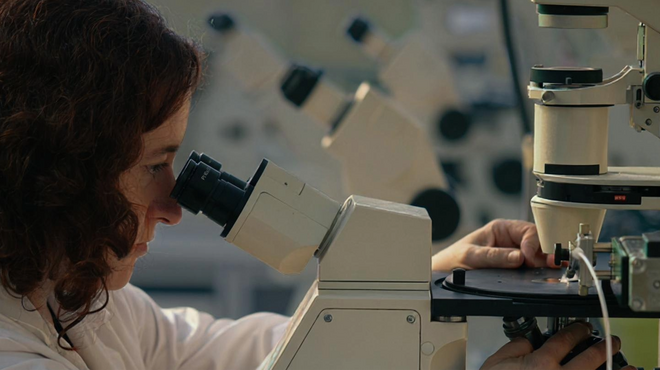
It was an incredible opportunity to talk to an actual scientist working directly on treatments and even see the lab they work in.
–Miras Zharas, a student participant in the Novartis Teen Corporate Mentoring Program
“It was an incredible opportunity to talk to an actual scientist working directly on treatments and even see the lab they work in,” he says.
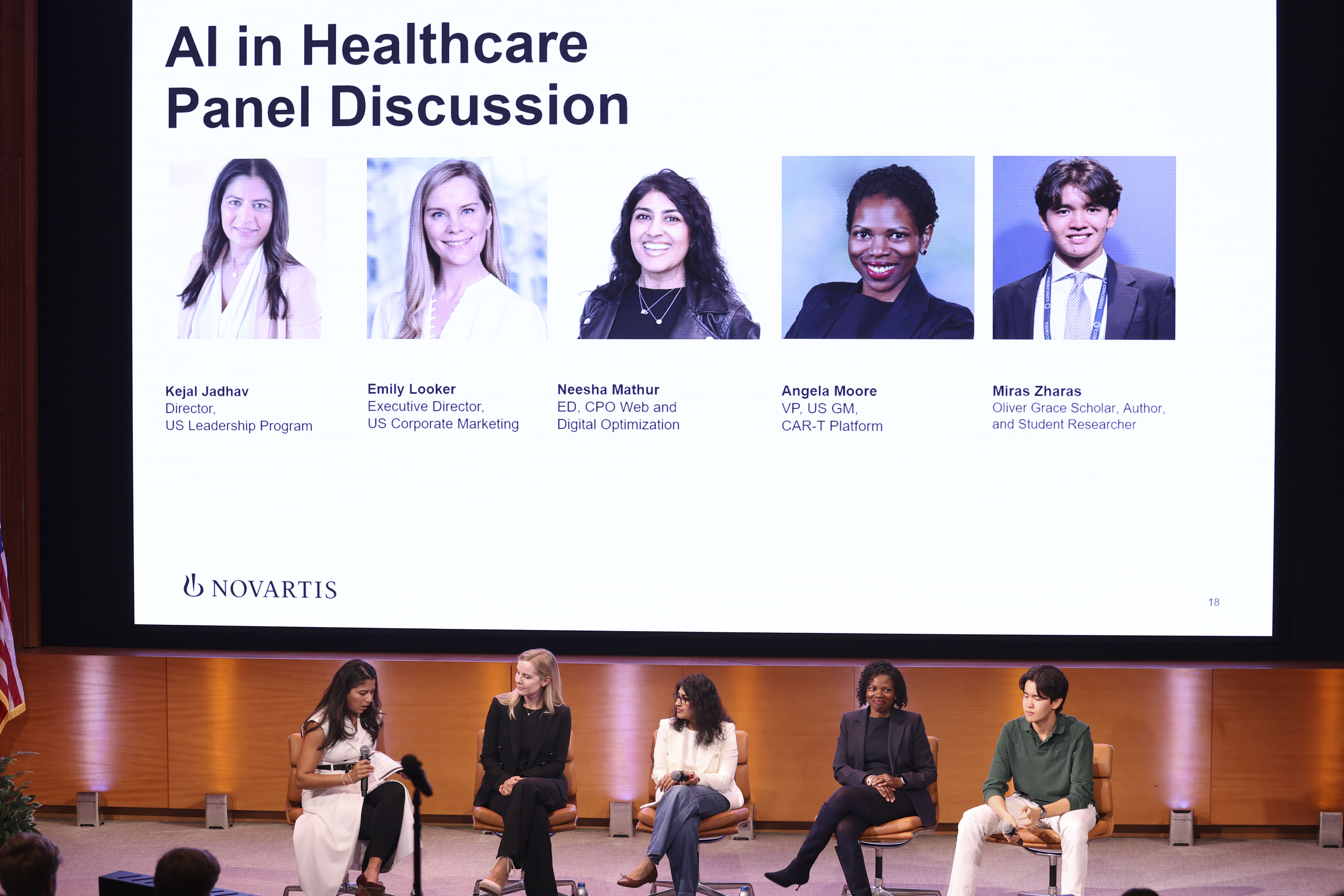
Zharas, who also self-published a book, AI from Scratch: The Foundations of Machine Learning, had the opportunity to take part in the panel discussion “AI in Healthcare” at the event. He, as well as Novartis company leaders in commercial, AI, and corporate affairs explored how AI is impacting the healthcare industry and shaping careers in science, technology, and medicine.
Getting inspired: How an NFL player found his dream career
Participants also enjoyed inspirational encounters throughout the event. New York Giants tight end Chris Manhertz delivered a powerful talk about how determination, adaptability, and hard work can lead to opportunities students may never have imagined.
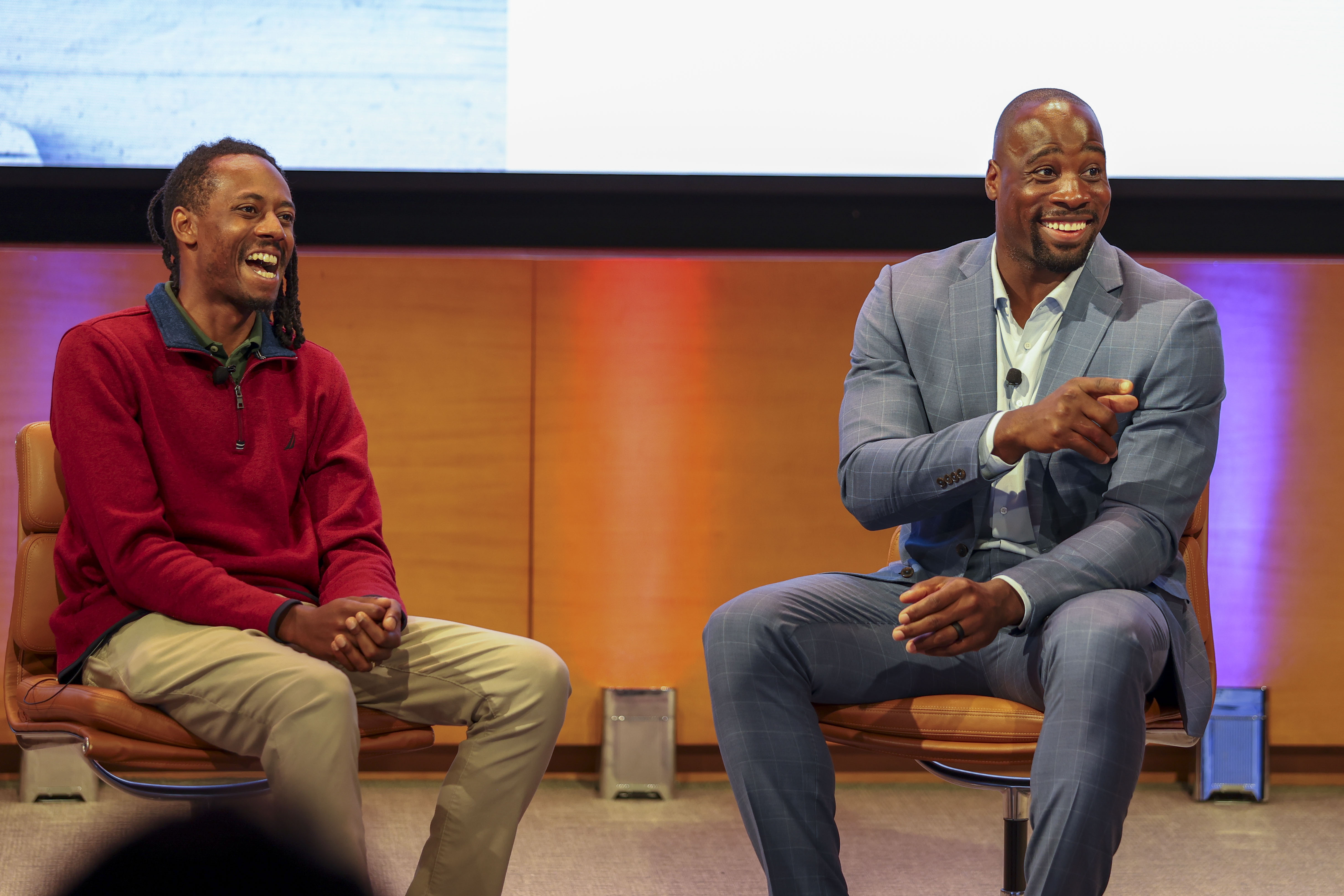
Manhertz, who transitioned from basketball to football after being recruited to the NFL, despite never playing football at the collegiate level, used his own story to offer “a powerful reminder that growth often comes from being willing to step outside your comfort zone, embrace uncertainty, and learn along the way,” explained Jadhav.
“The students were clearly inspired by his perseverance, adaptability, and mindset,” he added.
And that’s exactly what the program is designed to do: Enable students to connect, hear inspiring stories, try on careers they might not have otherwise been aware of—and become the leaders of tomorrow.