Designing for the Future: The Next Era of Biomedical Research in San Diego

Thierry Diagana, California Sites Head at Novartis, shares the vision for a new research hub that will power future drug discovery.

By Veronica Meade-Kelly | Aug 21, 2025

In 1999, as the Human Genome Project kicked off its historic, full-scale effort to sequence a complete human genome, Novartis opened the doors to a groundbreaking research facility in San Diego, California. Having long recognized the transformative potential of drug discovery driven by genetic insights, researchers at the San Diego site focused on advancing genomic science and developing cutting-edge technologies to enable a new generation of precision medicines. 

Read more about the 25+ year legacy of Novartis in San Diego here

Earlier this year, Novartis furthered that legacy of pioneering innovation with the announcement of plans to build a new, state-of-the-art Biomedical Research facility in San Diego as part of a $23 billion investment in its US-based infrastructure. This new research hub will bring together Novartis Biomedical Research teams based on the US West Coast into one centralized location, fostering even greater collaboration and driving the next wave of groundbreaking biomedical discoveries. It will also serve as a bridge between Novartis and the vibrant life sciences ecosystem in California and particularly San Diego, a city recognized as a leading biomedical innovation hub. 

As California Sites Head for Biomedical Research at Novartis, Thierry Diagana is overseeing the development of the new facility. In a recent interview, Thierry shared insights on this bold initiative and what it takes to build a research facility that will power future drug discovery and innovation, and help fuel the development of new medicines for patients. 
What is the vision for designing a Biomedical Research hub that will shape drug discovery for decades to come? 

First, we need to acknowledge the incredible pace of technological and scientific innovation. Over the past few decades, biomedical research has seen transformative disruptions across the entire R&D process from bench to bedside.  

Our number one priority is to build a research facility that is flexible, so it can support drug discovery and innovation well into the future. It’s early days yet, but we want to design it in a way that makes it possible for our teams to stay at the leading edge of scientific and technological breakthroughs. Practically, this means we make sure that lab space is modular, and that we create adjacencies between teams with process dependencies and shared technology platforms.  

Our number one priority is to build a research facility that is flexible, so it can support drug discovery and innovation well into the future. 

Second, drug discovery is the ultimate team sport, so we must create an environment that supports people working together on experiments in the lab and facilitates the continued exchange of ideas and collaboration outside the lab. Whether it’s today or twenty years from now, labs and offices need to offer more than just benches, desks, and screens. Our facility needs to provide state-of-the-art collaborative space and IT infrastructure to support real-time ideation, planning, and execution against a constantly and rapidly evolving scientific landscape.  

Finally, we’re paying close attention to the impact of emerging technologies such as artificial intelligence. Automation and AI will continue to transform the way we work in the drug discovery space in ways that can be difficult to anticipate. But there is a very strong commitment from Novartis to ensure we're staying at the leading edge of technology, a mindset that absolutely needs to be captured in the design of our research sites. 

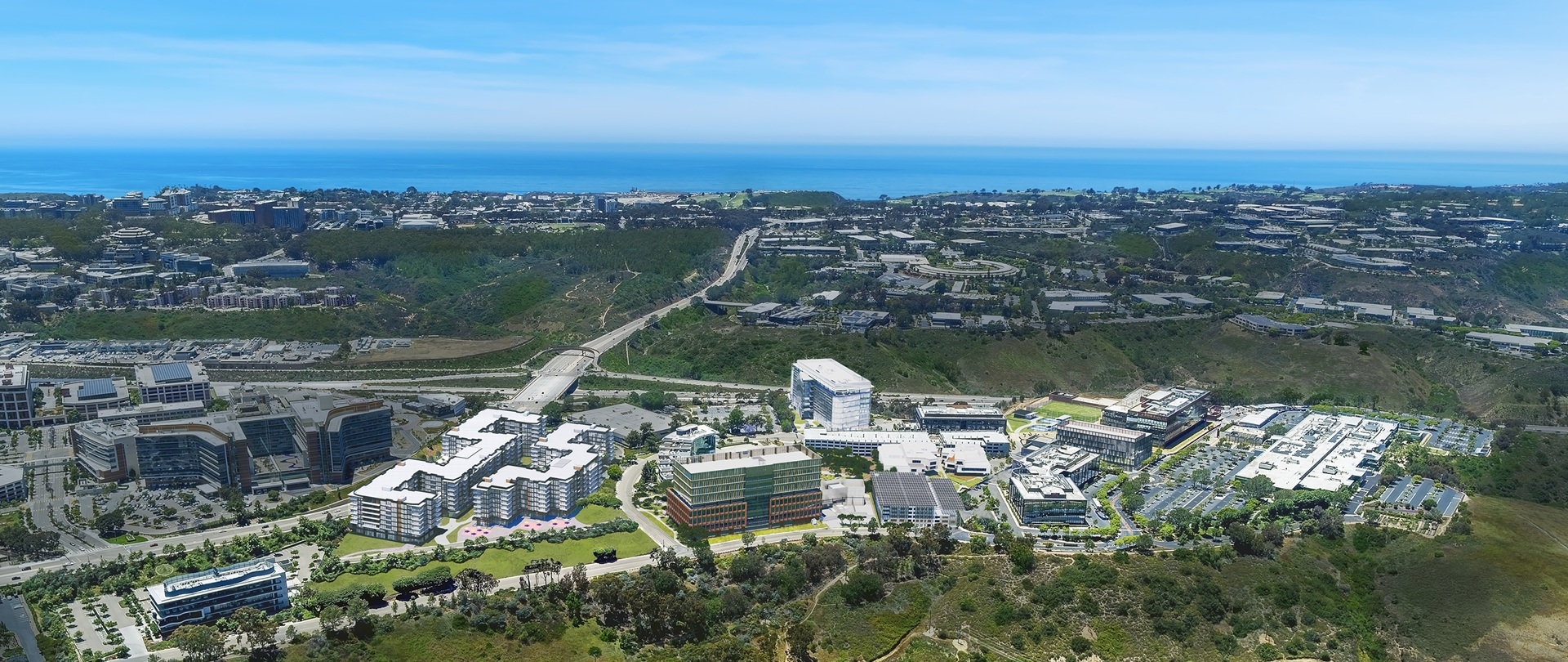
Novartis Biomedical Research Hub San Diego California
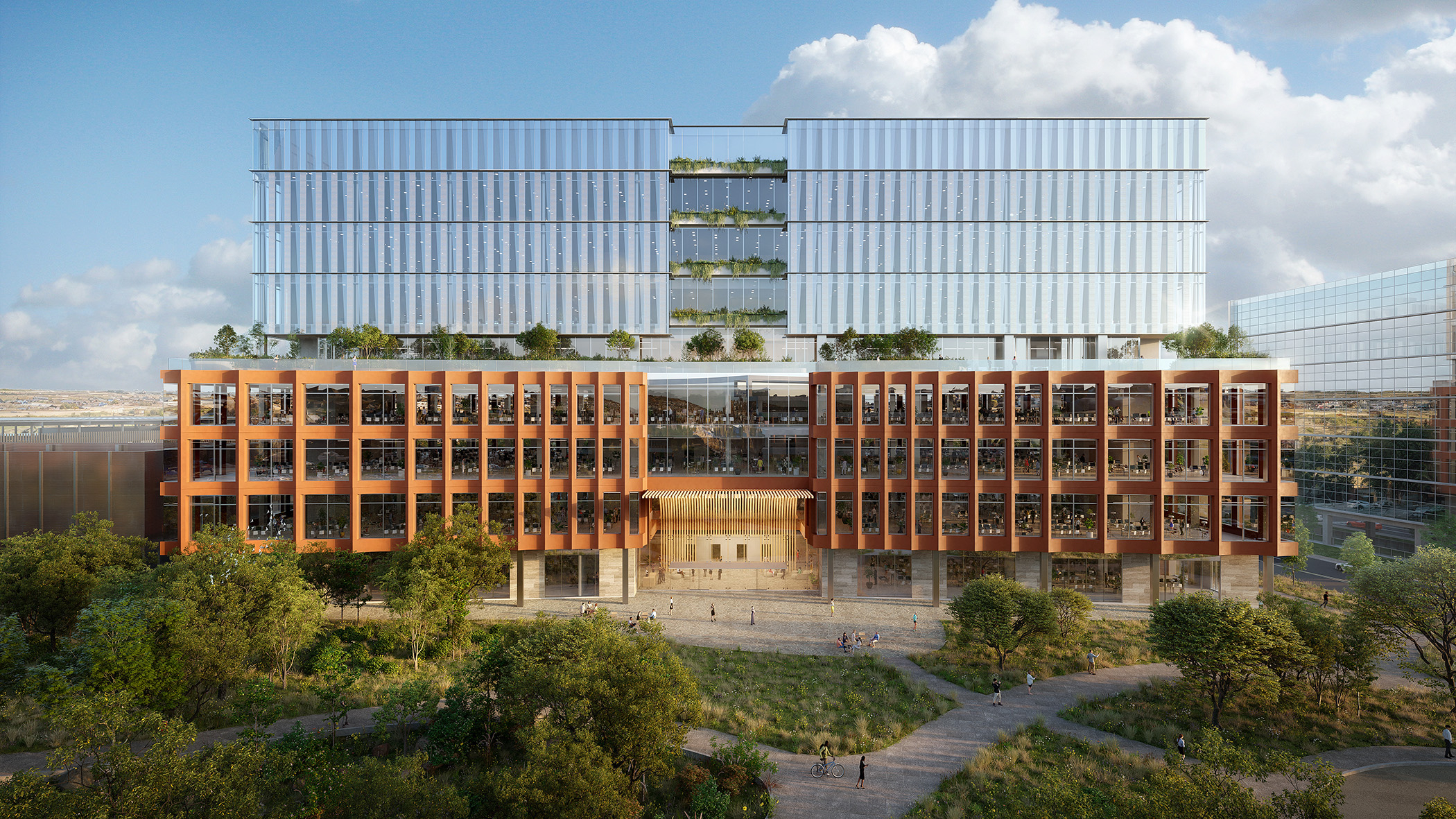
Encompassing over 450,000 sq ft of new laboratory and office space, the new Biomedical Research hub in San Diego will offer advanced scientific infrastructure, drug discovery capabilities, and amenities that will accelerate Novartis scientists’ ability to bring forward next-generation medicines. Rendering: Alexandria Real Estate Equities, Inc. 


Why are we building this facility in San Diego? 

Novartis has a long history of innovation in California dating back decades. In San Diego, we established our footprint in 1999creating a unique research site that leveraged human genome sequencing and -omics technologies to identify novel therapeutic opportunities. In the San Francisco Bay Area, we acquired Emeryville-based Chiron in 2006, which became the home for infectious diseases and oncology research teams.  

Together, our Biomedical Research teams in California have made many significant contributions to the Novartis pipeline in areas like global health, oncology, neuroscience, and immunology. There have also been a number of important acquisitions of biotech companies that had a presence in San Diego, such as AveXis, DTx, Kate Therapeutics, and Regulus Therapeutics, which have made critical contributions to our overall R&D and products portfolio.  

This new facility will allow us to bring all of our innovators together in one site to nurture collaborations and strengthen our commitments to our strategic disease areas and modalities. It also supports our efforts to continue to leverage the strong life sciences innovation ecosystem in San Diego and broader California.

What excites you most about this next phase for the Novartis Biomedical Research team in California? 

I'm excited to bring our California research teams together in one space to enhance local collaboration and strengthen our connection to the broader Biomedical Research ecosystem at Novartis. We’ll get to see the power of what’s possible when we further combine our own California brand of creativity and innovation with a deep connectedness to the global Novartis organization. 

Each and every one of our sites brings unique perspectives. In California, we have a strong “why-not” and “can-do” culture, which are critical mindsets that enable innovative breakthroughs. Not to stereotype, but we also have a more laid-back collaborative culture, inspired by great weather, beaches, beautiful nature, and stunning sunsets, which all of course help with talent attraction and retention. More seriously, it is well recognized that California has an approach to innovation that is in many ways differentiated from other innovation hubs. So, we want to make sure we fully capture California’s unique value proposition for Novartis R&D. 

We’ll get to see the power of what’s possible when we further combine our own California brand of creativity and innovation with a deep connectedness to the global Novartis organization. 

Having a single California hub connected to the broader Novartis Biomedical Research engine will help streamline and strengthen collaborations. For example, it will help provide greater access to technologies, expertise, and scientific knowledge that can only come with the type of scale that a global organization can provide. And I’m excited to work even more closely with our development and commercial colleagues so we can make sure we innovate as seamlessly as possible from the point of early discovery all the way to patients.

Architectural rendering of the new Novartis Biomedical Research facility showing modern glass and terracotta building design with green terraces and pedestrian walkways
The new facility will house all US West Coast-based Novartis Biomedical Research teams in Campus Point, San Diego. Construction is expected to be completed by 2028 or 2029. Rendering courtesy of Alexandria Real Estate Equities, Inc.

What does this mean for our collaborations and partnerships on the US West Coast? 

This site will be a gateway between Novartis and the dynamic California life sciences ecosystem, helping us do even more to enhance innovation through academic and industry collaborations, acquisitions, and other partnerships. California has some of the world’s leading academic institutions, for example, and we’re very excited to strengthen our existing relationships and foster new ones to advance scientific discovery. 

Novartis as a whole has made a commitment to complementing the strengths of our internal research engine with the best available science that exists outside our walls. So, the creation of this hub means that we can keep raising the bar in terms of collaboration in San Diego and across California.

How does this investment align with Novartis R&D priorities? 

Biomedical Research is the growth engine of Novartis. This new hub will add a cylinder to that engine, giving us even more power to leverage the innovative potential of the US West Coast. The commitments we’re making to California, and San Diego in particular, fit neatly with our strategic priority to ensure that we are competitive in places where we can attract and retain the best talent to fuel the pipeline with transformative research, so that we can better address urgent unmet medical needs for patients.  

Biomedical Research is the growth engine of Novartis. This new hub will add a cylinder to that engine, giving us even more power to leverage the innovative potential of the US West Coast. 

You’ve been with Novartis for about 18 years. What changes have you seen in that time? 

Let’s start with what hasn't changed, which is that Novartis is extraordinarily committed to science. We have walked the talk in making significant investments—in technologies to enable scientific innovation and, critically, in the people who make it happen day in and day out in our laboratories. We are committed to hiring and retaining exceptional people, and it is a real privilege to be working with the brightest minds on some of the most challenging biomedical problems.  

What has changed is that our company not too long ago transformed into a pure play innovative medicines company. That's exciting as a scientist, but it’s also pretty intimidating because it means we can't hide. Whether we discover the next breakthrough internally or support the evaluation or integration of an external asset, we are setting the future of the company. So, we will need to not only fuel our internal discovery engine with outstanding first-in-class assets, but also make sure we capture external innovation opportunities which California offers in abundance. The future is bright!