We sat down with Christy Siegel, SVP and Therapeutic Area Head, Immunology, Novartis US, to explore how the immunology landscape is evolving, along with our efforts to shape what’s next for patients with autoimmune and immune-mediated diseases.
What are the most significant challenges in immunology, and how is Novartis looking to address them?

Autoimmune and immune‑mediated diseases are highly prevalent—just in the United States, 20% of the population lives with at least one of these conditions. Yet, many patients still experience delayed diagnosis, misunderstanding, and limited treatment options.
At Novartis, we have been advancing breakthroughs for autoimmune and immune-mediated diseases since the 1980s, and—with Immunology as one of our key therapeutic focus areas—our commitment to innovation in this area is stronger than ever.
Our teams are building on our strong legacy with an industry‑leading pipeline, exploring new platforms and approaches that have the potential not just to manage symptoms, but to fundamentally change how immune-mediated diseases are treated.
Immunology covers so many diseases – is there a particular area of focus for the team?
We’re intentionally prioritizing innovation for diseases with limited or no treatment options. One example is Sjogren’s disease, the second most prevalent rheumatic disease behind rheumatoid arthritis. Despite its prevalence, high burden and significant impact on quality of life, there is not a single FDA-approved treatment available today.
Another disease is chronic spontaneous urticaria, or CSU, where more than 50% of patients don’t get symptom control with antihistamines alone—which means they continue to struggle with unpredictable, itchy hives and swelling, affecting not only their skin, but also their sleep, productivity and relationships. This is an area where for over a decade there was only one approved treatment available to patients and where we are excited to now be offering options to patients.
We are truly on the precipice of change for thousands of people with autoimmune and immune‑mediated diseases.
Christy Siegel, SVP and Therapeutic Area Head, Immunology, Novartis US
What is a surprising statistic in immunology? What does it signal?
Did you know that many autoimmune and immune-mediated diseases—like hidradenitis suppurativa, CSU and Sjogren's disease—disproportionately impact women? This means that around 80% of people with autoimmune diseases are women.
READ: Autoimmune Diseases Disproportionally Impact Women—Here's Why That Matters
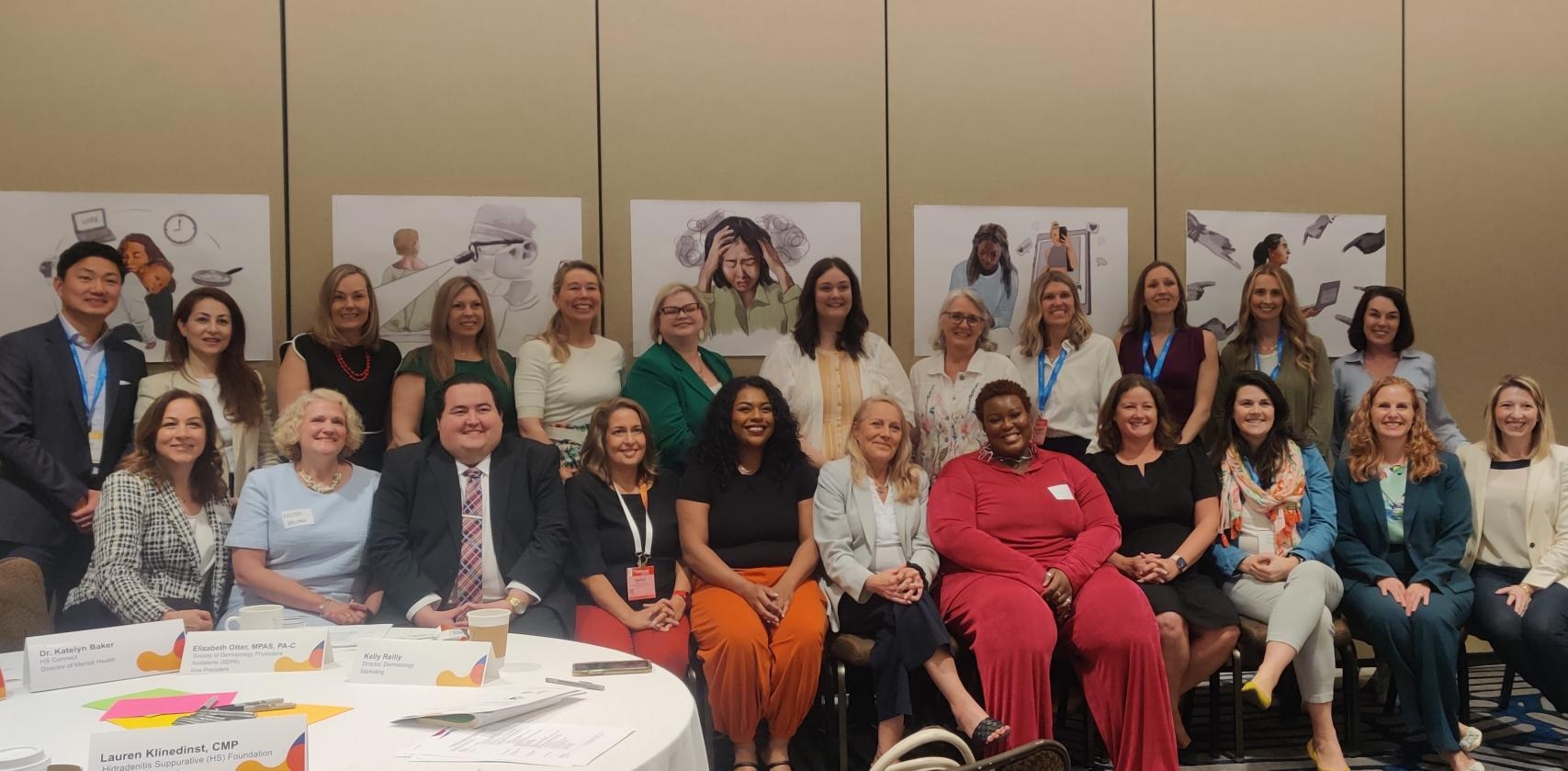
Women have very specific needs, but also too often our symptoms are dismissed or misattributed to other things—for example, menopause—potentially delaying care and compounding the already taxing physical, emotional, and social burden of disease.
This signals that there are opportunities to broaden conversations about women’s health—beyond reproductive issues—and factor in the impact of chronic, autoimmune or immune-related diseases. With this, comes a need to elevate the patient voice—in this case, the female voice—so we can better understand how these diseases truly impact daily life.
At Novartis, we are deliberate about understanding the unique needs of our patients to help inform our research, development, and collaboration across the health care ecosystem involved in their service.
We make significant investments into conducting patient surveys and robust real-world evidence studies to improve our understanding of what living with these diseases is like. We then leverage our findings, in collaboration with advocates, physicians, and other stakeholders to identify solutions to address remaining gaps.
To that point, how are we collaborating with others to bring more innovation for patients?

Autoimmune diseases are incredibly complex, and no single organization can solve them alone. Making meaningful progress requires collaboration across the healthcare ecosystem—from researchers and clinicians to advocacy groups and industry partners.
When it comes to innovation, collaboration is especially vital to advance science around bold new paradigms in care, like CAR-T cell therapy—a complex but established platform, rooted in our pioneering work in Oncology.
With the potential to deliver an immune reset for patients with a one-time treatment, CAR-T cell therapy holds promise in autoimmune diseases; however, making this therapeutic approach applicable in Immunology requires more than breakthrough science—it vitally depends on collaboration at all levels.
READ: The Future of Treating Autoimmune Diseases: Science, Tech, & Patients Driving Progress
Offering CAR-T cell therapy to patients with certain rheumatic diseases will require physicians from many different specialties, such as rheumatologists and hematologist-oncologists, to come together to help a single patient. At Novartis, we see ourselves as a convener, helping bring together the many experts involved to build shared protocols, coordinate treatment approaches, broaden access, and offer a seamless experience—all with the ultimate goal of improving outcomes for patients.
What is the future of immunology? What makes you hopeful?
We are truly on the precipice of change for thousands of people with autoimmune and immune‑mediated diseases.
While there has been tremendous progress over the past few decades in addressing the needs of some of these patients, progress has been slow in some diseases, leaving many patients feeling overlooked. Today, science is finally catching up to the complexity of these conditions, and I’m very excited for the role Novartis is playing to shape what’s next for patients.
This momentum—and the possibility of bringing relief and a renewed sense of hope to patients—fills me and our team with tremendous energy.
What is your personal “why” for working in immunology—and how do you live that out in your work at Novartis?

I am the mom of two kids, and both of them have chronic conditions. I also have a nephew who lives with a severe peanut allergy. I've seen how living with this immune-mediated disease has affected him from when he was a little boy—he was quite underweight because his fear of anaphylaxis deterred him from eating.
This first-hand knowledge of the profound impact autoimmune and immune-mediated diseases have on day-to-day life is at the core of my personal ‘why’. It’s rooted in the fact that every patient is a person trying to live a ‘normal life’—and often behind them is a family navigating the challenges alongside them. In knowing that for people impacted by these diseases, being able to do the ‘ordinary’ things is quite extraordinary.
I am the mom of two kids, and both of them have chronic conditions. The first-hand knowledge of the profound impact autoimmune and immune-mediated diseases have on day-to-day life is at the core of my personal 'why.'
Christy Siegel, SVP and Therapeutic Area Head, Immunology, Novartis US
So, I bring that perspective into my work every day. It drives my expectations of our teams and reinforces our responsibility to focus on bringing relief and hope to those who need it most. At Novartis, that means working with urgency, empathy, and purpose to help ensure our science translates into meaningful impact at scale.
Learn more about our commitment to Immunology: Visit Immunology | Novartis


